
Weight Loss drugs may alter treatment paradigm for chronic disorders, say experts
Team Metabolic Health
Weight-loss drugs, particularly newer options like GLP-1 receptor agonists, are revolutionising the treatment of obesity and metabolic diseases such as diabetes and cardiovascular disorders. Hailed for their efficacy, these drugs are helping patients lose significant weight and offer additional health benefits. Experts see them as game-changers in the way some of the chronic conditions are managed by doctors. Caution is however advised to prevent their misuse and dependency. While the medications could complement lifestyle changes and even eliminate the need of bariatric surgery, accessibility and long-term effects remain concerns. Balancing life-changing innovations with responsible use are the key to maximising their positive impact on health.
Credit: ET World
Medicaid fuels US coverage of Novo, Lilly weight-loss drugs
Team Metabolic Health
U.S. government health plans account for the lion’s share of coverage for popular new weight-loss drugs, far beyond the reimbursement available from private employers and insurers, according to an analysis shared with Reuters.
State Medicaid programs for low-income families are the single biggest source of coverage, giving 31.6 million people access to Novo Nordisk’s (NOVOb.CO), Wegovy or Eli Lilly’s (LLY.N), Zepbound, according to the AXIACI Obesity Coverage Nexus, a database produced by the Leverage consulting firm.
The database tracks the obesity coverage status of about 80% of Americans with health insurance.
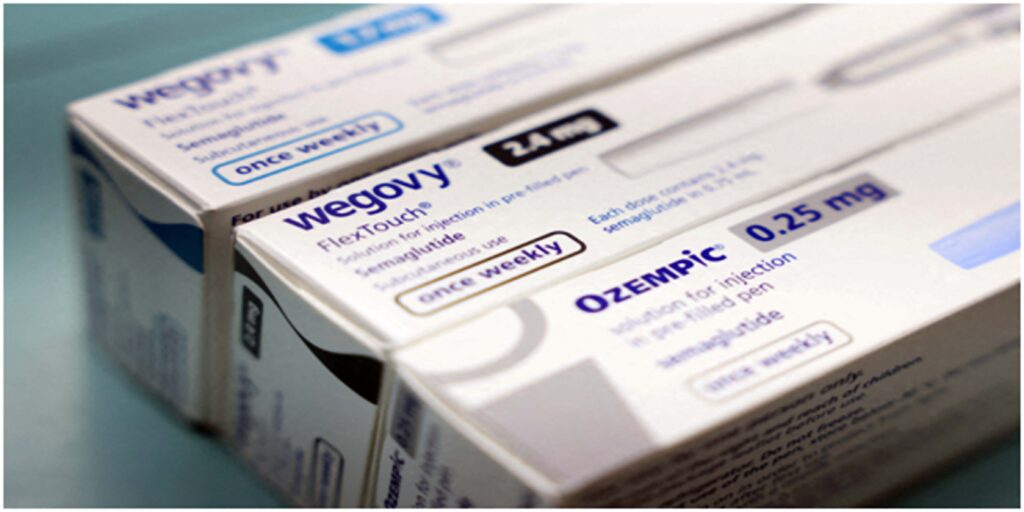
Boxes of Ozempic and Wegovy made by Novo Nordisk are seen at a pharmacy in London, Britain March 8, 2024. REUTERS/Hollie Adams/File Photo
Another 14.6 million federal workers and their dependents have coverage, as do 6 million state and local government employees and their family members, the data show. Combined, that’s 52.2 million Americans with coverage through government-funded health plans.
By contrast, 13.7 million had weight-loss drug coverage in commercial health plans, according to the database. That is likely an undercount because many employers don’t make their health plans public.
Leverage, which said it has no ties to companies selling obesity treatments, estimates there could be as many as 10.7 million additional people with coverage from private employers, based on the trend shown in its database. Taken together, that could be as many as 24.4 million nationwide – still less than half the number covered by government plans.
“It is a striking difference between government and private plans, and it shows there are still quite a lot of employers holding out,” said Kathy Hempstead, a senior policy officer at the Robert Wood Johnson Foundation, which provided funding for the database.
“Health insurance premiums are going up for a lot of reasons so that probably makes it a little harder to pass along another cost” to fund weight-loss treatment, Hempstead said.
The entry of Wegovy and Zepbound, which have been shown to help people lose 15% to 20% of their body weight, is transforming care in the United States, where more than 100 million adults live with obesity.
They both carry list prices of over $1,000 per month, and may need to be taken for life, a cost that has drawn backlash from Congress and the Biden administration.
Credit: Reuters
Lilly’s Zepbound outshines Wegovy in weight loss head-to-head trial
Team Metabolic Health
Wegovy was approved in the US as a treatment for heart disease in March, while Zepbound is expected to be given the green light as a treatment for obstructive sleep apnea.
Pharma major Eli Lilly on Wednesday on announced that patients taking its obesity drug Zepbound lost 47 percent more weight than those who were given Novo Nordisk’s Wegovy in the first large, head-to-head trial of the highly in-demand rival medicines. In the 751-person trial, Zepbound helped patients lose an average of 20.2% of their weight after 72 weeks compared to 13.7% for the group treated with Wegovy, Lilly said in a statement.
“Given the increased interest around obesity medications, we conducted this study to help health care providers and patients make informed decisions about treatment choice,” said Leonard C. Glass, MD, FACE, senior vice president of global medical affairs at Lilly Cardiometabolic Health. “We are thrilled that today’s findings showed the superior weight loss of tirzepatide, which helped patients achieve 47% more relative weight loss compared to semaglutide. Tirzepatide is in a class of its own as the only FDA-approved dual GIP and GLP-1 receptor agonist obesity medication, and it’s changing how millions of people manage this chronic disease.”

U.S. approvals for the medicines was based on separate trials. (Image Credits: Pixabay)
Participants were either obese or overweight and had an additional related health issue such as obstructive sleep apnea or heart disease. None of the trial subjects had diabetes. The data comparing the wildly popular medicines shows for the first time that when trial parameters are exactly the same, Lilly’s drug is more effective for weight loss.
According to the Reuters report, U.S. approvals for the medicines was based on separate trials in which Zepbound helped patients lose more than 22% of their overall weight after 72 weeks, while Wegovy led to a 15% weight loss after 68 weeks.
Doctors had been prescribing these drugs based on whichever was available to patients at the pharmacy given intermittent supply shortages. The most common side effects for both the drugs were related to the gastrointestinal system and were generally mild-to-moderate in severity, Lilly said.
According to Reuters, the results may persuade insurers in the U.S. and cost-conscious health authorities in Europe to give preferential coverage to Zepbound over Wegovy, as health authorities in Britain considered doing earlier this year before approving Lilly’s drug.
According to the company’s statement, Lilly will continue to evaluate the SURMOUNT-5 results, which will be published in a peer-reviewed journal and presented at a medical meeting next year. Tirzepatide is commercialized for adults with obesity or with overweight who also have weight-related medical problems as Zepbound in the U.S. and Mounjaro in some global markets outside the U.S. Tirzepatide is also commercialized as Mounjaro for adults with type 2 diabetes in the U.S.
An analysis of health records and other data published by the medical journal JAMA Internal Medicine earlier this year showed Zepbound led to faster and greater weight loss than Wegovy. U.S.-based Lilly and Danish rival Novo Nordisk have been in a race to get their obesity drugs approved to treat other ailments to help improve acceptance by insurers and governments.
Wegovy was approved in the US as a treatment for heart disease in March, while Zepbound is expected to be given the green light as a treatment for obstructive sleep apnea, as reported by Reuters. Both drugs are sold in the U.S. under different brand names – Novo’s Ozempic and Lilly’s Mounjaro – to treat type 2 diabetes.
Credit: Financial Express
India’s health at a sugar tipping point, 50% see glucose imbalance
Team Metabolic Health
According to a report by diagnostic service provider Thyrocare, 49.43 per cent of the tested population in India exhibited abnormal blood glucose levels
India is witnessing a diabetes epidemic in the making, with multiple research reports indicating a surge in its prevalence across the country.
According to a report by diagnostic service provider Thyrocare, 49.43 per cent of the tested population in India exhibited abnormal blood glucose levels, with 27.18 per cent identified as diabetic and 22.25 per cent as prediabetic.
The study, which analysed HbA1c (glycated haemoglobin) test results from 1.96 million adults undergoing routine health checkups in 2023, follows a similar report published in The Lancet journal, which indicated that a quarter of adults living with diabetes globally in 2022 were in India.
The numbers reflect an increasing prevalence of the disease, as another study by the Indian Council of Medical Research-India Diabetes estimated the prevalence of diabetes and prediabetes in India at 11.4 per cent and 15.3 per cent, respectively.

Photo: Shutterstock
Commenting on the factors behind the rise in diabetes cases, Dr Ashok Kumar Jhingan, senior director at the Centre for Diabetes, Thyroid, Obesity and Endocrinology, BLK-Max Super Speciality Hospital, said that environmental and lifestyle changes resulting from industrialisation and migration to urban environments may largely be responsible for this epidemic in India.
“Obesity, especially central obesity and increased visceral fat due to physical inactivity, along with the consumption of high-calorie, high-fat, and high-sugar diets, are major contributing factors,” he added.
Gender, age-wise diabetes prevalence alarmingly high
The Thyrocare study also highlighted alarming trends in the age and gender disparities in the disease’s incidence. According to the study, males had a higher diabetes prevalence at 30.84 per cent, compared to 23.51 per cent among females in 2023.
This marks a rise from the National Family Health Survey-5 findings for 2019-2021, which reported diabetes prevalence at 16.8 per cent for males and 15.4 per cent for females.
Prediabetes prevalence, however, remains relatively balanced between genders, with males and females at 21.56 per cent and 22.95 per cent, respectively, according to the Thyrocare report.
Data also revealed the highest diabetic burden among people aged 65 and above, with 44.92 per cent of the sample testing positive for diabetes. This group was followed by the 51-65 age group, where 41.85 per cent tested positive for diabetes.
“Worrying trends show an increasing prevalence in the economically active age group of 36-65 years. Young adults between 18 and 35 years also show a higher prevalence of prediabetes than diabetes, indicating a high potential to develop the disease,” the Thyrocare study reported.
Explaining why the economically active age group is increasingly affected, Dr Manisha Arora, director —internal medicine at the CK Birla Hospital, Delhi, noted that a more sedentary lifestyle, reduced physical activity, increased stress levels, and migration to urban areas are all contributing factors.
“Additionally, genetic factors play a major role, as Indians are more prone to insulin resistance, which can manifest earlier when compounded by other risk factors,” she added.
Dr Verma highlighted the need for a comprehensive policy focused on early detection, and promoting diabetes prevention through awareness campaigns, regular screening programmes, and health initiatives.
“Stress management and raising awareness about the potential complications of diabetes, especially since it may not present symptoms in the early stages, are equally crucial,” she added.
Credit: Business Standard
Too busy to stay healthy? Here’s how professionals can master work-life wellness
Team Metabolic Health
From desk to dinner: Here’s the busy professional’s guide on healthy living for the hustlers, with simple tricks to balance nutrition and work stress
In today’s fast-paced world, maintaining good health while managing a busy professional schedule can seem daunting. However, strategic planning and mindful choices can help achieve a harmonious balance.

Crush deadlines and stay fit: The ultimate health hacks for professionals (File Photo)
The secret to thriving at work:
In an interview with HT Lifestyle, Dr Dharmesh Shah, Founder and Director at Holistica World, suggested that creating a structured routine is essential. He shared, “Establishing a daily schedule that includes time for work, exercise, meals and relaxation can help manage time effectively and reduce the stress of last-minute decisions. Delegation and prioritisation are also key strategies. Efficiently managing the workload by delegating tasks when possible and focusing on high-priority responsibilities can prevent feelings of being overwhelmed. Using project management software can assist in tracking tasks and deadlines, allowing professionals to concentrate on their most important responsibilities.” He revealed, “Additionally, staying hydrated is a simple yet effective way to support overall health. Keeping a water bottle at the desk and drinking regularly throughout the day can prevent dehydration, which often leads to fatigue and decreased concentration. Tools like phone reminders or water-tracking apps can help meet the goal of at least eight glasses of water per day. Despite the challenges of a busy professional life, maintaining energy and focus throughout the day heavily relies on proper nutrition, consistent sleep, regular exercise, stress management, and staying hydrated.”
Smart habits every professional needs:
Akshay, Managing Director at Fitclub, emphasised upon the importance of prioritising sleep and said, “Quality rest is non-negotiable for both physical health and mental ability. Professionals should aim for 7-9 hours of sleep each night, establishing a consistent sleep routine.” He added, “Nutrition is another critical aspect that doesn’t have to be time-consuming. Meal preparation on weekends can ensure healthy options are readily available throughout the week. Keeping nutritious snacks like nuts, fruits, and yogurt on hand can help professionals avoid unhealthy choices during busy days. By planning meals and snacks ahead of time, it’s easier to maintain a balanced diet, even with a hectic schedule.”
Exercise is often perceived as time-consuming but it doesn’t have to be. Akshay suggested, “High-intensity interval training (HIIT) offers efficient workouts that can be completed in just 15-20 minutes. Incorporating movement into the daily routine, such as taking the stairs, walking during phone calls, or using a standing desk, can also contribute to overall fitness.”
Asserting that stress management is crucial for professionals who face daily challenges, he advised, “Mindfulness practices like deep breathing, meditation, or simply taking a few moments to clear the mind can significantly reduce stress levels. Starting with just five minutes in the morning or during lunch breaks can make a noticeable difference. Guided meditation apps are a great way to incorporate mindfulness into a busy routine, helping professionals manage stress and maintain focus.”
Disclaimer: This article is for informational purposes only and not a substitute for professional medical advice. Always seek the advice of your doctor with any questions about a medical condition.
Credit: Hindustan Times
Exploring carnivore diet: The zero-carb trend for rapid weight loss
Team Metabolic Health
The carnivore diet, a zero-carb trend, is gaining attention for rapid weight loss. But while it offers short-term benefits, its long-term effects on health and nutrition remain a concern.
Are you following one of the many diets you’ve discovered in your race to lose weight? While intermittent fasting, the Mediterranean diet, veganism, and the keto diet have long taken centerstage, some people are now opting for the carnivore diet.
The carnivore diet includes only meat, fish, and other animal-based foods like eggs and certain dairy products like butter. It excludes all other foods, including fruits, vegetables, legumes, grains, nuts, and seeds. The diet has gained popularity, with several social media influencers claiming it rapidly aids weight loss.
The carnivore diet, a type of ketogenic diet, is sometimes referred to as the “zero-carb” diet. A typical keto diet plan suggests that approximately 70% to 75% of daily calories come from fat, 20% from protein, and no more than 10% from carbohydrates.
Ketogenic diets work like this: they lack sufficient calories from glucose and other sugars. As a result, the body begins to burn fat for energy, producing ketones in the process. These ketones enter the bloodstream, causing the blood’s normal acid-base balance to shift, making it more acidic-a condition known as ketosis.

Carnivore diet includes only meat, fish, and other animal-based foods like eggs and certain dairy products like butter. (Getty Images)
BENEFITS OF CARNIVORE DIET
The carnivore diet can jump-start a weight-loss program. It helps with weight loss as it is high in protein, which provides more satiety and keeps you full for longer.
“It helps with insulin resistance and diabetes, as a high-protein diet helps manage sugar levels better. It also reduces inflammation, especially for those with autoimmune diseases, and improves food sensitivities. It can also help some people with food sensitivities like celiac disease and IBS,” said dietitian Preeti Kakkar, Diabetes Diet Consultant at Dietwise.
The carnivore diet is an all-meat diet which excludes all other foods, including fruits, vegetables, legumes, grains, nuts, and seeds. (Photo: Getty Images)
The carnivore diet provides the necessary nutrients for muscle building and repair. “The carnivore diet is highly restrictive and provides short-term benefits. If followed long-term, it can lead to nutritional deficiencies and health issues,” she added.
RISKS OF CARNIVORE DIET
Certain nutrients, like potassium and magnesium, are found only in plant-based foods. Animal foods lack these nutrients. Plant-based foods are also rich in antioxidants, which play a protective role against cancer and oxidative stress.
The carnivore diet, a type of ketogenic diet, is sometimes referred to as the ‘zero-carb’ diet. (Photo: Pexels)
“The carnivore diet can lead to nutrient and vitamin deficiencies, especially vitamin C, which is primarily found in fruits and vegetables. Constipation is another major issue due to the lack of fruits and vegetables, which provide fiber for digestive health. Fiber is necessary for healthy bowel movements,” said Preeti Kakkar.
Animal fat is mostly saturated fat, which is the unhealthiest type of fat because it raises LDL (bad) cholesterol levels.
According to a Harvard study, the carnivore diet can increase the risk of kidney stones, gout, osteoporosis, heart attacks, and strokes.
“The carnivore diet is highly restrictive, making it difficult to sustain in social gatherings, especially in India, where plant-based foods play a major role in the diet,” Preeti Kakkar added.
Choosing a diet can be difficult and intimidating. One can feel overwhelmed by the time and effort required to prepare diet-based meals, as well as the information shared by social media influencers.
In conclusion, if the carnivore diet is followed long-term, it may lead to nutritional deficiencies and health issues. A balanced diet that includes both plant-based and animal-based foods is generally recommended for sustained health.
Credit: India Today
Big Pharma’s bet on China biotech a rare trade bright spot amid tensions
Team Metabolic Health
Chinese biomedical research is on the cusp of a breakthrough just as the industry starts to face serious headwinds
At a time when geopolitical tensions are hitting industries from semiconductors to electric vehicles, pharmaceutical dealmaking has become a rare bright spot for collaboration between China and the West. Industry watchers are holding their breath to see how the incoming Trump administration changes that.
So far this year, seven major pharma companies have licensed or acquired molecules for new drugs originating from China, spending a total of at least $3.15 billion in upfront cash and equity, according to DealForma. Others are boosting their on-the-ground presence in the hope of finding diamonds in the rough.

Technicians at a research laboratory in Shanghai | Photographer: Qilai Shen/Bloomberg
Every major drugmaker’s head of R&D has been to China at least once in the last year, according to an October report from Stifel Financial Corp.’s investment banking unit. AbbVie Inc. and Bristol-Myers Squibb Co. have hosted dedicated partnering days in Shanghai to meet with local companies, while companies like Roche Holding AG, Bayer AG and Eli Lilly & Co. have opened or will open incubators to build relationships with early-stage startups. At a recent, widely watched trade expo, Pfizer Inc. announced it will invest $1 billion in China over the next five years, in part to work with local companies.
Even as US and European pharma companies decouple other parts of their businesses — moving away from Chinese research and development providers and creating separate production facilities in China, for China — biotech deals are looking too attractive to pass up. “I’ve never seen so many multinationals coming to China searching,” said Darren Ji, the former head of Roche’s partnering activities in Asia and emerging markets. He added that the Shanghai biotech he co-founded and leads, Elpiscience Biopharmaceuticals Ltd., has entertained several multinationals.
China has a long history as an outsourcing hub for foreign pharmaceutical companies and as a producer of “me too” drugs that mimic what’s already on the market. Now, it is becoming a key hunting ground for truly novel therapies, in part thanks to a government initiative that has thrown support behind several cutting-edge industries. China has tripled its contributions to global asset licensing activities over the last six years, growing to 12% of overall deals in 2023-24, McKinsey & Co. wrote in a recent report.
China’s growing prominence as a place to look for first-in-class or best-in-class assets at a reasonable price is causing a fundamental shift in the global dealmaking landscape.
“What you start to see is real innovation,” said Susan Galbraith, who heads up oncology research at AstraZeneca Plc and has been visiting China to hunt for new drugs for two decades. The pace of learning and adaptation in the country is greater than “honestly, I think almost anywhere in the whole world,” she said.
Innovation Hotspot
Scooping up assets from smaller biotech companies is routine for large pharma players. Research units at drugmakers do create their own molecules, but they also turn to other people’s discoveries to fill their pipeline, sometimes buying out those companies altogether. Roche, Merck & Co. and Johnson & Johnson are among the most prolific dealmakers.
The current need to replenish portfolios is particularly stark as Big Pharma stares down patent expirations through 2030 on treatments for cancer, inflammatory disease and other conditions. The so-called patent cliff could jeopardize between $180 billion and $360 billion in annual sales, analysts estimate. Executives at some major drugmakers have placed a bigger emphasis on blockbusters – medicines that could bring in at least $1 billion in annual revenue.
The track record of China’s homegrown therapies on the global stage is limited so far. Only five drugs from China have been approved by the US Food and Drug Administration, three of them in 2023. Among the five, Brukinsa, a treatment for blood cancer, and Carvykti, a cell therapy used to treat multiple myeloma, have beaten competitors in clinical efficacy or sales.
Questions remain as to whether the promising early data seen in Chinese trials of newer drug candidates can be replicated in larger, global trials. And it could be years before these molecules reach the market, if at all.
Yet multinational drugmakers are willing to bet that it is only a matter of time before Chinese science proves its worth.
Roche, which paid $850 million upfront to license a portfolio of potential cancer treatments from Regor Therapeutics Group, is “constantly” monitoring the space, Chief Executive Officer Thomas Schinecker told reporters in October. “We see that in the future there will also be a lot of innovation coming out of China,” he added.
It’s a sea change in a relatively short period, says Tim Opler, a managing director at Stifel.
“Ten years ago, Chinese companies were developing generic knockoffs and there was concern they didn’t even have the right ingredients. You might buy Chinese aspirin and it might not be aspirin,” Opler said. “Fast-forward 10 years, they’re developing really good molecules that are competitive with what the best US biotechs are doing.”
Serious Commitment
Chinese biomedical research is on the cusp of a breakthrough just as the industry starts to face serious headwinds.
Announced in 2015, Beijing’s “Made in China 2025” initiative ushered in regulatory reforms encouraging indigenous drug research, accelerating approvals and realigning domestic rules with global standards. A flood of venture capital money helped spawn biotechs set up by “sea turtles,” a local nickname for Chinese scientists who return to the country after gaining experience overseas at top universities and companies.
But China’s economic slowdown, and the broader pullback of foreign investors, have hit the sector hard. As it has become clear just how low prices have to go to win share in the Chinese market, drug developers have also had to recalibrate sales expectations and thus the valuation of their experimental assets. In combination, these factors have starved young firms of the funding and resources required for the arduous, yearslong journey toward drug approval.
Many startups that might otherwise have raised money through venture financing or public share sale have been forced to rely on deals instead.
If success is measured in terms of blockbuster drugs discovered in China, “we’re not quite there yet,” said AstraZeneca’s Galbraith. “But if your marker is the quality of the science and the innovation of a capability that can lead to a future approved medicine, I think we’re already there.”
Geopolitical Threats
Companies Bloomberg spoke to for this story said trade tensions have not changed their dealmaking plans. However, threats of decoupling that started brewing under President Joe Biden are unlikely to ease under President-elect Donald Trump.
“Anything that’s going toward more geopolitical tension is not good,” Roche’s Schinecker said, noting the potential for supply chain disruption. “And this is not a topic for the pharma industry, it’s a topic for the world as a whole.”
The Biosecure Act, which would block certain Chinese life sciences service providers from accessing federally-funded contracts, is the most aggressive step yet in America’s push to onshore drug manufacturing. It has already passed the House and was widely expected to become law even before the election.
As Trump and his government appointees double down on the hawkish rhetoric, cross-border dealmaking may face heightened scrutiny.
Meanwhile, the recent detention and investigation of AstraZeneca’s China president, while seemingly unrelated to geopolitics, serves a reminder that foreign companies often face unexpected hurdles in China.
“The timing couldn’t be worse” for geopolitical pressure to weigh on the boom in cross-border deals, according to Alex Harding, an entrepreneur-in-residence at US-based Atlas Venture, which builds and funds early-stage biotech startups.
“The flow of Chinese assets into Western companies has only recently begun in earnest, yet it feels like the spigot could be turned off at any time,” Harding wrote recently in Timmerman Report, a biotech publication.
Still, drugmakers see licensing deals — where multinational companies get full control of the assets, complete with intellectual property — as carrying lower risk than doing other types of business with China.
At a biotech conference in Europe in October, one of the big topics of conversation was why companies on the continent were having a hard time licensing their molecules to larger drugmakers.
“There’s competition from great molecules from China,” said Stifel’s Opler. “It’s a big change for our industry.”
Credit: Business Standard
GLP-1 products going off patent in some markets includes popular Type-2 diabetes and weight-loss drug Ozempic
Team Metabolic Health
Drugmaker Lupin aims to be part of the first wave of generic drugmakers to make GLP-1 receptor agonists products, used to treat Type II diabetes and obesity, Lupin top-brass said.
This segment of products includes semaglutide, the internationally popular weight-loss product from Novo Nordisk sold as Ozempic — poised to go off patent protection in some markets in 2026.
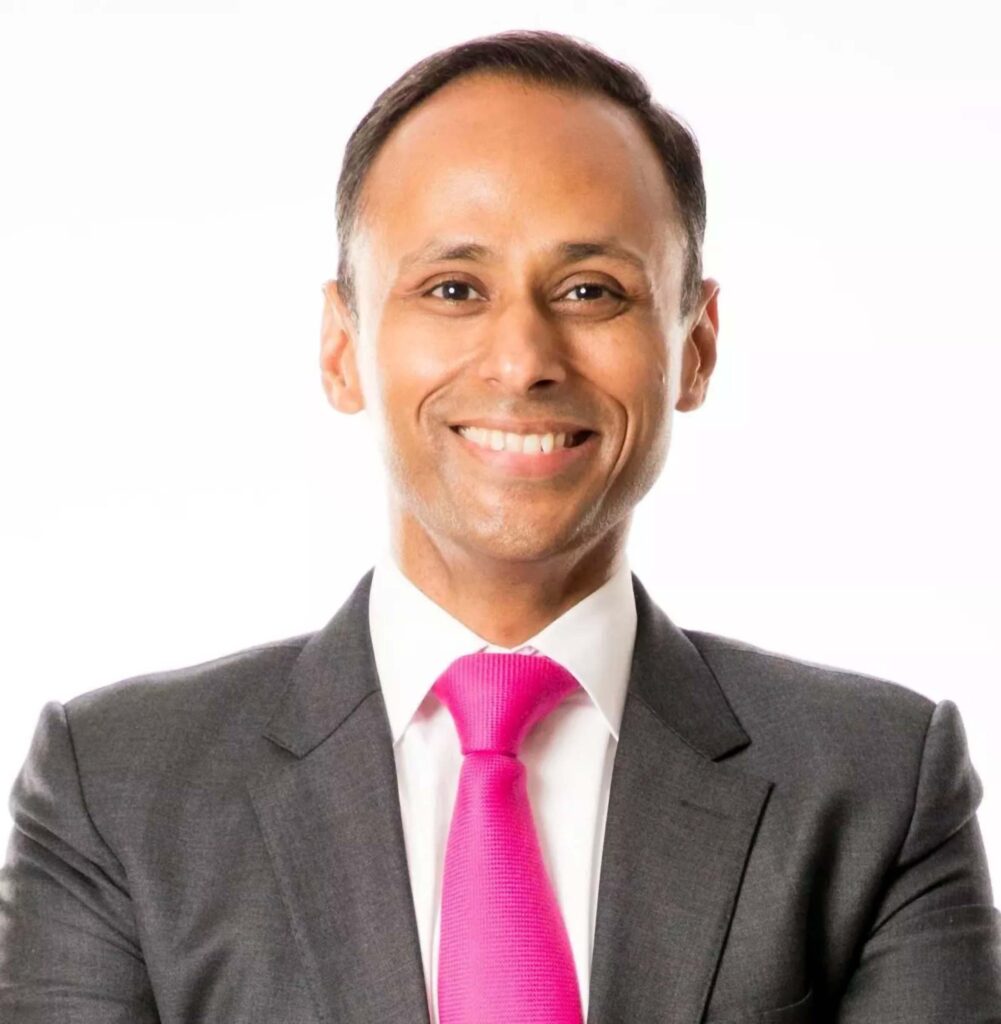
Nilesh Gupta, MD, Lupin
In-house capability
The company aims to be part of the first wave of generics on GLP-1 products and hopes to launch the first of these in 2026, Lupin’s Managing Director Nilesh Gupta told analysts. Lupin’s strategy in India and other emerging markets would be a mix of developing the product internally and licensing it, as the case may be, he said. The company has in-house capabilities to develop and manufacture the product, Nilesh said, adding that a clear strategy would play out next year.
The regions open for GLP-1 launches, following patent expiry, included India, South Africa, Latin America, Philippines and parts of Eastern Europe , said Vinita Gupta, Lupin Chief Executive Officer.
Several generic drugmakers including India’s Cipla, Dr Reddy’s Laboratories, Wockhardt, Mankind Pharma etc, are looking at the diabetes, obesity and weightloss category, including the spate of GLP-1 products going off patent. Novo Nordisk’s oral version of semaglutide is available in India. It’s injectible version available internationally saw demand surge, as celebrities endorsed the weight-loss benefits of the product, among other things, putting enormous pressure on its supplies.
Cipla’s Managing Director and Global CEO Umang Vohra had said earlier this year, that obesity and weight-loss were a focus area, and they were open to partner with Eli Lilly makers of Mounjaro (tirzepatide), in the same category. Lilly has stated its intent to bring its product into India, possibly by 2025, according to reports.
More recently, Vohra also hoped to be among “the first wave” of companies bringing the product to India. “In-licensing is always an option for us in deepening our partnership with large multinational corporations that sell categories of GLP-1 drugs,” he said. Dr Reddy’s management too expressed plans for the segment, just days ago.
Credit: The Hindu Businessline
New health care policy changes will soon affect weight-loss drugs
Team Metabolic Health
The weight-loss industry may become more accessible to the average American.
Medications that lower blood sugar levels to promote weight loss have become increasingly popular over the past few years. Typically used for treating diabetes, GLP-1s have become an increasingly mainstream option for weight loss and treating obesity.
The skyrocketing demand for popular GLP-1s like Ozempic, Wegovy, and Mounjaro has created product shortages, which is particularly worrisome for patients managing their diabetes.
Novo Nordisk (NVO) and Eli Lilly (LLY) manufacture the top three weight loss drugs on the market, but heightened demand is promoting innovation within the field and allowing cheaper competitor products to emerge.
The GLP-1s are expensive and aren’t covered by insurance, forcing consumers to pay for mainstream name brands out of pocket.
Contrave is a weight loss drug that is far cheaper and easier for consumers to administer. The GLP-1s can cost $1,000 per month and must be administered via injection. Contrave can be taken orally and averages $99 per month, making the product far more accessible.
We spoke with George Hampton, CEO of Currax Pharmaceuticals, about the company’s weight-loss drug Contrave. He notes the policy challenges facing the weight-loss drug industry and what to expect down the road.
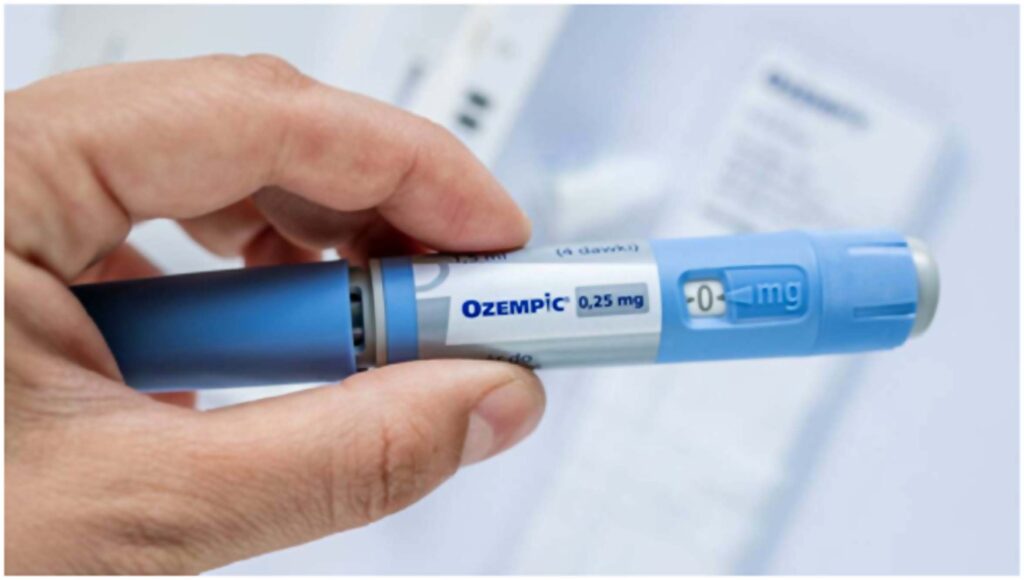
An Ozempic injection device is held. Credit: Shutterstock
Weight loss drugs may soon be covered by health insurance companies
The amount of Americans who are prescribed semaglutide medications tripled between 2019 and 2021. Novo Nordisk, the manufacturer of Ozmepic and Wegovy, saw combined GLP-1 sales of over $21 billion in 2023, accounting for two-thirds of the company’s total annual revenue.
Hampton discusses why weight loss and anti-obesity drugs haven’t been covered by insurance in the past and why change may be on the horizon.
“I spend a lot of time in Washington D.C., and we’re working on a bill that we call the Treat and Reduce Obesity Act (TROA),” he said. “It has incredible promise to provide health coverage for these drugs, and it could even be passed this year.”
“We have a lot of support from senators and representatives. It just comes down to being able to pay for it in the budget,” he added.
“The biggest roadblock is the budget — how much it will cost to cover obesity,” he continued. “The Congressional Budget Office has recently released its estimate of what it will cost the country to pay for that, and it was much lower than what people were estimating.”
“So we’re very encouraged that this could happen, even before the end of the year.”
Hampton explains why getting government health insurance plans to start covering GLP-1s is the key to getting private insurers on board.
“When the federal government starts paying for something, the commercial plans often feel compelled to do the same, but it’s not 100% guaranteed,” he explained. “So we have to think of it like smoking cessation.”
“Back in 2010 — under the ACA — the smoking group was finally able to be paid for by the government, and the commercial payers followed right along. We think the same thing will happen here with weight loss.”
Treating health issues now will reduce costs in the long run
Obesity costs the US healthcare system $173 billion a year, and that figure will continue to rise over time if preventative steps are not taken to address the issue head-on.
Although covering weight loss drugs may be costly for insurance companies in the short term, reducing heart disease, diabetes, and arthritis in the long term may greatly pay off.
Credit: thestreet.com
1/3rd Indians with obesity fail to recognise their condition, Novo Nordisk study reveals
Team Metabolic Health
The study highlights a significant disconnect between awareness, understanding and management of obesity, underscoring the need for an integrated, long-term approach to treatment
A recent study conducted by Novo Nordisk, involving over 2,000 people living with obesity (PwO) and 300 healthcare professionals (HCPs), has revealed critical insights into the challenges faced by PwO in India. The study highlights a significant disconnect between awareness, understanding and management of obesity, underscoring the need for an integrated, long-term approach to treatment.
The survey found that one-third of PwO in India do not recognise the severity of their condition, often believing they are merely overweight or even of normal weight. This denial of obesity reflects widespread misconceptions and a lack of awareness on its implications, which contributes to delayed treatment and worse health outcomes.
Dr Maya Sharma, Vice President Clinical, Medical, Regulatory, Novo Nordisk India, emphasised the importance of addressing this issue, stating, “The first step towards obesity management is to understand that it is a chronic disease. We need to support PwO with tools that not only help them lose weight but also maintain that loss over time.”
PwO face immense difficulties in maintaining weight loss. Over half of those surveyed report reverting to old eating habits despite their efforts to change. Alarmingly, 44 per cent regain lost weight within six months, emphasising the need for more sustainable, long-term solutions that go beyond just lifestyle adjustments.
The study highlights the growing need for a comprehensive approach to obesity management in India. Dr AG Unnikrishnan, MD at The Chellaram Diabetes Institute, Pune, India, supports this, noting, “A successful obesity management strategy must combine lifestyle changes, behavioural interventions, medication, and surgery where necessary. Only through such integration can PwO achieve their weight loss goals and maintain long-term health improvements.”
Another striking finding is the widespread belief in “healthy obesity,” often viewed as a sign of prosperity. Dr Muffazal Lakdawala, MS, Sir H.N. Reliance Foundation Hospital, Mumbai, warned, “There is no such thing as ‘healthy obesity.’ Even in the early stages, when there are no visible complications, the risks to long-term health are very real. This myth must be dispelled.”
The survey revealed that obesity is closely linked to other chronic diseases. Two in five PwO suffer from conditions such as hypertension, high cholesterol and diabetes. HCPs report that many PwO have anywhere between 1 and 4 comorbidities, such as high blood pressure (32 per cent), high cholesterol (27 per cent), eating disorder (23 per cent) and cardiovascular diseases (19 per cent); reinforcing that obesity is a chronic disease requiring medical intervention.
PwO face significant barriers in their weight loss journeys. Lack of motivation, fear of failure, unhealthy eating habits and a lack of exercise were cited as the most common obstacles. HCPs, however, are in a position to help set realistic goals, with Dr Rishma Pai, MD at Lilavati and Hinduja Hospitals, Mumbai, explaining, “Even a 5 per cent weight loss can bring significant health benefits, and it’s important that PwO understand that small, sustainable changes are key. We as healthcare professionals have to overcome any inhibitions in discussing the condition with our patients on a regular basis and support them in their weight-loss journeys.”
More than 70 per cent of PwO recognise obesity as a chronic disease, yet many still feel it is their sole responsibility to manage their weight. This contrasts with how other chronic diseases, like diabetes or hypertension, are perceived, where medical intervention is commonly accepted. Encouragingly, four in five HCPs are comfortable discussing weight with their patients, and among PwO who have had these discussions, the majority report positive experiences.
Despite the availability of prescription weight-loss medications, PwO remain hesitant. Only one in seven PwO believe such medications would be helpful, with concerns about side effects and safety being the primary deterrents.
As a conclusion, Vikrant Shrotriya, Corporate Vice President, Novo Nordisk India said, “Recent research has shed light on the perceptions and challenges faced by people living with obesity (PwO) in India. Despite the growing awareness, there are still significant misconceptions and hurdles that need to be addressed. Hence, involvement by the government is crucial in addressing the growing obesity challenge in India. Obesity is not just an individual issue but a significant public health concern that impacts healthcare resources, economic productivity, and the overall well-being of our society. A multifaceted approach that includes policy interventions, awareness programs, and accessible healthcare solutions is essential to address this complex issue effectively.”
This underscores the need for greater awareness and understanding of obesity as a chronic disease. Addressing the misconceptions, providing PwO with sustained support, and integrating medical, behavioural, and lifestyle interventions are crucial for effective weight management. Continued research is essential to develop and refine these strategies, ensuring that individuals with obesity receive the long-term care and support they need for better health outcomes.
Credit: expresshealthcare.in
Hitting gym to lose weight? Science says exercise alone might not be enough. Here’s what you need to know
Team Metabolic Health
Exercising to lose weight? Research shows it’s not as effective as you think. Find out why relying on workouts alone may not help you shed those extra pounds. If you’re hitting the gym thinking it’s the ultimate solution for weight loss, it might be time to reconsider your approach. While exercise is undoubtedly important for overall health and fitness, research shows that relying solely on it to shed pounds might not be as effective as you think. A recent study on the Hadza tribe challenges popular belief, offering fresh insights for those looking to lose weight.

Study finds active lifestyles don’t burn significantly more calories than sedentary ones. (Freepik)
Calorie burn in active vs sedentary lifestyles
When Herman Pontzer began researching the metabolism of the Hadza, a modern hunter-gatherer tribe in Tanzania, he expected their calorie burn to be through the roof. With their constant activity like walking, jogging, lifting, and carrying throughout the day, he thought they’d burn far more calories than a sedentary office worker.

A study on the Hadza tribe revealed they burn similar calories as sedentary office workers. (Unsplash)

Exercise alone may not be the most effective strategy for weight loss. (Freepik)
This theory suggests that our bodies and brains can adjust the number of calories we burn by slowing down or even shutting down certain biological functions when we’re more active, ultimately keeping our total calorie burn within a narrow range.
“We’ve studied people who are extremely active,” including marathon runners crossing the U.S., Pontzer explained, “and those who are very sedentary, and it turns out they burn about the same number of calories.” This insight helps explain why many people don’t lose significant weight from exercise alone, even though it improves their health.
Disclaimer: This article is for informational purposes only and not a substitute for professional medical advice. Always seek the advice of your doctor with any questions about a medical condition.
Credit: Hindustan Times
If AI can provide a better diagnosis than a doctor, what’s the prognosis for medics?
Team Metabolic Health
Studies in which ChatGPT outperformed scientists and GPs raise troubling questions for the future of professional work
AI means too many (different) things to too many people. We need better ways of talking – and thinking – about it. Cue, Drew Breunig, a gifted geek and cultural anthropologist, who has come up with a neat categorisation of the technology into three use cases: gods, interns and cogs.
“Gods”, in this sense, would be “super-intelligent, artificial entities that do things autonomously”. In other words, the AGI (artificial general intelligence) that OpenAI’s Sam Altman and his crowd are trying to build (at unconscionable expense), while at the same time warning that it could be an existential threat to humanity. AI gods are, Breunig says, the “human replacement use cases”. They require gigantic models and stupendous amounts of “compute”, water and electricity (not to mention the associated CO2 emissions).

A US clinical trial examined whether ChatGPT could improve the diagnostic capabilities of 50 practising physicians. Photograph: Cherdchai Chawienghong/Getty Images
“Interns” are “supervised co-pilots that collaborate with experts, focusing on grunt work”. In other words, things such as ChatGPT, Claude, Llama and similar large language models (LLMs). Their defining quality is that they are meant to be used and supervised by experts. They have a high tolerance for errors because the experts they are assisting are checking their output, preventing embarrassing mistakes from going further. They do the boring work: remembering documentation and navigating references, filling in the details after the broad strokes are defined, assisting with idea generation by acting as a dynamic sounding board and much more.
Finally, “cogs” are lowly machines that are optimised to perform a single task extremely well, usually as part of a pipeline or interface.
Interns are mostly what we have now; they represent AI as a technology that augments human capabilities and are already in widespread use in many industries and occupations. In that sense, they are the first generation of quasi-intelligent machines with which humans have had close cognitive interactions in work settings, and we’re beginning to learn interesting things about how well those human-machine partnerships work.
One area in which there are extravagant hopes for AI is healthcare. And with good reason. In 2018, for example, a collaboration between AI researchers at DeepMind and Moorfields eye hospital in London significantly speeded up the analysis of retinal scans to detect the symptoms of patients who needed urgent treatment. But in a way, though technically difficult, that was a no-brainer: machines can “read” scans incredibly quickly and pick out ones that need specialist diagnosis and treatment.
But what about the diagnostic process itself, though? Cue an intriguing US study published in October in the Journal of the American Medical Association, which reported a randomised clinical trial on whether ChatGPT could improve the diagnostic capabilities of 50 practising physicians. The ho-hum conclusion was that “the availability of an LLM to physicians as a diagnostic aid did not significantly improve clinical reasoning compared with conventional resources”. But there was a surprising kicker: ChatGPT on its own demonstrated higher performance than both physician groups (those with and without access to the machine).
Or, as the New York Times summarised it, “doctors who were given ChatGPT-4 along with conventional resources did only slightly better than doctors who did not have access to the bot. And, to the researchers’ surprise, ChatGPT alone outperformed the doctors.”
More interesting, though, were two other revelations: the experiment demonstrated doctors’ sometimes unwavering belief in a diagnosis they had made, even when ChatGPT suggested a better one; and it also suggested that at least some of the physicians didn’t really know how best to exploit the tool’s capabilities. Which in turn revealed what AI advocates such as Ethan Mollick have been saying for aeons: that effective “prompt engineering” – knowing what to ask an LLM to get the most out of it – is a subtle and poorly understood art.
Equally interesting is the effect that collaborating with an AI has on the humans involved in the partnership. Over at MIT, a researcher ran an experiment to see how well material scientists could do their job if they could use AI in their research.
The answer was that AI assistance really seems to work, as measured by the discovery of 44% more materials and a 39% increase in patent filings. This was accomplished by the AI doing more than half of the “idea generation” tasks, leaving the researchers to the business of evaluating model-produced candidate materials. So the AI did most of the “thinking”, while they were relegated to the more mundane chore of evaluating the practical feasibility of the ideas. And the result: the researchers experienced a sharp reduction in job satisfaction!
Credit: The Guardian
Yoga for immunity: How to prepare the body for winter wellness | All Things Wellness with Anshuka Parwani
Team Metabolic Health
Practising yoga for immunity is important during winter! Yoga and holistic wellness expert Anshuka Parwani shares its benefits and the poses you can try.
As the winter season approaches, our bodies undergo a natural shift. Colder temperatures and shorter days can challenge our immune systems, often leaving us more vulnerable to colds, fatigue, and seasonal blues. While we may instinctively turn to warmer clothes and hot drinks, there’s something powerful we often overlook: yoga. This ancient practice, combined with Ayurvedic principles, offers a holistic way to fortify our immunity, keeping us energised and resilient through the winter months. What if the key to winter wellness lay in aligning with our body’s rhythms through mindful movement, breathing, and a few herbs? Here’s how you can use yoga to boost your immunity and stay well this winter.

Image courtesy: Adobe Stock
Yoga isn’t just about flexibility or strength. It is deeply intertwined with our immune health, acting as a preventative shield by reducing stress, improving circulation, and enhancing lung function. When we practice yoga, we activate the parasympathetic nervous system, also known as the “rest and digest” response. This calms the body, lowers stress hormones like cortisol, and allows our immune system to work at its best.
Studies have shown that chronic stress can weaken immune responses, making us more susceptible to illness. Yoga helps by calming the mind, bringing us into the present moment, and ultimately improving our physical and mental resilience. A well-rounded yoga practice, combined with breathing exercises and meditation, helps balance the body and primes it for the challenges of winter.
Breathing practices to support immunity
Winter’s cold air and lower humidity can affect our respiratory health. Breathing practices (pranayama) can be invaluable tools to keep our lungs clear, improve oxygen intake, and support immunity. Here are three key breathing techniques:
1. Kapalabhati (Skull Shining Breath)
This breathing exercise is a natural detoxifier. With quick, forceful exhalations and passive inhalations, Kapalabhati energizes the body and clears nasal passages. It’s a fantastic way to warm up in winter while also building lung strength.
2. Surya Bhedana (Right Nostril Breathing)
This pranayama is especially useful in winter, as it generates internal warmth and boosts energy. Surya Bhedana, or right nostril breathing, activates the body’s heating energy, promoting vitality and improving circulation. To practice, close the left nostril and inhale deeply through the right nostril, then exhale slowly through the left. Repeat for 5–10 rounds, especially in the mornings, to feel energized and balanced.
3. Bhastrika (Bellows Breath)
Bhastrika invigorates and warms the body by mimicking the act of bellows stoking a fire. Practising it for a few minutes daily can be a powerful way to kickstart your immune system, especially on cold mornings.
Yoga poses to strengthen immunity
Specific yoga poses support immunity by stimulating blood flow, opening the lungs, and gently massaging the internal organs. Here are a few key poses that are particularly beneficial in winter:
1. Twists
Twisting poses, such as Bharadvajasana (Seated Twist) and Ardha Matsyendrasana (Half Lord of the Fishes Pose), work wonders for detoxification. Twisting compresses and releases the digestive organs, which helps eliminate toxins and improve digestion—a key factor in immunity according to Ayurveda.
2. Backbends
Backbends such as Bhujangasana (Cobra Pose) and Setu Bandhasana (Bridge Pose) stimulate the thymus gland, which is responsible for producing T-cells, the immune system’s frontline defence against pathogens.
3. Inversions
Poses like Viparita Karani (Legs-Up-the-Wall Pose) encourage lymphatic drainage, helping flush out toxins and keeping the body’s internal environment balanced. This is a gentle inversion that can be done at any age, promoting circulation and relaxing the mind.
Role of Ayurveda in winter wellness
Ayurveda, yoga’s sister science, complements these practices beautifully, offering dietary and herbal tips to keep immunity strong. In winter, Ayurveda encourages us to balance Vata, the dosha (or bio-energy) associated with cold, dryness, and wind. When Vata is high, we may experience dry skin, achy joints, and even increased anxiety. Here’s how to balance it.
1. Warming foods and spices
Focus on cooked, warm, and nourishing foods. Include spices like ginger, turmeric, black pepper, and cinnamon, which have warming properties and help stimulate digestion. Turmeric, in particular, is known for its anti-inflammatory and immune-boosting properties. A cup of turmeric milk, or golden milk, before bed, can be especially helpful.
2. Herbal allies
Certain Ayurvedic herbs are renowned for their immune-supportive properties. Ashwagandha, a powerful adaptogen, helps the body handle stress while boosting immunity. Tulsi (Holy Basil) is another potent herb with antimicrobial properties, often used in teas for respiratory health. A warm, soothing tea with Tulsi, ginger, and honey is an excellent way to start your morning.
3. Oil massage (Abhyanga)
Ayurveda recommends daily oil massage with warm sesame oil in winter. This practice not only moisturizes the skin but also grounds Vata and improves circulation, keeping the body warm and nourished. Plus, the massage itself is a form of self-care that calms the mind and reduces stress.
4. Meditation and mindfulness for inner strength
Winter can often bring with it a sense of sluggishness or even seasonal sadness, affecting not only our mood but also our immunity. Meditation and mindfulness practices can help combat this by enhancing mental resilience and grounding the mind.
A simple gratitude meditation—where you focus on what you’re thankful for each day—can work wonders. Studies show that gratitude increases feelings of positivity and reduces stress, which, in turn, supports a healthier immune system. Try setting aside just five minutes in the morning to breathe deeply, visualize yourself in good health, and mentally express gratitude for all the small joys in life.
Yoga for immunity: Winter routine you should follow
To help integrate these practices into your routine, here’s a simple sequence you can follow to build immunity this winter:
Warm-Up: Start with Kapalabhati pranayama for 1-2 minutes.
Twists: Move into Bharadvajasana or Ardha Matsyendrasana, holding each side for 5-8 breaths. Backbend: Follow up with Bhujangasana (Cobra Pose) for 5 breaths, repeating twice.
Inversion: End with Viparita Karani (Legs-Up-the-Wall Pose) for 5-10 minutes.
Breathwork Close: Practice 5–10 rounds of Surya Bhedana pranayama, and then finish with Nadi Shodhana.
Meditation: Set aside a few minutes for gratitude meditation
Embrace winter wellness with yoga
As we settle into the colder months, yoga and Ayurveda provide us with a toolkit to embrace winter wellness mindfully and holistically. By incorporating breathwork, immune-boosting poses, warming Ayurvedic practices, and meditation, we can prepare our bodies and minds for the season. Instead of viewing winter as a time of hibernation, let’s approach it as an opportunity to strengthen our resilience, stay active, and nurture ourselves from within.
With these mindful practices, we can carry the warmth of wellness into every chilly day.
(Anshuka Parwani is a Wellness Columnist for Health Shots. She writes an exclusive monthly column for the women’s health platform. A leading celebrity yoga and holistic wellness expert in India, Anshuka trains celebrities such as Kareena Kapoor Khan, Deepika Padukone and Alia Bhatt. A former pilot, she is the force behind Mumbai-based yoga studio Anshuka Yoga.)
Credit: healthshots.com
China-based biotech Laekna teams up with Lilly to develop muscle preserving obesity drug
Team Metabolic Health
Eli Lilly (LLY.N), opens new tab and Hong Kong-listed Laekna (2105.HK), opens new tab will collaborate to develop an experimental obesity drug that aims to help patients lose weight while preserving muscle, the biotech said.

Eli Lilly logo is shown on one of the company’s offices in San Diego, California, U.S., September 17, 2020. REUTERS/Mike Blake/File Photo
WHY IT MATTERS
Lilly is aiming to strengthen its position as a leader in the obesity treatment market, which is expected to hit $150 billion in revenue by the next decade. Last year, the company spent about $2 billion to acquire Versanis’ drug that acts directly on fat cells, without prompting lean mass loss.
Several other drugmakers including Regeneron (REGN.O), opens new tab and Scholar Rock (SRRK.O), opens new tab are testing treatments that could help preserve muscle, which is often lost when patients lose weight through lifestyle changes, bariatric surgery or the use of GLP-1 treatments such as Lilly’s Zepbound and Novo Nordisk’s (NOVOb.CO), opens new tab Wegovy.
CONTEXT
The collaboration will accelerate the development of Laekna’s experimental drug, LAE102, which belongs to a class of drugs that play a key role in muscle regeneration as well as the breakdown and storage of fat for energy.
Lilly will fund the development of the drug and share its resources and expertise, but Laekna will retain the global rights for the drug and plans to advance the early-stage trial of the drug in China.
Laekna said the drug has shown to increase lean mass and decrease fat mass in lab studies. In combination with a GLP-1 treatment, it could further reduce fat mass and help patients significantly regain the lean mass lost during weight loss.
Credit: Reuters
Novo Nordisk launches obesity drug Wegovy in China
Team Metabolic Health
Novo Nordisk (NOVOb.CO), has announced launching its popular obesity drug Wegovy in China, the world’s second-largest pharmaceuticals market where it estimates more than 180 million people live with obesity.
The move intensifies the competition with Eli Lilly (LLY.N), which secured approval for its weight-loss drug in China in July but has yet to launch it.
Both companies are ramping up production efforts to capitalise on a weight-loss market projected by analysts to exceed $150 billion by the beginning of the next decade.
A spokesperson for the Danish drugmaker confirmed the news to Reuters after it was first reported by China-based financial media outlet Yicai.

Boxes of Wegovy made by Novo Nordisk are seen at a pharmacy in London, Britain March 8, 2024. REUTERS/Hollie Adams/File Photo
The price for a month’s supply of the starter dose of Wegovy will be 1,400 yuan ($193.27), Yicai reported. The list price of Wegovy in the U.S. is about $1,349 for a month’s supply.
The Novo spokesperson did not comment on the price.
Novo Nordisk gained approval for Wegovy in China in June, and will initially target Chinese patients willing to pay out-of-pocket for the weekly injectable drug.
Novo launched Wegovy in the U.S. in 2021. Strong sales there and in the 15 other countries where Wegovy has since launched, have propelled Novo’s shares to record highs. The company has a market capitalisation of about $449 billion.
Wegovy will not be reimbursed by China’s national healthcare insurance, which provides basic coverage for most of the country’s 1.4 billion people. Novo is looking for ways to make the medicine more affordable, such as through commercial insurance, an executive was quoted as saying in the Yicai report.
The company is launching a “digital patient service platform” for patients taking the medicine, it said on its WeChat account.
Credit: Reuters