
How Wegovy Works In Weight Management: Explaining GLP-1 Receptor Agonists and Their Role In Weight Loss
Team Metabolic Health
Wegovy is a weight loss medication that contains semaglutide, a medication that belongs to a group called GLP-1 receptor agonists. These medicines help people manage their weight by reducing hunger and helping the body feel fuller for longer. Here’s how Wegovy works and why it’s effective for weight management.
Key Takeaways
How Wegovy Works for Weight Loss
Wegovy, containing semaglutide, reduces hunger and helps people feel fuller for longer by mimicking a natural hormone (GLP-1) that regulates appetite and slows digestion. This makes it effective for steady weight management.
GLP-1 Receptor Agonists
As a GLP-1 receptor agonist, Wegovy works with the body’s natural hunger-control system rather than solely suppressing appetite. This makes it more sustainable than traditional diet pills, especially when combined with a healthy lifestyle.
Safe, Regulated Weight Management Option
Wegovy has MHRA approval in the UK for adults with a BMI of 30+ or 27+ with weight-related health issues. It is a weekly injection that can support long-term weight loss and improve health related to high blood pressure or diabetes.
What are GLP-1 receptor agonists?
GLP-1 receptor agonists are a type of medication that mimics a natural hormone in the body known as GLP-1, which stands for glucagon-like peptide-1. This hormone helps regulate blood sugar and appetite [1] and also plays a role in slowing down digestion. By mimicking GLP-1, medications like Wegovy help people feel less hungry and more satisfied after eating.
How do GLP-1 receptor agonists help with weight loss?
GLP-1 receptor agonists work in several ways to help people lose weight:
Appetite control:
They target areas in the brain responsible for hunger, helping people feel full with less food.
Slower digestion:
By slowing down the emptying of the stomach, these medications help people feel satisfied for longer periods, reducing the need to snack or overeat.
These actions together make GLP-1 receptor agonists, like the semaglutide in Wegovy, powerful tools for managing weight when combined with a healthy lifestyle.
How does Wegovy work differently from other weight loss treatments?
Unlike traditional diet pills, Wegovy works by mimicking the body’s natural hunger-control system rather than simply suppressing appetite. This means it can be more effective and sustainable for long-term weight management when used alongside a balanced diet and exercise.
Is Wegovy safe for weight management?
In the UK, Wegovy has been approved by the MHRA (Medicines and Healthcare Products Regulatory Agency) for adults who meet specific criteria, such as having a high BMI or weight-related health issues. The medication has undergone rigorous testing to ensure its safety and effectiveness in supporting weight loss.
Who can use Wegovy?
Wegovy may be suitable for adults with a Body Mass Index (BMI) of 30 or above, or those with a BMI of 27 and a weight-related health condition, such as high blood pressure. A consultation with a healthcare provider is essential to determine if Wegovy is appropriate for each individual.
How is Wegovy taken?
Wegovy is a self-administered injection that is used once a week. It’s usually injected in the thigh, abdomen, or upper arm and is designed to gradually help the body adjust to lower calorie intake and weight loss.
What are the benefits of using GLP-1 receptor agonists like Wegovy for weight loss?
GLP-1 receptor agonists like Wegovy provide a steady, manageable approach to weight loss, helping people to:
Lose weight steadily by reducing hunger and calorie intake.
Improve overall health by managing weight-related conditions like diabetes and high blood pressure.
With consistent use, Wegovy can support individuals in achieving and maintaining a healthy weight when combined with a healthy diet and exercise
Credit: ukmeds.co.uk/blog
Walking for weight loss: 7 types to help you stay in shape
Team Metabolic Health
Walking is one of the most effective exercises that aids weight loss by burning calories, boosting metabolism, and improving digestion. To make your daily walks even more effective, try these 7 styles of walking for weight loss.
Brisk Walking

It is an effective and simple way to aid weight loss. By walking at a faster pace than your usual stroll, you engage in a cardiovascular workout that burn calories and improves overall fitness. This easy-to-do exercise does not require any special equipment, making it accessible for anyone. The increased pace raises your heart rate, helping you burn more calories and improve metabolism. Whether on a treadmill, in a nearby park, or a garden, brisk walking can be done anywhere, making it a great walking type for weight loss.
Reverse Walking

It means walking backward, which might sound a bit unusual, but it is highly effective for weight loss. This type of walking engages muscles that do not get much use during regularwalking, like your hamstrings and glutes. Plus, it improves your balance and coordination. While it may take some practice to get the hang of it, reverse walking offers a fun way to challenge your body and boost calorie burn in a unique manner.
8-Shaped Walking

It is when you walk in the shape of a figure eight, turning and weaving as you go. This can be done in a large open space, such as a park or gym. The constant direction changes keep your muscles engaged, especially your legs and core. This variation not only boosts calorie burn but also enhances agility and coordination, making it a fun and dynamic way to lose weight.
Race Walking

It is a competitive walking style where you move quickly but must follow strict techniques—one foot must always touch the ground, and your leading leg must be straight when it touches. This form of walking is fast-paced and intense, helping you burn more calories effectively. Race walking is a great way to challenge your muscles and increase your fitness level, especially if you want to lose weight.
Nordic Walking

It involves using special poles while walking, which activates the muscles in your arms, shoulders, and upper body. This type of walking turns a regular walk into a full-body workout, helping you burn more calories and build strength. The poles also provide extra support and stability, which is great for people who might have joint concerns or want to get more out of their walk.
Incline Walking

It is walking uphill or using a treadmill set to an incline. Walking on an incline makes the exercise more challenging because you are working against gravity. This type of walkingtargets your glutes, calves, and hamstrings more than flat walking, which helps tone those muscles. It is also a fantastic way to burn more calories because the added resistance makes your body work harder.
Walking With Weights

This type of walking involves carrying light dumbbells or wearing a weighted vest while you walk. The added weight makes your muscles work harder, boosting calorie burn and toning your upper body and core. Start with light weights to prevent strain, and gradually increase the load as your fitness level improves. It is an easy way to speed up metabolism for weight loss.
Image Courtesy: Adobe Stock
News Credit: healthshots.com
7 delicious winter fruits for weight loss
Team Metabolic Health
Winter is not only about indulging in high-calorie foods. In fact, the colder months offers some delicious, seasonal fruits that can help you stay on track with your weight loss goals as well. Here are 7 fantastic fruits for weight loss to enjoy during winter.
Oranges

Oranges are packed with vitamin C, an essential nutrient that helps boost immunity and boost metabolism. When it comes to weight loss, oranges are a great source of fibre and watercontent, which can help keep hunger at bay and promote satiety. Additionally, oranges are not only low in calories, their natural sweetness can satisfy sugar cravings, reducing the urge to eat sugary snacks and other foods. Enjoy them fresh or add orange slices to salad to enjoy them as snacks.
Berries

Berries, including strawberries, raspberries, blueberries, and blackberries, can be a great addition to any weight loss diet. These fruits are not only low in calories but also rich in antioxidants, fibre, and vitamins. The high fibre content in berries helps you feel fuller for longer, reducing the risk of overeating. Berries are also packed with water, which can help you stay hydrated throughout the day. Instead of eating them directly, you can add berries to your morning smoothie, yoghurt, or oatmeal as well.
Pears

Pears are another winter fruit that can help with weight loss. They are rich in fibre, especially pectin, which can help regulate blood sugar levels, promote digestion and curb appetite. The high water content in pears makes them a hydrating and satisfying snack that won’t weigh you down with excess calories. Pears are also a good source of antioxidants, which can help reduce inflammation in the body and improve overall metabolic health. Pears can be eaten raw or sliced into salads.
Grapefruit

Grapefruit is often considered a superfood for weight loss due to its ability to boost metabolism and suppress appetite. It is low in calories, with half a grapefruit containing just about 40 calories. Rich in water content, grapefruit helps keep you hydrated and support healthy digestion. The natural acidity in grapefruit can also help improve digestion, which plays a crucial role in maintaining a healthy metabolism. Eating half a grapefruit before meals may help control hunger and prevent overeating.
Custard Apple

Custard apple, also known as cherimoya, is a tropical fruit that is available during the winter months in some regions. It is packed with vitamins, minerals, and antioxidants, making it a great option for boosting overall health. Despite its creamy texture, custard apples are relatively low in calories and high in fibre, which can aid in weight loss. Enjoy custard apple as a snack or blend it into smoothies for a creamy, guilt-free treat.
Kiwi

Kiwi is a small but mighty fruit that is low in calories and rich in vitamin C, potassium, and fibre. This exotic fruit is known for its ability to promote healthy digestion and regulate bowel movements, which is crucial for effective weight loss. The high fibre content of this fruit also keeps you feeling fuller for longer, reducing the temptation to snack mindlessly. Its natural sweetness and tangy flavour make it an excellent addition to fruit salads, smoothies, or eaten on its own as a refreshing snack.
Starfruit

Starfruit, also known as carambola, is a tropical fruit with a star-like shape and a slightly tangy flavour. This exotic fruit is low in calories but packed with nutrients like fibre, vitamin C, and antioxidants. The high fibre content helps keep you feeling full longer, reducing cravings and overeating. Starfruit is also mostly water, making it hydrating and low in calories, perfect for those looking to shed kilos without feeling deprived. Plus, its antioxidants support your metabolism and overall health.
Image Courtesy: Adobe Stock
News Credit: healthshots.com
Why you must never take vitamin B12 supplement at night
Team Metabolic Health
Vitamin B12 plays an important role in maintaining the health of your nervous system and red blood cells, said Dr Aniket Mule, consultant internal medicine, Wockhardt Hospitals, Mira Road
Often, we fail to follow the dos and don’ts when it comes to foods and medicines — simply because there is so much to remember. But that’s just us. You must always stick to having vitamin D capsules after breakfast or lunch because it is fat soluble, and vitamin b12 supplements during the day and not at night. Why, you ask? According to nutritionist Amita Gadre, taking vitamin B12 supplements at night can mess with your sleep cycle. “Since B12 boosts energy, it’s best to take it earlier in the day. Timing is everything when it comes to supplements,” said Gadre.
Vitamin B12 deficiency, following which the supplements are advised, usually presents symptoms like anaemia, feeling tired or weak, trouble while walking, weight loss, irritability, poor appetite, and diarrhea. According to the Cleveland Clinic, it is usually seen in people who do not get enough vitamin B12 from their diet or when their digestive tract does not absorb enough.

When is a good time to take a supplement? (Source: Getty Images/Thinkstock)
Vitamin B12 plays a vital role in maintaining the health of the nervous system and red blood cells, said Dr Aniket Mule, consultant internal medicine, Wockhardt Hospitals, Mira Road. “Vitamin B12 is best taken in the morning due to its role in energy production. It helps form red blood cells, supports nerve function, and contributes to DNA synthesis. As a result, it boosts energy levels and can increase alertness,” said Dr Ramesh A, consultant, internal medicine, Gleneagles Aware Hospital, L.B. Nagar, Hyderabad.
Agreed Dr Aniket Mule, consultant internal medicine, Wockhardt Hospitals, Mira Road, Mumbai, and said that vitamin B12 supplement plays a crucial role in energy metabolism and nervous system function and, hence, should be taken during the day. “This is so because the B12 can increase alertness and reduce feelings of fatigue, which could lead to difficulty falling asleep,” said Dr Mule.
Dr Mule added that one may also feel energetic and fail to sleep well at night. “It is also believed that B12 at night may not only impact the body’s absorption process but also interfere with other nighttime bodily functions that take place to repair and recover processes essential for overall wellness,” he told indianexpress.com.
Dr Ramesh recommended taking Vitamin B12 supplements earlier for optimal absorption and to avoid sleep disturbances.
This supplement is most often recommended to patients during the day. However, if your doctor has particularly advised you to take vitamin B12 at night, it is best to follow their instructions,” said Dr Mule.
If you have specific medical conditions or dietary restrictions, consult your healthcare provider for personalised advice on timing and dosage.
DISCLAIMER: This article is based on information from the public domain and/or the experts we spoke to. Always consult your health practitioner before starting any routine.
Credit: The Indian Express
Amgen’s weight-loss drug fails to impress in study; shares plunge
Team Metabolic Health
Amgen’s experimental drug MariTide helped overweight or obese patients shed up to 20% of their body weight in a mid-stage trial, but the results failed to meet lofty investor expectations and shares of the biotech company fell 4.8% on Tuesday.
The year-long trial involving 592 people tested several different doses of the drug as a monthly or bi-monthly injection. Amgen said it also planned to study quarterly dosing.
Analysts said the weight-loss benefit was in line with currently available once-weekly injected drugs from Novo Nordisk (NOVOb.CO), opens new tab and Eli Lilly (LLY.N), opens new tab, while Amgen’s drug had slightly more side effects.
Novo’s Wegovy led to 15% weight loss over 68 weeks, while Zepbound helped patients lose more than 22% of weight over 72 weeks in trials.
Trial data showed that about 11% of patients on MariTide dropped out of the study due to adverse side effects. That compares with about 6% discontinuations in late-stage studies of Zepbound, said J.P. Morgan analyst Chris Schott.
Amgen said nausea and vomiting events were mild and substantially reduced as the dose escalated.
“While Maritide is clearly effective and will offer less frequent dosing, the bar for efficacy in the class continues to move higher,” Schott said.
He added that the Street expects Novo and Lilly’s experimental drugs – CagriSema and retatrutide – to deliver a minimum of 25% weight loss.
Shares of Amgen fell 4.8% to $280.01 at close, erasing more than $7 billion from the Dow component’s market value.
Credit: Reuters
Biden proposes expanded Medicare, Medicaid coverage of obesity drugs
Team Metabolic Health
U.S. President Joe Biden on Tuesday proposed expanding coverage of anti-obesity drugs, like Novo Nordisk’s (NOVOb.CO), opens new tab Wegovy, for more than 7 million people with Medicare and Medicaid health coverage, which could cut out-of-pocket expenses for some by as much as 95%.
This would enable more Americans to afford new weight loss medications in the GLP-1 class that have been shown to reduce weight by as much as 20% on average and can help prevent type 2 diabetes but cost as much as $1,000 a month without insurance coverage. The drugs have also been shown in trials to lower the risk of heart attacks and cardiovascular-related death.
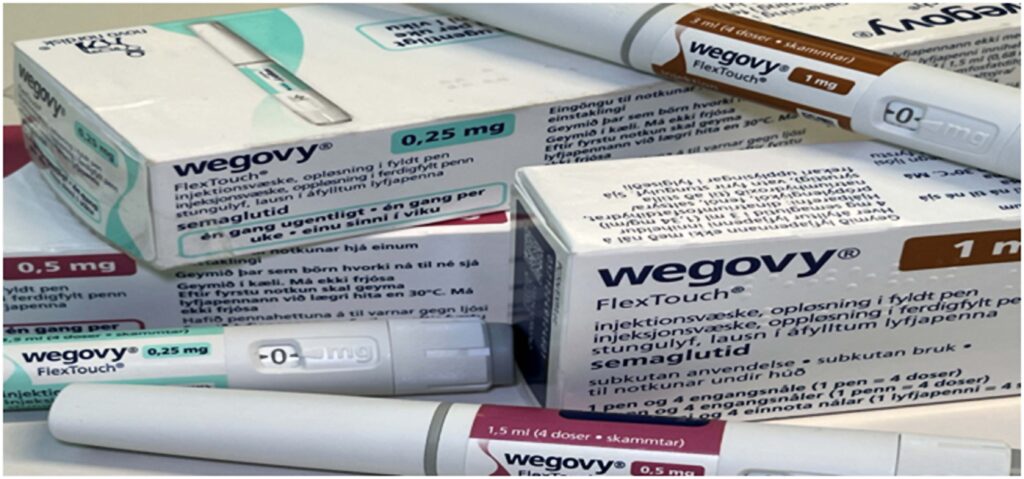
Injection pens and boxes of Novo Nordisk’s weight-loss drug Wegovy are shown in this photo illustration in Oslo, Norway, November 21, 2023. REUTERS/Victoria Klesty/File Photo
Current rules for the Medicare government health insurance program cover the use of GLP-1 drugs such as Eli Lilly’s (LLY.N), opens new tab Mounjaro and Novo’s Ozempic for conditions like diabetes, but not the versions of those drugs like Wegovy that have been approved to treat obesity as a condition on its own.
Medicaid programs, which are state-run, can cover the drugs but many choose not to.
Lilly’s shares were up 4.4%, while Novo’s U.S.-listed shares were up around 1.5% in afternoon trading.
The proposed regulation, which was posted on the Federal Register by the Department of Health and Human Services on Tuesday, would require Medicare to cover these drugs as a treatment for obesity, expanding access for an estimated 3.4 million Americans with Medicare.
It would also expand access to the medications for approximately 4 million adult Medicaid enrollees, according to the White House.
The program would be effective starting in 2026 if President-elect Donald Trump’s incoming administration backs the move; the rule’s comment period is open until Jan. 27, after the inauguration. Robert F. Kennedy Jr., Trump’s choice for health secretary, has said that America should tackle obesity through healthy eating, not medicine.
“This is setting up a political landmine for the Trump administration,” said Ge Bai, professor of health policy and management at Johns Hopkins University.
Because the incoming administration is going to be under pressure to cut costs, Bai said the move could help critics on the left build a narrative that Trump is taking away important health benefits.
Indeed, Democratic Senator Ron Wyden said on Tuesday that he was pleased to see the broader coverage and would be watchdogging the Trump administration to ensure there is no backsliding.
Credit: Reuters
Exclusive: Thousands turn to Wegovy copies each month as FDA considers shortage status
Team Metabolic Health
More than 200,000 prescriptions for copies of Novo Nordisk’s (NOVOb.CO), opens new tab weight-loss drug Wegovy are getting filled by U.S. patients each month, an industry group told the U.S. drugs regulator in a letter, saying it should consider their role in alleviating the obesity drug supply crunch before barring them.
The U.S. Food and Drug Administration is weighing whether to remove Wegovy from its shortage list, which has allowed compounding pharmacies to combine and mix copies of the highly sought-after drugs for more than a year.

Injection pens and boxes of Novo Nordisk’s weight-loss drug Wegovy are shown in this photo illustration in Oslo, Norway, November 21, 2023. REUTERS/Victoria Klesty/Illustration/File Photo
Americans who cannot afford Wegovy or have struggled to find it have been turning to often-cheaper compounded versions sold by pharmacies and telehealth providers like Hims & Hers Health (HIMS.N), opens new tab. Wegovy has been shown to help patients lose as much as 15% of their weight on average.
Once off the shortage list, the pharmacies could be forced to halt production, potentially pushing patients back to Novo, which has so far this year nearly tripled its weekly U.S. supply.
Monthly U.S. prescriptions of Novo’s Wegovy are running about four times that of these compounders, based on member survey results from the Alliance for Pharmacy Compounding, which represents compounding pharmacists and technicians.
The survey results and the compounding industry’s letter to the FDA have not been previously reported. The group said the count was likely conservative since not all members responded.
Novo Nordisk declined to comment. It has previously said it wants to ensure patients receive only FDA-approved, safe and effective semaglutide products, and has applied to the FDA to exempt the drug from U.S. regulations that allow it to be compounded.
The FDA said it was working to determine whether the demand or projected demand for semaglutide within the U.S. exceeds the available supply, and that while compounded drugs serve an important medical need for certain patients, they also present a risk because they are not approved by the agency.
Credit: Reuters
What’s keeping us awake and at what cost?
Team Metabolic Health
More and more Indians across ages are catching fewer hours of sleep than ever before. Here’s looking at India’s new tribe of ‘woke’ people
“Error 404: Sleep not found.” That was the insta message card that changed the life of 31-year-old Karthik Bhaskar, who would scroll his way to dawn, sleep at 5 am and wake up three hours later to be in time for his corporate job. “Being a movie buff, I devoured world cinema in my after-hours. My alertness levels went up, my brain could not wind down, my stress hormone cortisol was dangerously high and my body crashed after my 30th birthday. It turned me into a zombie. I felt disembodied and scared,” he says.

Studies have shown that 61 per cent of Indians reported fewer than six hours of uninterrupted night sleep over the past year (Illustration: Komal)
After intense self-help therapies, he now sleeps by 11 pm, goes for a morning run and then heads to office. “All my waking moments are so full and active these days that I fall asleep easily,” says the IIM Bangalore alumni, who has started an online wellness newsletter, ‘Tiny Wins, A Letter from Your Future Self on 0.1 per cent Growth Daily’.
“When it comes to sleep, motivation won’t take you places, discipline will. Discipline cultivates a habit and puts your life on autopilot,” says Bhaskar, who now helps young people restructure their lives, not just their sleep. There are many like him in the ‘vampire’ tribe who are battling sleeplessness, purely because of a habit of their own making, seldom because of an underlying health condition. Like Srigandh Nagaraj, 33, a Bengaluru-based environmental engineer working remotely for a Singapore firm, who had gotten so comfortable with the idea of not sleeping and living life in the moment that he literally woke up after blanking out while driving. “Watching reels is the new smoking,” he says.
Delhi’s Rishabh Chauhan, 27, would feel a workplace high even after two hours of sleep, till he felt cut off in his nocturnal island. Meanwhile in Chennai, Srijata Narayanan, 33, got so addicted to doomscrolling that she developed hyperanxiety.
Indians across age groups are sleeping less. Much of it is driven by habit rather than medical reasons. “Call it a brain pop, when the control centre of the human body is overstimulated and on a high. This has a cascading effect on the heart, gut, hormones and other organs. Then it becomes a vicious cycle of sleep-deficit causing disease and disease causing sleep deficit. Just going by the complaints of my patients, I would say that Indians today are sleeping no more than four hours,” says Dr Vivek Nangia, head of Pulmonology and Sleep Medicine at Delhi’s Max Hospital.
A social media platform, LocalCircles, has found that 61 per cent of Indians reported fewer than six hours of uninterrupted night sleep over the past year. The sleep solutions company, Wakefit, has found that in 2024, about 88 per cent respondents are on their mobile phones before going to bed, and as many as 54 per cent stay up beyond bed time to consume social media and OTT content.
What’s driving us to stay up?
“A lack of mindfulness and respect for oneself,” says Dr Nangia, bluntly. Of all our bodily functions, sleep seems to be the most negotiable, an indulgence rather than a necessity. Worst, in performance-driven lives, it seems like a frivolity. As Nagaraj says, “I, too, felt the pressure of building social accountability. A social media index is like a goalpost, not only for your peers but your friends, too. So you make time for it. Besides, late night is the only time most people can devote to personal freedoms without a stopwatch dangling over their heads. It’s easy to control the last few hours of your day. Two-and-a-half hours on Bengaluru roads, 12- to 14-hour work days, chores and regular activities had pushed sleep lower down my to-do list. I had given up sports, even talked to my five-month baby while driving so that he became familiar with my voice.”
This is what’s called the “revenge bedtime procrastination,” a pop psychology term since 2014, meaning a let-yourself-go moment with electronic device use. This ‘self-command’ mode is actually ‘self-defeatist’ because we do not understand the function of sleep. Dr Viny Kantroo, respiratory and sleep medicine expert at Delhi’s Indraprastha Apollo Hospital, says that one out of every 10 patients she sees has a sleep disorder. “We not only underestimate the value of sleep but its quality. Deeper planes of sleep are required for cell restoration. That’s the time when the body gets rid of toxins, which are inflammatory molecules in the body. Be it diabetes, obesity, heart disease, everything happens from inflammation. It is also the time when metabolic waste is flushed out from the brain, preventing dementia. The nutrient assimilation from the food we eat is incomplete when we sleep poorly,” she explains.
Research has shown that most lifestyle-induced diseases are controlled easily by eating, sleeping and waking up according to the diurnal cycle to which our bodies are programmed. Although compensatory sleep during day time is inevitable for shift workers, it is the night sleep that matters. “Cortisol, your wake-up hormone, is a day hormone.
Melatonin, the sleep-inducing hormone, kicks in during the evening, peaks at 10 pm and starts dipping post 2 am. So when you stay up late, the body and hormones get confused. The cortisol has to reactivate itself while the melatonin doesn’t know if it has to wind down. With continuous suppression, its levels get depleted and you remain sleepless. This also raises levels of ghrelin, your hunger hormone, and makes you raid the refrigerator in the middle of the night, piling up more calories than your body can burn at that hour,” says Dr Kantroo.
Young people have a high metabolism, so they have the energy reserve to sustain wear-and-tear caused by this mad tussle in the body. “My patients are usually in the 15-25 age group, who suppress sleep because of peer pressures and study load for competitive exams. Or in the 30-45 working professional age group. The background noise has happened but is not showing up. That’s why we see young heart attacks, early onset diabetes, hypertension and obesity,” says Dr Kantroo.
Sleep has many stages. The first stage is when you are still aware of your surroundings. The second and third stages are the deeper and restorative sleep, when you are not receptive to the environment. This should ideally last four hours or make up 60 per cent of your sleep, according to Dr Kantroo. The last stage is the rapid eye movement (REM) sleep where dreams happen and memories are consolidated, and should last one-and-a-half hours. If this pattern is broken frequently or crunched into two hours, like Chauhan did at one time, a sudden sleep attack during daytime could happen and can paralyse you. “I would crash without warning and sleep for 16 hours at a stretch after three days of barely sleeping for two hours,” he admits.
Nagaraj got worried when he started snoring, wondering if he had a medical condition like sleep apnea, when airways collapse and shallow breathing disrupts oxygen flow. Though his sleep therapist ruled that out and suggested melatonin supplements for sleep hygiene, he didn’t want to be dependent. He took a tough step, deactivating his social media accounts and signing out of chat applications at a certain hour. “I had to be healthy for my baby. I realised social media was not really knowledge-worthy, there’s always the Internet to refer to. I saved over two hours, slept earlier, woke up earlier and found time for Suryanamaskara. I limited partying, avoided drinking on Fridays. Now on weekends, we go on drives, visit my parents and engage in some real-world socialising. In short, I moderated every indulgence,” says Nagaraj, who claims to have understood his body’s needs like balancing an equation.
Bhaskar, who had pushed his bedtime to 2 am and then to 5 am, had a rude awakening one day when he felt utterly exhausted after climbing a flight of stairs. “I realised I had become a creature of habit. I stopped watching films at 11 pm which would keep me awake till 1 am. I chose reading self-help books like Atomic Habits (2018), which helped me make small changes every day. I rolled back my sleep time by 15 minutes at first, then half-an-hour. After 60 days, I could sleep by 12.30 am instead of 4 am,” he says. He now dozes off by 11 pm after a light dinner at 8 pm. He deleted video-streaming apps on his phone and reset the time settings to lock apps. “Just make bad habits difficult to access and half the battle is won,” says Bhaskar.
He now has daily conversations with his mother, something he missed earlier as he would wake up late and make a mad dash to work. “I have started the 100-day running challenge with my friends, beginning with 500 metres and hoping to do 10 km a day. Since it is a group project, I know I will commit to it,” says Bhaskar. He even has a checklist, realistically pushing work that’s not a priority to another day and evening out the work pressure over days. His newsletter is a hit and he uses his morning walks to gather feedback.
Chauhan is currently on talk therapy to deal with his deep-seated childhood trauma of his mother’s death, one that kept him awake and made him listless. “I now eat clean and do Vipassana, which helps you bring your mind to the present moment of body awareness. So if your body is tired, the mind will focus on it instead of wandering off, telling you to rest,” he adds. Research by the Department of Science and Technology has shown that Vipassana meditation practitioners transition from light to deep sleep faster and have a longer duration of deep sleep. It can even increase REM sleep states.
Both he and Narayanan are trying out sleep aids like mattresses and pillows made out of memory foam that support the body and help you fall asleep comfortably. Narayanan has taken her sleep hours so seriously that she’s become obsessed with the sleep tracker data on her smartphone. “The first thing I do in the morning is check my sleep quality,” she says.
This addiction is called orthosomnia, something that Dr Suhas HS, sleep medicine expert at Manipal Hospitals, Bengaluru, sees routinely in the IT hub. The problem is sleep trackers only measure your dormant state, not your quality. “Only a clinical study can tell you about heart rate, brainwaves, breath patterns, snoring index and diagnose if your sleep disorder is habitual or medical. Besides, why build up another stress? Just seeing the sun first thing in the day can recharge you,” he says. At least India’s youngsters are trying to find their sweet spot, with or without the sun.
Credit: The Indian Express
A Recipe for Better Obesity Care: Integrating GLP-1s with Food as Medicine
Team Metabolic Health
Nutrition isn’t a supplement — it’s foundational to metabolic health. It’s time we integrate more ‘Food as Medicine’ initiatives alongside the GLP-1 therapies that are gaining traction. GLP-1 receptor agonists, like Wegovy and Ozempic, have taken center stage in obesity and diabetes treatment, praised for their ability to curb appetite, reduce “food noise,” and slow digestion for dramatic weight loss results. While these medications play a strong role in chronic disease management, they’re no replacement for healthy nutrition. Food itself is one of the best therapeutic tools for long-term health — and it’s certainly less expensive than GLP-1 therapies. In fact, a recent study reveals that nationwide use of Medically Tailored Meals (MTMs) for patients with diet-sensitive conditions, like obesity and diabetes, could prevent around 1.6 million hospitalizations and save $13.6 billion every year. It’s time we stop treating nutrition like a side dish in healthcare. If we truly want to optimize population metabolic health, we need to integrate more ‘Food as Medicine’ approaches with pharmacotherapy for better obesity and diabetes outcomes — and cost savings.

Monica Vajani, Executive Director for mHUB’s MedTech Accelerator, discusses how mHUB is helping innovators transition healthcare towards value-based care.
To fully integrate Food as Medicine into chronic care, we need to focus on prevention, companion therapy, and post-medication strategies:
Prevention – Medically Tailored Meals (MTMs) and Groceries (MTGs) offer nutrient-dense, heart-healthy options for conditions like prediabetes and heart disease. Combining these with Medical Nutrition Therapy (MNT) and personalized plans could transform preventive care. Regular screenings, lifestyle counseling, and dietitian partnerships must become part of standard care to make this work.
Companion therapy – Registered dietitians can work with physicians prescribing GLP-1s to create nutrition plans that address muscle preservation, micronutrient intake, and gut health. Higher protein diets, functional foods like prebiotics and probiotics, and medically tailored meal replacements can complement GLP-1 therapy and improve outcomes. Taking advantage of diminished food noise when on GLP-1s, dietitians can help patients focus on mindful eating choosing foods to fuel their body rather than their emotions. Collaboration between dietitians, physicians, and pharmacists is essential.
Post-medication strategy – After GLP-1 therapy, Food as Medicine is critical to maintaining health. Research shows that many individuals experience a reversal in weight loss and other health markers (like fasting blood sugar levels, cholesterol, blood pressure, and more) when coming off anti-obesity medications. Prescriptive nutrition plans, coupled with medically tailored meals, can help sustain the positive outcomes achieved during therapy.
Driving innovation and collaboration in the Food as Medicine movement
There’s a lot of potential for creative collaboration. Healthcare providers and dietitians can partner with major food retailers like Kroger or Walmart to offer MTGs, with stores featuring dedicated sections for these products. “Food prescriptions” could be fulfilled through local or online grocers, blending convenience with clinical nutrition.
Food companies could team up with health systems to provide medically tailored meal services for chronic conditions. For example, a diabetes management meal plan delivered via a service like Hello Fresh, combined with nutrition education, could create lasting health impacts.
Digital health platforms are another avenue for innovation. As employers increasingly adopt digital health solutions for chronic disease management, FAM interventions can be seamlessly integrated, allowing companies to track engagement and health outcomes, demonstrating cost savings and better health for employees. According to this study, providing medically tailored meals increases dietary adherence above 90% and allows patients to realize significantly better chronic disease control. Dietitian-led obesity solutions present an opportunity to scale medically tailored meal support to whole populations.
Medically Tailored Meals could be a game-changer for underserved, food-insecure populations struggling with chronic conditions like type 2 diabetes and obesity. By partnering with social impact investors, public health agencies can make FAM programs a staple within Medicaid, Medicare, and SNAP, ensuring everyone has access to nutritious meals. Together, these collaborations can break down barriers to health equity and make healthy food accessible to all.
Building a future for sustainable health
Scaling the Food as Medicine movement requires cross-industry partnerships and creative solutions. By fostering collaboration between healthcare, technology, employers, insurers, and the food industry, we can make nutrition a core component of healthcare. Together, we can improve outcomes, drive innovation, and build a sustainable future where food truly is medicine.
Credit: medicitynews.com
China Leads the Boom in Continuous Glucose Monitoring Devices
Team Metabolic Health
Over the past decade, China has emerged as a leader in the development and production of continuous glucose monitoring (CGM) devices. Several Chinese medical device companies have risen to challenge traditional leaders from the United States and Europe. Companies like Ypsomed, Lepu Medical, and Panasonic Healthcare have invested heavily in R&D and manufacturing to develop high-quality, affordable CGMs.
Lepu Medical was one of the first Chinese companies to commercialize a CGM system. Their Smart Sensor won regulatory approval in 2013 and quickly gained popularity in China and other Asian s. The device offered real-time glucose readings through a mobile app at a much lower cost than competing products from abroad. Recognizing the growth potential, many medical investors poured resources into CGM startups throughout China.

Exporting Quality CGMs Globally
Driven by cost advantages and technological progress, China Continuous Glucose Monitoring Devices exports have skyrocketed in recent years. Companies like Ypsomed have received FDA and CE Mark approval, allowing them to penetrate Western s. Their Balance CGM system matches the performance of leaders but retails at 30-50% lower price points. This value proposition has won over both individuals and institutional customers like hospitals and insurers.
Chinese manufacturers have also become major suppliers to North American medtech giants. Companies will often partner with Chinese OEMs for contract manufacturing or joint ventures. For example, Dexcom produces some of its CGM sensors in a Panasonic Healthcare factory in China. These partnerships allow global firms to keep costs low while China gains access to international sales channels and technical expertise.
Improving Technologies to Drive Future Growth
While China has achieved success exporting basic CGM devices, the next phase of growth relies on continuous technological advancement. Domestically, Chinese companies are striving to match the innovation of American and European competitors. Areas of focus include miniaturization, extended wear time, enhanced accuracy, and integration with artificial intelligence platforms.
Ypsomed’s Micro Pump system represents an innovative leap. The tiny pump and refillable CGM sensors can provide glucose readings for up to 90 days, removing much of the hassle of daily CGM use. If proven effective in clinical studies, Micro Pump could disrupt the CGM . Lepu Medical is developing algorithms using machine learning techniques to predict glucose trends, giving users more time to react to changing levels.
Regulatory Hurdles Remain
Although Chinese CGM technology is advancing rapidly, regulatory and quality approval remains an obstacle for broader global expansion. International standards like FDA clearance involves extensive clinical testing that Chinese companies have only recently been undertaking. Gaining the trust and acceptance of global medical authorities will be crucial for long-term success abroad.
Quality management also needs improvement to meet stringent Western requirements. Early issues with reliability and sensor accuracy meant Chinese devices faced distrust in some overseas s. Regulators are keeping a close watch to ensure patient safety as Chinese exports grow. Companies must demonstrate robust, consistent quality if they want to dominate as leaders rather than low-cost suppliers.
The Future Looks Bright
If Chinese CGM manufacturers can successfully navigate regulatory challenges and continue pushing technical boundaries, the future outlook is highly promising. With a large domestic diabetes population and lower manufacturing costs, China is primed to be a dominant global force. Cooperation with multinationals will also help Chinese players access international expertise while expanding sales networks. Although competition will remain fierce, China’s commitment to CGM innovation points to many more breakthrough products ahead that can transform diabetes management worldwide.
Credit: marketwebjournal.com
Google Invests $20 Million to Drive AI-Powered Scientific Discoveries
Team Metabolic Health
Google’s $20M Fund Aims to Revolutionize Science with Artificial Intelligence
Google is making a significant investment in the future of science and research by committing $20 million in funding and an additional $2 million in cloud credits. This initiative, spearheaded by Google.org, aims to empower scientists and researchers to tackle complex challenges and achieve groundbreaking discoveries using artificial intelligence (AI).
Demis Hassabis, CEO and co-founder of Google DeepMind, emphasized the transformative potential of AI in scientific endeavors. “I believe artificial intelligence will help scientists and researchers achieve some of the greatest breakthroughs of our time,” Hassabis stated. The fund, announced via Google.org, seeks to foster collaboration between public and private sectors while encouraging innovative applications of AI in science.

The funding program targets projects that leverage AI to solve intricate problems at the intersections of various scientific disciplines. According to Maggie Johnson, Google’s VP and global head of Google.org, fields such as rare and neglected disease research, experimental biology, materials science, and sustainability hold tremendous promise for AI-driven advancements.
Winning applicants will benefit not only from financial support but also from access to Google’s cloud infrastructure, enabling them to scale and power their research projects effectively. Johnson highlighted that the initiative aims to inspire excitement around AI’s potential in science and encourage other stakeholders to join in funding similar efforts.
This move by Google follows a broader trend of tech giants investing in AI-driven research. Recently, Amazon Web Services (AWS) announced $110 million in grants and credits to attract AI researchers to its ecosystem. The competition among tech companies to lead AI innovation underscores the growing recognition of AI’s pivotal role in shaping the future of science and technology.
Hassabis expressed optimism about the initiative’s impact, saying, “We hope the launch of our $20 million fund will inspire further collaboration and renewed enthusiasm for the power of AI and science.” By supporting interdisciplinary projects, Google aims to advance knowledge in areas that could benefit humanity significantly, such as sustainability and health care.
This also attests to Google’s philosophy of approaching other world leading scientific minds. Combined here are direct grants of cash and modern cloud solutions that allow the company to become an important partner of the scientific community in the search for new solutions.
The advent of Google fund is a clear testimony that technologies giant deem AI/Science as a perfect cocktail with which to address the challenges. That this race is intensifying towards actually applying AI for the greater good identifies this move as establishing a model for collaboration between tech executives and scientific scientists.
Credit: analyticsinsight.net
The Many Benefits of GLP-1 Weight Loss Treatment
Team Metabolic Health
Exploring the Whole-Body Benefits of GLP-1 Medical Weight Loss Treatments
The potential of GLP-1 receptor agonists, like Semaglutide and Tirzepatide, extends beyond weight loss to significant whole-body health improvements. Recent studies show GLP-1 medications reduce cardiovascular risks, supporting heart and vascular health, and benefit liver, kidney, and brain functions, helping prevent chronic conditions like fatty liver disease, chronic kidney disease, and cognitive decline.

Cardiovascular and Renal Health
In trials, GLP-1 treatments lowered cardiovascular events by up to 20% and kidney-related complications by 24%, especially in patients with type 2 diabetes. Patients with heart failure and kidney disease saw improved outcomes, underscoring these medications’ role in reducing risks tied to heart and kidney disease. Many cardiologists are now prescribing GLP-1 medications for qualifying patients as a longevity treatment to prevent heart disease.
Decreased Cancer Risk
Obesity significantly increases the risk of various cancers, including breast, colon, endometrial, kidney, and esophageal cancers. Excess body fat can lead to chronic inflammation and hormonal imbalances, such as elevated insulin and estrogen levels, which can promote cancer cell growth and proliferation. Additionally, obesity-related metabolic changes may impair immune function, reducing the body’s ability to fight off cancerous cells, thereby elevating overall cancer risk and impacting cancer prognosis and survival rates. Losing weight decreases your cancer risk!
Liver Health
Obesity is a primary cause of non-alcoholic fatty liver disease (NAFLD), now the most common liver disease in the U.S. Excess body fat contributes to the accumulation of fat in liver cells, leading to inflammation and liver damage over time. NAFLD often progresses without symptoms, but it can advance to more severe liver conditions like non-alcoholic steatohepatitis (NASH) and, eventually, cirrhosis. GLP-1 drugs also support liver health, lowering risks of liver complications and cancer in people with fatty liver disease. Studies show a promising link between these medications and reduced inflammation, potentially delaying or preventing the progression to cirrhosis.
Diabetes Treatment and Prevention
GLP-1 medications offer significant benefits in preventing and managing type 2 diabetes by improving insulin sensitivity, reducing blood glucose levels, and promoting weight loss—all essential factors in diabetes control. By mimicking the GLP-1 hormone, these medications enhance insulin release in response to food intake while suppressing glucagon, helping regulate blood sugar. Additionally, GLP-1 treatments slow gastric emptying, reducing appetite and aiding in sustained weight management, a critical element in diabetes prevention. These combined effects provide a powerful tool for reducing diabetes onset and managing existing cases effectively.
Bone and Joint Health
Beyond organs, GLP-1s may relieve musculoskeletal conditions like osteoarthritis, with patients in trials reporting improved knee pain and mobility. Weight loss provides substantial benefits for bone and joint health by reducing the strain excess weight places on joints, particularly the knees, hips, and lower back. Less body weight decreases the risk of joint damage and inflammation, common in conditions like osteoarthritis. For bones, weight loss can also enhance mobility, improving balance and reducing the likelihood of falls and fractures. Maintaining a healthier weight supports joint longevity, reduces pain, and enables greater physical activity, creating a positive cycle for musculoskeletal health overall.
Sleep Apnea
GLP-1 medication may reduce the severity of sleep apnea symptoms, enhancing overall sleep quality and reducing related health risks. Improvements in sleep apnea can lead to better cardiovascular health, mood, and energy levels, providing substantial relief for patients with this common but often disruptive condition.
Mental and Behavioral Benefits
GLP-1 medications may decrease symptoms of depression by influencing weight loss and modifying brain pathways tied to mood and reward. Studies suggest that GLP-1 treatments can reduce cravings and addictive behaviors, helping stabilize dopamine levels in the brain and potentially alleviating symptoms of depression. Additionally, the psychological benefits of weight loss, such as improved self-esteem and body image, likely contribute to better overall mental health. Together, these effects make GLP-1 therapies a promising option for enhancing emotional well-being.
Looking Ahead
Ongoing research continues to explore these drugs’ far-reaching health benefits across age groups, including patients with early-stage conditions. GLP-1 medications may indeed transform the landscape of weight loss and chronic disease management, making them an exciting option for those seeking comprehensive health improvements. These insights from recent studies reveal why GLP-1 medications may be a powerful tool in advancing whole-body wellness, benefiting patients seeking not only weight loss but also enhanced long-term health outcomes.
Credit: theflowwellness.com
Breaking Down The Winery Chart of Accounts Free Template!

We will work with you to create accurate financial statements and provide guidance on making sound business decisions. Navigating the financial ebbs and flows of seasonal production is a unique challenge for vineyards and wineries. The cyclical nature of grape cultivation and wine production means that cash inflows and outflows are not evenly distributed throughout the year. This irregularity necessitates a strategic approach to cash flow management to ensure that operations remain smooth and uninterrupted.
- Choosing the right location for your winery is crucial for success.
- Its purpose is to help you understand how your DTC shipping costs are managed.
- Sometimes the accounts you need will be dictated by your business circumstances.
- With thoughtful use of classes and tags, you’ll gain an unprecedented understanding of what drives your winery’s financial success.
- Software solutions like QuickBooks, Xero, and specialized agricultural accounting software such as Vintrace or AgCode can streamline the process of tracking and analyzing costs.
- Intuit actively invests in its software, and most of the features it rolls out are genuinely helpful and interesting.
- However, there are some nuances that you need to understand about how it works.
Download a winery chart of accounts example
One advantage of using parent accounts is that you can view your financial reports in both collapsed and expanded forms. When you view your reports in a collapsed form, all of the subaccounts will fold up into the parent account. You could dump all your revenue into one account called “Sales” and call it good. This might be adequate for tax purposes, but it is fairly useless when you are trying to compare how your tasting room is doing compared to your wholesale channels. While QuickBooks Online is a very robust and efficient bookkeeping software for wineries, there are still features within the platform that we don’t use.
Informative Content: Operating a Winery
However, for a growing winery, accrual accounting delivers a more accurate financial picture. We then calculate the cost of wine sold outside of QuickBooks and then post Wine COGS as a journal Online Accounting entry each month. In summary, QuickBooks Online is probably the best bookkeeping software for wineries. For most wineries, we recommend using the QuickBooks Online Plus Plan and then adding on external systems for functions such as payroll and inventory management.
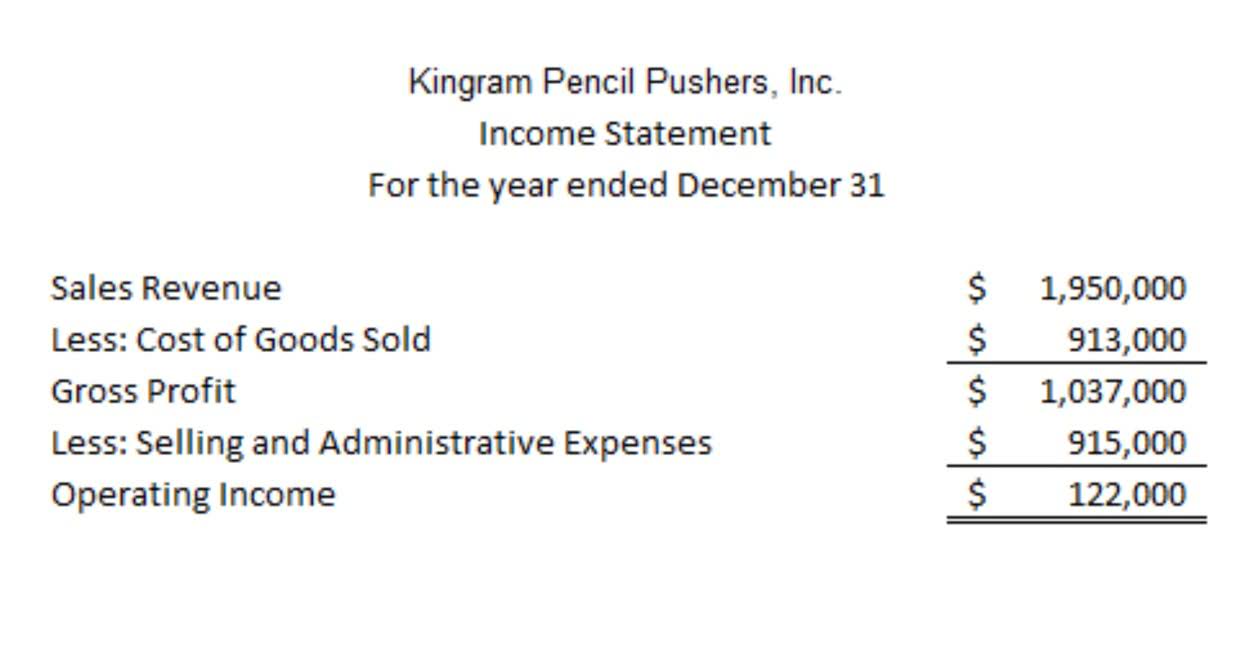
Accounting and bookkeeping built specifically grow unique demands of wineries, only from Protea Financial
However, we’ve only touched the tip of the iceberg when it comes to keeping healthy books for your wine business. If you have more questions, need confirmation, or just want someone to take bookkeeping off of your hands altogether, we’re here to help. The Cost of Goods Sold (COGS) accounts include all of the costs that go into generating your revenue. This includes the costs of making your wine and purchasing merchandise and goods for resale.
- Having more than one sales channel is the reality for most wineries (wine club, tasting room, distributor, etc).
- If your shipping expense recovery ratio is decreasing, you may need to review your pricing strategies and how you charge customers for shipping.
- One commonly used method is First-In, First-Out (FIFO), which assumes that the oldest inventory items are sold first.
- At each stage of production, there are costs for materials, labor, and overhead.
- Common mistakes include not keeping accurate records, neglecting to track all expenses, and misunderstanding tax laws.
- The method you choose for your cost accounting is a crucial decision.
- Budgeting for ongoing expenses without immediate returns is critical during the maturation period.
See the benefits of winery accounting from Protea Financial

Wine accounting helps vineyard owners track income from grape sales, manage expenses related to cultivation, and monitor cash flows. By maintaining detailed financial records, vineyard winery bookkeeping managers can identify cost-saving opportunities, plan budgets more effectively, and improve overall financial health. This enables better decision-making and enhances the vineyard’s financial stability. When managing a winery, one of the most crucial decisions you’ll make is how to handle your accounting. It’s not just about keeping the IRS at bay; it’s about gaining insights into your business to make strategic decisions that enhance your profitability and growth.
Other Income

We publish reports on an accrual basis so you can keep in accurate view of your profitability. If you are on a cash basis for tax, we can provide cash basis reports to your tax preparer at the end of the year. Leveraging our proprietary winery data and industry reports, we offer industry benchmarking services. We compare your winery’s performance against industry peers, providing insights into key metrics such as gross margin, production efficiency, and distribution effectiveness. This benchmarking allows you to identify areas for improvement and make strategic decisions without losing sleep. Protea Financial has a team of experienced professionals who can help you navigate the complexities of wine accounting.
Overview of Accounting Methods
Every employee’s wages, benefits, and payroll taxes must be accounted for and apportioned. If you operate a vineyard in addition to winery, include those labor expenses in your total labor cost. While those costs Bookstime are being accounted for, it’s also vital to track the movement of your inventory. This includes keeping tabs on what materials and labor went into creating specific vintages and blends. Ready to elevate your winery’s financial management to the next level?

Time-restricted eating shows promising weight and metabolic benefits, study reveals
Team Metabolic Health
New research highlights the potential of time-restricted eating and calorie timing as effective, sustainable alternatives for weight management and improved blood sugar levels.
In a recent study published in JAMA Network Open, researchers performed a systematic review and meta-analysis of randomized clinical trials (RCTs) to explore the impact of meal timing strategies on body weight management and metabolic outcomes.
The efficacy of modern approaches to weight loss
The global prevalence of obesity and overweight is sharply increasing, partly because of modifiable lifestyle risk factors, including unhealthy dietary patterns and physical inactivity, both of which are associated with an increased risk of diabetes, cardiovascular disease, cancer, and premature death.
Current estimates indicate that most individuals consume food for more than 14 hours each day and snack late at night, which further increases the risk of type 2 diabetes and worsens glycemic control. Comparatively, intermittent fasting, which involves consuming foods during a six—to ten-hour duration during the active phase of the day, has emerged as a popular weight loss strategy.
Dietary modification, including calorie restriction, is considered the primary strategy for body weight management. Meal timing strategies, such as time-restricted eating (TRE), a form of intermittent fasting, meal frequency reduction, and alteration of calorie distribution throughout the day, have emerged as promising alternatives for people who find it challenging to monitor daily calorie intake for weight loss.
In the current systematic review and meta-analysis, scientists analyze published RCTs to evaluate the long-term impact of meal timing strategies on anthropometric and metabolic outcomes in adults with or without metabolic disease.

Study: Meal Timing and Anthropometric and Metabolic Outcomes. Image Credit: Pormezz/Shutterstock.com
Study design
The scientists searched various electronic databases to identify RCTs that investigated within-day meal timing patterns for at least 12 weeks and reported anthropometric outcomes, such as body weight and body mass index (BMI).
The final analysis included 29 RCTs involving 2,485 participants. The risk of bias analysis showed that about 76% of the selected trials provided low-quality data.
Meal timing strategies evaluated in the reviewed RCTs included time-restricted eating, meal frequency, and daily calorie distribution.
Time-restricted eating
The meta-analysis of RCTs investigating the impact of time-restricted eating on weight management revealed that this strategy can significantly reduce both body weight and BMI. However, time-restricted eating was not found to impact lean body mass or waist circumference.
Study participants with high BMI at baseline lost more weight than those with lower BMI. Greater weight loss was observed with eight hours or less of consuming food every day as compared to feeding times that exceeded eight hours each day.
Regarding metabolic outcomes, time-restricted eating was associated with reductions in fasting blood glucose, glycated hemoglobin (HbA1c), low-density lipoprotein (LDL) levels, and energy intake.
Meal frequency
Lower meal frequency was associated with small reductions in body weight and BMI; however, meal frequency did not appear to impact lean mass or waist circumference measurements. Likewise, meal frequency was not found to impact fasting glucose, HbA1c, LDL levels, or energy intake.
Calorie distribution
Consuming most calories earlier in the day leads to greater weight reduction, lower BMI values, and reduced waist circumference measurements compared to calorie consumption later in the day. Like meal frequency, no clear association was observed between calorie distribution and metabolic outcomes.
Study limitations
A subgroup analysis of the current study confirmed that the weight-reducing effect of meal timing strategies is persistent and does not depend on the training level of clinicians who delivered the interventions. However, most of the reviewed clinical trials enrolled participants from clinical settings and involved clinicians with nutrition training, which may restrict the generalizability of the findings. Similarly, all clinical trials on calorie distribution involved only female participants.
Another limitation of the current study is the low quality of evidence due to the risk of bias and inconsistency. Thus, additional clinical trials with larger sample sizes, similar intervention designs, and longer follow-up periods should be conducted to provide more conclusive results on the health benefits associated with time-restricted eating.
Conclusions
Meal timing strategies implemented for more than 12 weeks can moderately reduce body weight, BMI, and waist circumference measurements. Time-restricted eating was also found to reduce HbA1c and fasting glucose levels, thus indicating the potential utility of this strategy for the management of diabetes.
The strict nature of calorie counting in traditional weight loss interventions is one of the primary reasons contributing to its low adherence, in addition to its association with higher disinhibition, energy intake, and BMI. Comparatively, time-restricted eating may provide a simpler and more flexible approach for healthcare clinicians to support behavioral change in overweight or obese adults.
Credit: news-medical.net
Benefits of Ashwagandha and How Much to Take
Team Metabolic Health
The herbal medicine can increase energy, improve overall health and reduce inflammation, pain and anxiety
If you’re the nervous or stressed-out type, someone has probably given you a mini sermon about the wonders of ashwagandha.
They’ve probably told you that it can do just about everything including make you dinner and put the kids to bed. But if you’re skeptical about herbal medicine, you probably haven’t considered looking into ashwagandha. That’s OK. We’re going to do the legwork for you.
With the help of integrative medicine specialist Yufang Lin, MD, we’ll cover the basics and some of the medically proven benefits of using ashwagandha.

What is ashwagandha?
Ashwagandha (Withania somnifera), also known as “Indian Winter cherry” or Indian Ginseng,” is an evergreen shrub that’s found in India, Africa and parts of the Middle East.
So what is ashwagandha good for?
“Ashwagandha has long been used in Ayurvedic medicine to increase energy, improve overall health and reduce inflammation, pain and anxiety,” says Dr. Lin.
She adds that Ayurvedic medicine is the traditional medicine system in India. It’s a healing tradition that uses nutrition, exercise, mindfulness practices and herbs to promote balance between the body, mind, spirit and the environment.
Ashwagandha seems to fit the bill for those who prefer herbal medicines for several reasons.
Modern life is full of stress triggers. And that stress contributes to physical and mental illness. During stressful moments, the cortisol levels in your body become elevated, and this causes your heart to pump harder and faster. You breathe rapidly and your body generates more glucose for a quick burst of energy. Your mind becomes hyper-focused on any threats, and your body goes into fight or flight mode. When the stressful event is over, cortisol levels normalize and the associated symptoms resolve.
“Unfortunately, when a threat is chronic — whether it’s stress from finances or work — the stressful response also becomes chronic,” says Dr. Lin. “Over time, long-term stress can contribute to persistent inflammation and increases the risk for developing chronic conditions like obesity, diabetes, hypertension, heart disease, stroke, cancer, osteoporosis and fibromyalgia.”
Ashwagandha Benefits
So what does ashwagandha do? Research shows that it can help in several ways:
Normalizes cortisol levels, which reduces the stress response.
Reduces inflammation.
Reduces cancer risks.
Improves memory.
Improves immune function and anti-aging properties.
Eases stress and anxiety.
“People who are stressed or anxious, or people with chronic conditions might turn to ashwagandha to help ease their conditions,” says Dr. Lin.
How much should you take?
Ashwagandha comes in a variety of forms. It’s available in gummies, capsules, liquid drops and powders that you can mix into drinks.
So how much ashwagandha per day should you consume? Regardless of the form you use, Dr. Lin says dosing is usually 500 mg twice a day.
But is ashwagandha safe? Dr. Lin says it mostly depends on the quality of the supplements. Her advice is to look for supplements that have been independently tested and verified by an outside company such as ConsumerLab, United States Pharmacopeia (USP), or National Sanitation Foundation International (NSF International).
Ashwagandha side effects
While the side effects of ashwagandha are minimal, some people may experience:
Gastrointestinal upset, Diarrhea, Vomiting and Nausea.
“Most people can take this supplement, although it is always best to discuss it with your healthcare provider first,” says Dr. Lin.
If you have any issues with your thyroid, Dr. Lin strongly recommends checking with your healthcare provider before taking ashwagandha.
“Ashwagandha can augment thyroid function by increasing the conversion of the less potent thyroid hormone, T4, to the more active form of the thyroid hormone, T3,” says Dr. Lin. “Thus for some people, it can support a healthier thyroid function. On the other hand, if an individual’s thyroid is already borderline hyperactive, ashwagandha could contribute to frank hyperthyroidism.”
Other conditions which require caution when it comes to using ashwagandha include if you’re pregnant or breastfeeding, or if you have an autoimmune disease. In these cases, Dr. Lin advises talking to your provider before taking anything. She stresses this with pregnant women as ashwagandha could cause complications.
Overall, ashwagandha can be a part of your wellness plan — but remember it’s not a cure-all.
“Taking ashwagandha will not make the stress go away, but it may help reduce the symptoms so one feels more at ease,” says Dr. Lin. “But if you take the time to develop coping tools to help manage stress in the future, that will go much further in the long run.”
Credit: health.clevelandclinic.org