
Common diabetic drug Metformin may become a wonder drug to keep people young; Study finds promising results in monkeys
Team Metabolic Health
A recent study published in Cell highlights the potential of metformin, a widely used diabetes medication, to slow ageing in monkeys. The research demonstrates that daily doses of metformin can preserve cognitive function and delay ageing effects in various tissues, especially the brain. This finding suggests that metformin could one day be used to delay ageing in humans.
Metformin’s Impact on Cognitive Function
The study, led by Guanghui Liu and his team at the Chinese Academy of Sciences, involved administering metformin to 12 elderly male cynomolgus macaques for 40 months, equivalent to about 13 human years. Results showed that metformin-treated monkeys experienced significantly slower cognitive decline than the non-treated control group. The neuronal activity in these monkeys resembled that of animals around six years younger, or approximately 18 human years, indicating that metformin may help maintain brain health and cognitive function.
Effect on Other Tissues
Beyond the brain, the study explored metformin’s impact on other tissues, including the lung, kidney, liver, skin, and brain’s frontal lobe. The drug was found to slow the biological ageing of these tissues and reduce chronic inflammation, a common marker of ageing. These results suggest that metformin’s benefits extend beyond cognitive preservation, potentially offering broader anti-ageing effects.
Mechanisms and Future Research
Researchers proposed that metformin’s anti-ageing effects could be due to the activation of NRF2, a protein that protects cells from inflammation and injury. While the study primarily focused on healthspan—the period during which an organism remains in good health—it did not assess the drug’s impact on overall lifespan.
Challenges and Next Steps
Despite the promising findings, the study has limitations, including a small sample size of male monkeys. Further research is needed to determine if these effects are consistent across sexes and larger populations. Liu and his team are now conducting a trial with 120 human participants, in partnership with Merck, to test metformin’s impact on human ageing. Additionally, plans are underway for a larger-scale trial involving 3,000 individuals aged 65–79 to further explore the drug’s potential to extend healthspan and improve quality of life in older adults.
The study offers new insights into metformin’s potential beyond diabetes treatment, highlighting its possible role in promoting healthier ageing. While these initial results are encouraging, more comprehensive studies are necessary to confirm metformin’s impact on human health and longevity.
Credit: The Economic Times
Diabetes Treatment Might Ease Gum Disease, Too
Team Metabolic Health
Diabetes can worsen the state of your gums, but a new study suggests that diabetes medications may undo some of that damage.
Researchers in Japan found a positive turnaround in markers of gum well-being after people with diabetes received medication.
“Promoting collaboration between medical and dental care from the early stages of diabetes can significantly contribute to preventing the onset and progression of periodontal disease in diabetic patients,” said study senior author Dr. Masae Kuboniwa. She’s an associate professor of preventive dentistry at Osaka University.
Links between periodontal health, heart disease and diabetes have long been observed.
In the new trial, Kuboniwa and colleagues had 29 people with type 2 diabetes undergo two weeks of “intensive” therapy with diabetes medicines. None of the patients underwent any professional dental care during the time period.
Reporting recently in the journal Diabetes, Obesity and Metabolism, the Japanese team found that not only did medication boost levels of glycoalbumin — a marker of blood sugar control — but it also lowered what’s known as the Periodontal Inflamed Surface Area (PISA), a measurement of gum inflammation.
As the gum’s PISA scores improved, that was reflected in improvements throughout the body, in terms of blood flow and an easing of neuropathy.
“This study demonstrates that improving periodontal disease in diabetic patients requires not only periodontal treatment but also early diabetes management,” Kuboniwa said in a university news release.
The new findings “are expected to advance our understanding of the mechanisms underlying the relationship between diabetes and periodontal disease,” she said.
Credit: drugs.com
What is metabolic health & why it is important?
Team Metabolic Health
Your food choices, metabolism, microbiome, exercise, sleep, stress, and mental health — as well as your age, sex, and genes — all shape your unique metabolic health.
Some experts say that metabolic health means the absence of metabolic syndrome, which is a group of risk factors that contribute to the risk of heart disease, type 2 diabetes, stroke, and other metabolic diseases.
The risk factors for metabolic syndrome include high blood pressure, high blood fat, low levels of good cholesterol, high blood sugar, and a large waistline.
But other experts argue that metabolic health means more than that. Some say that to be metabolically healthy means that a person has good health overall and a low risk of developing metabolic diseases.
In this article, you will learn more about what metabolic health means, what happens when your metabolic health is not in great shape, and what you can do to improve it.

What does metabolic health mean?
There is no official definition of the term metabolic health. At ZOE, we have observed that a large part of your metabolic health is down to having a healthy metabolism.
This means that your body can digest and absorb nutrients from the food that you eat without unhealthy spikes in blood sugar, blood fat, inflammation, and insulin.
It’s important to avoid these big spikes because they can contribute to the unfavorable long-term impact of food on your health, such as high cholesterol, high levels of body fat, a large waist circumference, and high blood pressure.
Having good metabolic health lowers your risk of getting metabolic diseases.
In other words, to be metabolically healthy means that your body is able to respond to food in a beneficial way that reduces your risk of conditions such as obesity, type 2 diabetes, heart disease, stroke, kidney disease, and nonalcoholic fatty liver disease.
We believe that a combination of factors make up your individual metabolic health, some of which you can influence and others that are set.
You cannot change your age, sex, or your genes. But you can modify your diet, gut microbiome, weight, sleep, and exercise, and you can address your stress and mental health.

Who is metabolically unhealthy?
A few years ago, a group of researchers from the University of North Carolina published a research paper that said that only 12.2% of adults in the United States are metabolically healthy.
In their study, they measured waist circumference, fasting and long-term blood sugar, blood pressure, and blood fats and cholesterol to assess metabolic health.
Crucially, they noted that taking any medication for diseases related to these measures, like heart disease or type 2 diabetes, meant that the person wasn’t metabolically healthy.
Having a moderate weight doesn’t automatically guarantee good metabolic health.
“Less than one-third of normal weight adults were metabolically healthy,” the researchers wrote in the paper. They added that 92% of people with overweight and 99.5% of people with obesity were metabolically unhealthy.
This research focused on fasting blood sugar and blood fat. But at ZOE, we know that how your blood fat, blood sugar, and insulin levels change after you eat is important, too.
The scientific name for this is postprandial responses. Put more simply, it’s a measure of how your body responds to food in the short term.
What happens when metabolic health is poor?
ZOE’s PREDICT program — the largest nutritional studies of their kind, with over 10,000 participants — has found that we each respond differently to the foods that we eat.
Some people’s bodies find it harder to keep their blood sugar and insulin levels from spiking after eating food, while others experience high blood fat levels for long periods after eating. Some people have trouble with both blood sugar and blood fat responses.
Moderate changes in blood sugar, insulin, and blood fat levels after eating are normal, and they are part of the way your body digests and responds to food.
The odd blood sugar spike or long raised blood fat level is not going to do a lot of immediate damage. But over time, these events add up and cause an unhealthy metabolic response.
This can result in a wide range of unfavorable effects on your body — such as inflammation, oxidative stress, and changes in the particles that carry your blood fat — which we call dietary inflammation.
Bottom of Form
Bit by bit, these unhealthy responses to food can contribute to low-grade, chronic inflammation, atherosclerosis, problems producing enough insulin, and potentially weight gain.
When your metabolic health is poor, you are likely to experience greater variations in your blood fat, blood sugar, and insulin levels after you eat, along with dietary inflammation.
This is not good for your health, and it puts you at greater risk of metabolic syndrome and metabolic diseases.
How can nutrition improve metabolic health?
Changing what you eat can have an impact on your metabolic health. At ZOE, we know that you can reduce large variations in blood sugar, insulin, and blood fat by eating the right foods for your body. This may also lower your chances of chronic inflammation.
A healthy diet should include plenty of unprocessed plant foods like vegetables, fruit, legumes, seeds and nuts, and wholegrains, as well as healthy fats, like olive oil.
Aim for 30 different plant foods each week in a variety of colors. Cut down on sweetened drinks, refined grains, and ultra-processed foods.
You can still enjoy these as treats, but filling your plate with healthy food the majority of the time is better for your metabolic health.
It’s not just the food you eat that influences your metabolic health. The trillions of microorganisms that live in your gut and make up your gut microbiome also play a role.
A healthy gut is important for digestion and your overall health. Feed your gut microbes with plenty of high fiber plant foods and fermented foods, like unsweetened live yogurt, aged cheddar, parmesan, Swiss cheeses, kimchi, kefir, and sauerkraut.
Sleep and exercise impact metabolic health
In addition to your food choices, there are other ways to improve your metabolic health. How much and how well you sleep can affect the way that your body responds to food.
ZOE scientists and their collaborators recently found that a bad night’s sleep leads to blood sugar spikes after breakfast the next day.
Additionally, after a bad night’s sleep, you are more likely to reach for sugary foods, which can cause unhealthy blood sugar spikes.
In such situations, it’s worth steering clear of sugary food and opting for a breakfast that is high in fat or high in protein instead.
Importantly, the researchers found that how early you go to sleep had a greater impact on your blood sugar control than how long you sleep in total.
Bringing your bedtime forward can help you to avoid blood sugar spikes after breakfast the following morning.
Additionally, exercise is great for heart health and reduces the risk of developing diabetes.
ZOE’s PREDICT program also found that exercising regularly is good for blood sugar control.
The Physical Activity Guidelines for Americans recommend 150 minutes of aerobic exercise and two activities that strengthen the muscles at least twice per week. Any physical activity is better than nothing, and you can break your exercise down into small bursts as short as 5 minutes.
Walking, yoga, gardening, and pushing a lawn mower are all good options. Try to find what you enjoy the most and what you can fit around your work and other activities.
Getting good quality sleep and keeping active are great ways to look after your metabolic health.
Address stress and mental health
Research has found links between metabolic health and stress and mental health conditions.
Stress is part of everyday life, but research shows that chronic stress is bad for your health. Work stress in particular increases the risk of developing metabolic syndrome.
People with mental health conditions are also at greater risk of metabolic syndrome and are more likely to have problems with their blood fat and blood sugar control.
This includes people who live with anxiety disorder, major depressive disorder, attention-deficit/hyperactivity disorder, posttraumatic stress disorder, bipolar disorder, and schizophrenia.
The exact mechanism at play is not clear, but it’s likely a combination of changes in the gut microbiome, medication, genetics, diet, and other lifestyle factors, like smoking and alcohol, and lack of medical care.
If you are living with a mental health condition or are experiencing chronic stress, consider talking to a healthcare professional about your metabolic health.
Summary
Your metabolic health plays an important role in your risk of metabolic diseases, like heart disease, type 2 diabetes, stroke, kidney disease, and liver disease.
Looking after your metabolic health is important for your overall health.
A number of factors influence your metabolic health. You can’t change your age, sex, or your genes, but you can make changes to your diet, sleep, and activity levels.
These changes can all help you avoid big spikes in blood sugar, insulin, and blood fat.
Chronic stress and mental health can also affect your metabolic health. Working with a health professional to identify what works best for you can improve your metabolic health and your overall health.
Credit: zoe.com
Survey shows 25% of adults consider weight loss drug use without prescription
Team Metabolic Health
Injectable weight loss drugs are popular right now but can be hard to get because they are in short supply or too expensive without insurance. The result is that some people are skipping the doctor’s office and reaching out to potentially unreliable sources such as unlicensed online pharmacies or telehealth sites, which could expose patients to risks.
A new national survey from The Ohio State University Wexner Medical Center reveals 1 in 4 (25%) of 1,006 adults surveyed would consider using an injectable weight loss medication without consulting their doctor. The reasons include:
- Lower cost (18%)
- Not covered by insurance (15%)
- Unable to get a prescription from their doctor (9%)
- Lack of availability through a pharmacy (6%)
“It’s really important for those who want to lose weight to first discuss options with their doctor. It is not one size fits all, and every medication can have risks and side effects. A trusted doctor can go through a patient’s medical history and current medications to assess their particular risks and benefits,” said Shengyi Mao, MD, an Ohio State internal medicine physician.

What are these new drugs for weight loss?
GLP1-RA drugs (such as brand names Ozempic and Wegovy) were originally developed to regulate blood sugar levels in people with Type 2 diabetes. During safety and efficacy studies, researchers discovered the drugs could lead to weight loss because they can curb appetite and slow emptying of the stomach. Some studies have shown they can lower the risk of heart attack, stroke or cardiovascular death. In March, the FDA approved semaglutide for reducing cardiovascular risk in adults who are overweight or obese and have established cardiovascular disease.
This year, the FDA issued two warnings about compounded semaglutide including reports of dosing errors resulting in hospitalization and ineffective ingredients. Compounded drugs are custom-made alternatives to brand names and made in state-licensed pharmacies instead of by drug manufacturers when a drug is in short supply.
The FDA has received reports that some compounders may be using semaglutide salt, which is a different active ingredient than the one approved by the agency. The FDA is also investigating reports of counterfeit Ozempic being marketed in the U.S.
“Obesity is a serious and complex chronic disease and shouldn’t be addressed in a one-size-fits-all approach. That’s why a comprehensive weight management program is often the best choice because losing weight and keeping it off requires a lifestyle change and lifelong commitment,” Mao said. “These weight loss drugs may be effective for some people but they can cause serious side effects and the weight may return after they stop taking them.”
Credit: medicalupdateonline.com
An insight into the Metabolic Syndrome
Team Metabolic Health
Overview
Metabolic syndrome is a cluster of conditions that occur together, increasing your risk of heart disease, stroke and type 2 diabetes. These conditions include increased blood pressure, high blood sugar, excess body fat around the waist, and abnormal cholesterol or triglyceride levels.
Apple and pear body shapes
People who have metabolic syndrome typically have apple-shaped bodies, meaning they have larger waists and carry a lot of weight around their abdomens. It’s thought that having a pear-shaped body that is, carrying more of your weight around your hips and having a narrower waist doesn’t increase your risk of diabetes, heart disease and other complications of metabolic syndrome.
Having just one of these conditions doesn’t mean you have metabolic syndrome. But it does mean you have a greater risk of serious disease. And if you develop more of these conditions, your risk of complications, such as type 2 diabetes and heart disease, rises even higher.
Metabolic syndrome is increasingly common, and up to one-third of U.S. adults have it. If you have metabolic syndrome or any of its components, aggressive lifestyle changes can delay or even prevent the development of serious health problems.
Symptoms
Most of the disorders associated with metabolic syndrome don’t have obvious signs or symptoms. One sign that is visible is a large waist circumference. And if your blood sugar is high, you might notice the signs and symptoms of diabetes — such as increased thirst and urination, fatigue, and blurred vision.
When to see a doctor
If you know you have at least one component of metabolic syndrome, ask your doctor whether you need testing for other components of the syndrome.
Causes
Metabolic syndrome is closely linked to overweight or obesity and inactivity.
It’s also linked to a condition called insulin resistance. Normally, your digestive system breaks down the foods you eat into sugar. Insulin is a hormone made by your pancreas that helps sugar enter your cells to be used as fuel.
In people with insulin resistance, cells don’t respond normally to insulin and glucose can’t enter the cells as easily. As a result, your blood sugar levels rise even as your body churns out more and more insulin to try to lower your blood sugar.
Risk factors
The following factors increase your chances of having metabolic syndrome:
- Age. Your risk of metabolic syndrome increases with age.
- Ethnicity. In the United States, Hispanics — especially Hispanic women — appear to be at the greatest risk of developing metabolic syndrome. The reasons for this are not entirely clear.
- Obesity. Carrying too much weight, especially in your abdomen, increases your risk of metabolic syndrome.
- Diabetes. You’re more likely to have metabolic syndrome if you had diabetes during pregnancy (gestational diabetes) or if you have a family history of type 2 diabetes.
- Other diseases. Your risk of metabolic syndrome is higher if you’ve ever had nonalcoholic fatty liver disease, polycystic ovary syndrome or sleep apnea.
Complications
- Having metabolic syndrome can increase your risk of developing:
- Type 2 diabetes. If you don’t make lifestyle changes to control your excess weight, you may develop insulin resistance, which can cause your blood sugar levels to rise. Eventually, insulin resistance can lead to type 2 diabetes.
- Heart and blood vessel disease. High cholesterol and high blood pressure can contribute to the buildup of plaques in your arteries. These plaques can narrow and harden your arteries, which can lead to a heart attack or stroke.
Prevention
- A lifelong commitment to a healthy lifestyle may prevent the conditions that cause metabolic syndrome. A healthy lifestyle includes:
- Getting at least 30 minutes of physical activity most days
- Eating plenty of vegetables, fruits, lean protein and whole grains
- Limiting saturated fat and salt in your diet
- Maintaining a healthy weight
- Not smoking
Credit: mayoclinic.org
U.S. Suicide Death Rate Is Rising Again
Team Metabolic Health
Key Takeaways
- New CDC data for 2022 finds U.S. rates of suicides rising after a slight decline during the pandemic
- Males face much higher risks for suicide than females, although suicide deaths have been rising for both sexes
- Firearms are the leading method used
U.S. suicide rates are ticking back upward again after a dip during the pandemic, new statistics show.
Suicide deaths per 100,000 people had fallen from 14.2 recorded in the pre-pandemic year of 2018 to 13.5 in 2020.
However, by 2022, the latest year for which statistics are available, the rate had climbed once more to 14.2 deaths per every 100,000 Americans, report researchers from the U.S. Centers for Disease Control and Prevention.
This continues a tragic, longstanding trend, they noted.
“From 2002 to 2018, the total rate [of suicide deaths] increased 30%, from 10.9 deaths per 100,000 standard population to 14.2,” wrote report co-authors Matthew Garnett and Sally Curtin, of the CDC’s National Center for Health Statistics (NCHS).
Looking at final 2022 data from the National Vital Statistics System, the researchers found some variations in suicide death by age, gender and method used.
Among males, rates decreased somewhat among boys and young men ages 10 through 24 between 2020 and 2022, but it rose among men over the age of 24.
However, rates for suicide death among males overall did rise, and “the suicide rate for males was three to four times the rate for females across the period,” Garnett and Curtin reported.
In 2022, the suicide death rate among males was 23 fatalities per 100,000 people, compared to 5.9 among females.
Nevertheless, the number of girls and women who died by suicide is still higher than in decades past — from 4.2 in 2002, to a peak of 6.2 in 2018, to a rate of 5.7 per 100,000 people in 2022. Women in middle age seemed to be at highest risk.
Overdoses were the leading method of suicide for females between 2002 and 2015, but by 2022 firearms had become the most common method used, the CDC data showed.
That trend was even more pronounced among boys and men: “The firearm-related suicide rate among males increased from 10.3 [per 100,00 people] in 2006 to 13.5 in 2022,” the report’s authors said.
The findings were published Sept. 26 as an NCHS Data Brief.
Credit: healthday.com
What Is The Best Injection For Weight Loss?
Team Metabolic Health
Losing weight can be a challenging journey, as many individuals who have attempted it can attest. Losing a significant amount of weight or even just a few pounds can be a challenging task for anyone, but our bodies, age, genetics, and metabolism can sometimes make it even more challenging. Even when we feel like we’re making significant efforts, watching our calorie intake and exercising for weight loss can be underwhelming and leave us frustrated and discouraged.
Over the years, pharmaceutical companies have been trying to come up with a solution that offers individuals help with their weight loss journey. Up until recently, there really were no good options that were both safe and effective. The FDA approved the first weight loss injection in 2017, the second one in 2021, and another one is currently on the “fast track” and is likely to be approved before the end of 2023.
In this article, we are going to talk about these new prescription options for weight loss, including a bit of their history, how they are used, and their weight loss potential. For those of you considering these new medications, we hope that this information is helpful in determining what is the best injection for weight loss for your unique circumstances.
The History Of Weight Loss Injections
All of the increasingly popular weight loss injections were initially developed as type 2 diabetes treatments. The positive side effects of weight loss became clear as patients received these drugs to help control their blood sugar. For many patients, losing weight improved the obesity-related diseases they suffered from, or they experienced complete remission, eliminating the need for medication. Currently, there are two FDA-approved injections for weight loss: Saxenda and Wegovy. Mounjaro is a similar medication that has been approved for use to control blood sugar in diabetic patients and is currently pending approval for weight loss purposes. Here is an overview of each of these medications:
Understanding Compounded Semaglutide
Semaglutide that has been customized for a specific person by a special pharmacy (compounding) is called compounded semaglutide. These pharmacies can customize the injection for a particular patient, offering individualized dosages and the chance to alter the prescription to better meet their needs.
The ability to personalize these prescription injections can increase their effectiveness and may be a more flexible and affordable option than the name-brand equivalents. In addition to being budget-friendly, compounded semaglutide has remained readily available, and sources have not been significantly affected by the continuous shortages that have plagued the name-brand version.
How Do The Best Injections For Weight Loss Work?
The drugs used to treat type 2 diabetes that have been approved for weight loss are glucagon-like peptide-1 (GLP-1) receptor agonists. (a class of drugs). Simply put, they are quite similar to the human hormone glucagon-like peptide 1. When it is injected into our bodies, it imitates the effects of the hormone.
We need to understand the body’s hormonal response to food in order to better grasp how these medications function. The hormone glucagon-like peptide 1 is part of a hormone family responsible for insulin secretion in our bodies. This set of hormones is referred to as “glucagon-like” since they share some characteristics with one another and come from the same source.
Although the pancreas also releases it in small amounts, the small intestine’s lining cells produce the majority of the GLP-1 hormone. GLP-1 also communicates with the brain, creating satiety between meals and slowing down the digestive process to help individuals feel full longer. These hormones also prompt the liver to break down stored glucose and send it into the bloodstream; they transform some amino acids into glucose; and they promote the utilization of stored fat (triglycerides).
When these prescription medications are introduced into the body, they jumpstart these processes and create a more efficiently run system. This is extremely helpful to those patients whose metabolism is not functioning properly due to underlying conditions that hinder their attempts at weight loss.
Which Shot For Weight Loss Was Approved First?
Liraglutide (Victoza And Saxenda)
The prescription medication liraglutide, sold under the brand name Victoza, was the first GLP-1 receptor agonist to be approved by the FDA (2010) for the treatment of patients with type 2 diabetes. The identical prescription drug was approved by the FDA in 2017 under the trade name Saxenda for the purposes of weight management. Saxenda is injected once daily under the skin into a “fatty” area such as the stomach, thigh, or back of the upper arm.
Semaglutide (Ozempic And Wegovy)
Semaglutide, also known as Ozempic, is a prescription drug that has been approved by the FDA since 2017 for the management of type 2 diabetes in patients. The FDA granted approval to Wegovy® in June 2021 for the treatment of obesity. The Wegovy® weight loss shot is administered by patients once a week using a preloaded, one-time-use injection pen. Most patients choose to administer their weight loss shots into their abdominal area by pinching a roll of fat and injecting it under their skin.
Compounded Semaglutide (SlimMed)
Surgicare Arts & Aesthetics’ compounded weight loss injection SlimMed combines the fat-burning supplement Levocarnitine with the prescription drug semaglutide. (the same main ingredient found in the name brand Wegovy). These subcutaneous injections are given once weekly using prefilled syringes.
Tirzepatide (Mounjaro)
The FDA gave its blessing to this novel therapy for diabetes in May 2022. Two hormones in the human body, called glucagon-like peptide-1 (GLP-1) and glucose-dependent insulinotropic polypeptide (GIP), are the prime regulators of blood sugar levels. Mounjaro is the first drug to mimic and stimulate both of these natural receptors, and clinical trials demonstrated its superiority to other diabetic treatments in regulating blood sugar levels. Although the FDA has not yet green-lighted the use of Mounjaro to treat obesity, the drug is reportedly on the “fast track” for approval, and experts have indicated approval may be granted before the end of 2023. Administration of Mounjaro is the same as semaglutide through weekly injections.
How Does Dosing Differ Between Weight Loss Injections?
The best injections for weight loss are administered through a specific dosing schedule that starts with a low dose and escalates to the highest approved dose over a series of months. This is done to mitigate the common side effects of nausea and vomiting frequently associated with these weight loss prescriptions. Patients take each dose strength for four weeks before transitioning to a higher dose. The acclimation schedule for all these medications takes around five months, with the exception of Mounjaro, which is completed over a six-month time frame.
What Is The Best Injection For Weight Loss According To Clinical Trials?
The short answer is Mounjaro; even though it is not yet approved for weight management, it surpassed other weight loss injections in weight loss results. The first clinical trial that included 2,539 patients taking a 15-mg dose of Mounjaro resulted in most losing approximately 22.5% of their total body weight, or an average of 54 pounds. This was a larger percentage of total body weight than the 15.8% experienced by semaglutide (Wegovy) patients during their 68-week trial. In last place in the weight loss race is liraglutide, which yields an average loss of 6.4%.
Side Effects And Potential Downsides
Common side effects are temporary and include an upset stomach, diarrhea, dizziness, constipation, nausea, and vomiting. There are also some serious known but rare side effects; however, some of these medications have not been tested long-term.
A potential drawback to these new weight loss injections is that patients might rely on them to maintain their weight rather than learn to control their portions and alter their unhealthy eating habits or sedentary lifestyles. To achieve sustainable weight loss, patients must develop good behavioral habits that extend beyond diet and exercise, such as getting enough sleep, staying hydrated, and managing their level of stress.
Patients who have tried and failed with conventional weight loss treatments may benefit from weight loss injections. These prescription injections can help you lose a significant amount of weight and improve your health when used in conjunction with a balanced diet and regular exercise. The best injection for weight loss may also be combined with a non-surgical weight loss procedure for optimal results.
If you would like to learn more about how prescription injections could benefit your journey to better health or wonder what is the best injection for weight loss for your circumstances, contact SurgiCare Arts & Aesthetics today! We would love the opportunity to talk with you during a personal consultation and share the best options with you.
Credit: surgicarearts.com
Apple Cider Vinegar Detox: What You Need to Know
Team Metabolic Health
Apple cider vinegar (ACV) has become popular for uses ranging from salad dressing to natural cleaning products. Recently, ACV detoxes have trended in wellness circles, claiming potential benefits like weight loss, improved digestion, and blood sugar control. This article explores the science behind these claims, potential side effects, and safety considerations.

Image by Healthnews
What is an apple cider vinegar detox?
An apple cider vinegar detox involves consuming ACV, usually mixed with water and sometimes ingredients like lemon juice, organic honey, or organic cayenne pepper, to allegedly cleanse the body of toxins and experience potential health benefits. It’s considered important to use raw, unfiltered, organic apple cider vinegar that contains the ‘mother.’ The ‘mother’ is responsible for producing the vinegar and is rich in beneficial bacteria, vitamins, minerals, and enzymes created during fermentation that may help support gut health. It’s common for vinegar with the ‘mother’ to look cloudy or murky because it contains these natural nutrients and microorganisms.
It’s crucial to understand that there is limited scientific evidence supporting the idea of ‘detoxification’ using ACV as the liver, GI tract, and kidneys naturally detoxify the body without the need for special drinks or cleanses, but ACV does show some potential health benefits.
How to do an ACV detox
Steps to doing an apple cider vinegar detox differ, depending on the resource. Basically, you would add 1–2 tablespoons of raw, unfiltered, organic ACV (the kind with the mother) to some water (usually 4–8 ounces, depending on your taste tolerance). Some people also add organic honey, organic cayenne pepper, or maple syrup to improve the flavor. From there, you drink this ACV with water regularly for a period of time, days, weeks, or even months.
Some detoxes recommend drinking it slowly throughout the day, while others recommend taking the drink like a healthy shot 2–3 times per day. Because there is no set standard for an ACV detox due to a lack of scientific grounding of such practice, specific directions will differ between resources. Talk to a qualified healthcare professional if you’re curious about doing an apple cider vinegar detox.
Are there any potential benefits of apple cider vinegar detox?
While we do not endorse any specific detox programs, it’s worth examining the potential health benefits of apple cider vinegar based on anecdotal evidence and see what research journals, reviews, and popular media are saying about this approach to detoxing.
Credit: healthnews.com
Novo Nordisk’s Experimental Oral Drug Reports ‘Remarkable’ Weight Loss, Early Data Shows
Team Metabolic Health
Key Takeaways
In a phase 1 trial, Novo Nordisk’s experimental obesity drug amycretin led to up to 13% weight loss in just three months.
Amycretin targets GLP-1 receptors and a second hormone called amylin.
Amylin appears to act in the brain, rather than in the gut. It’s possible that amylin can control appetite with fewer gastrointestinal side effects.
An experimental new pill from Novo Nordisk, called amycretin, could cause substantial weight loss in people with obesity.
The once-daily oral medication is in the same class as the blockbuster obesity and diabetes medications, Ozempic and Mounjaro. It targets GLP-1 receptors and stimulates levels of a second hormone called amylin.
In a phase 1 clinical trial, researchers tested if the drug was safe for humans at different doses. Although regulatory approval is still years away, early data suggests that the drug could lead to rapid weight loss. Participants taking amycretin at the highest doses lost up to 13% of their body weight in just three months.1
That outcome is “remarkable,” said David Lau, MD, PhD, professor emeritus and director of the Julia McFarlane Diabetes Research Centre at the University of Calgary, who was not involved with the study. “This adds to the current and future investigations and development of weight loss medications to help people to achieve better body weight and, of course, overall health.”

Bloomberg/Getty Images
Would You Be More Likely to Take GLP-1s If They Came in Pill Form?
How Amycretin Works
Amycretin targets amylin, a hormone secreted by the pancreas. After eating, amylin signals fullness, slows the rate at which food moves through the stomach and limits the release of glucagon, a hormone that increases blood sugar levels.
In a presentation at EASD, Kirsten Raun, DVM, Scientific Vice President at Novo Nordisk, said that amylin could benefit people with obesity by reducing appetite, improving fat-to-lean mass ratio, supporting bone formation, lowering blood pressure, improving lipid profile, and more.
Combining amylin and GLP-1 receptor agonists into one medication could stimulate weight loss in more ways than semaglutide, which targets GLP-1 alone.
“The data are very consistent that amylin agonists actually affect appetite centrally in the brain. But what we don’t know is the exact location in the brain where amylin works,” Lau said. “If amylin acts differently from the GLP-1 receptor agonists, there may be an additive effect on appetite regulation. If they act on different parts of the brain, they may have better effect.”
New Weight Loss Drugs Are on the Way That Could Upstage Wegovy and Ozempic
What We Know From the Clinical Trial
The trial included 144 participants between the ages of 18 and 55 years who had a BMI of 25 to 40 and were otherwise considered healthy.
Novo Nordisk used the same technology to create an oral form of amycretin as it uses for Rybelsus, the oral version of semaglutide.
The researchers tested multiple dosing regimens. In a presentation of the data, Agnes Gasiorek, PhD, senior clinical pharmacology specialist at Novo Nordisk, highlighted a portion of the study in which the dosage for some participants about doubled every two to three weeks for three months.
One group ended with a dose of 50 milligrams. They saw an average 10.4% body weight loss by the end of the trial. A group that took twice that dose lost 13.1% of their body weight during that time. The placebo group, meanwhile, lost 1.2% of their body weight.
That outcome “really is remarkable for an orally delivered biologic,” Gasiorek said.
Gasiorek said it’s too early to compare the benefits of amycretin with semaglutide or other obesity medications. Future studies will test how amycretin affects the body over a longer period.
One challenge of developing an oral version is making the drug effective at the lowest dose possible. About 1% of oral semaglutide is bioavailable, so people need to take a much higher dose of the medication to receive the same effect as an injectable dose.2 Novo Nordisk hasn’t yet studied what percentage of amycretin is absorbed orally.
What Happens When You Stop Losing Weight on Drugs Like Ozempic or Wegovy?
Striving for Weight Loss With Fewer GI Side Effects
A common complaint among people who take GLP-1-based drugs is the discomfort of gastrointestinal side effects. Research by Lau and his team suggests that targeting amylin can increase feelings of satiety and fullness while reducing the risk of gastrointestinal side effects.3
In the trial data presented last week, Novo Nordisk reported that most people experienced mild to moderate gastrointestinal side effects, such as nausea, vomiting, and abdominal pain. The likelihood of those side effects increased as participants started taking higher doses of amycretin.
Amylin appears to act in the brain, rather than in the gut. Scientists are still learning about which parts of the brain are responsible for nausea and which parts amylin stimulates, but it’s possible that amylin helps control appetite while signaling less gastrointestinal discomfort.
“The effect of nausea and the effect of weight loss are completely separate, so nausea in and by itself does not necessarily lead to weight loss. Some people can lose weight without experiencing nausea, and some people experiencing weight loss also can experience nausea,” Lau said.
For companies competing to create the most tolerable and effective obesity and diabetes medications, Lau said a primary goal is to understand how to target certain hormones to induce weight loss without nausea.
How Common Is Stomach Paralysis From Obesity Medication?
Where Amycretin Could Fit Into Obesity Care
Novo Nordisk will advance the once-daily oral tablet to phase 2 clinical trials. The company is also testing a subcutaneous injection version of the drug.
Lau said that GLP-1 receptor agonists will continue to be the “major ingredient” for future anti-obesity medications. Drugs that also target another hormone or two have the potential to be more potent.
For instance, Eli Lilly’s tirzepatide stimulates GLP-1 and GIP receptors and causes greater average weight loss in clinical trials than semaglutide, which targets GLP-1 alone. A drug in phase 3 clinical trials, called retatrutide, targets three different hormones with promising effects.4
“Obesity, as a condition, is actually very heterogeneous. Some people respond tremendously, other people don’t,” Lau said.
Someone who is a “super responder” to GLP-1 drugs may lose sufficient weight when taking a drug that contains amylin with even fewer side effects than they may experience on semaglutide, for instance.
Credit: verywellhealth.com
Health Rounds: Older eggs may be made suitable for IVF
Team Metabolic Health
Hello Health Rounds Readers! Today we feature two early studies that might turn out to be laying the groundwork for some paradigm-changing advances. One study suggests it might someday be possible to “rejuvenate” eggs from older women in order to make them suitable for assisted reproduction therapies. The other suggests there may someday be a way to prevent serious cases of jaundice in newborns. We also highlight a study with encouraging data for patients with advanced neuroendocrine tumors.

A medical technician selects eggs for an in-vitro fertilization (IVF) procedure
Older eggs may be made suitable for IVF
As women age, the quality of their eggs decreases and they become less useful for in vitro fertilization. But it may someday be possible to “rejuvenate” older eggs to improve the likelihood of successful pregnancies and healthy babies, a study in mice suggests.
In the ovaries, immature eggs are housed in fluid-filled sacs called follicles. When an egg matures, the follicle ruptures and releases the egg during ovulation.
It seems, Haiyang Wang and colleagues at the National University of Singapore reported in Nature Aging, that moving “aged” eggs into “younger” follicles can partially restore their reproductive function, and in turn, generate eggs that are of better quality for in vitro fertilization.
In experiments in mice, the researchers extracted healthy follicles from young animals and cultured them in test tubes. Then they extracted older eggs from their original follicles and transplanted them into the younger follicles, whose own eggs had been removed.
The results showed that “the quality and developmental competence of the aged (egg) can be substantially, though not fully, restored through ‘nurturing’ in a young follicular environment,” the researchers said in a statement.
There were improvements seen in the aged eggs’ metabolism, gene expression and energy production. There was also evidence that the young follicular environment could support processes that reduced the number of abnormal chromosomes.
In the mice, “All these improvements enhance the success of embryonic development after in vitro fertilization, leading to a live-birth rate around three times higher than that achieved with aged oocytes not exposed to the young follicular environment,” the researchers said.
Of course, more research is needed to know whether these findings can be extended to humans.
Women starting at around age 42 to 45 are typically advised not to proceed with IVF with their own eggs because older eggs have a higher chance of abnormalities.
Gene variant protects against jaundice in some newborns
Some babies are born with a gene variant that almost completely protects them against jaundice, researchers have discovered.
Many babies have jaundice in their first few days of life, with a yellowish tinge to their skin and the whites of their eyes. Usually, it goes away on its own. Severe cases, however, can lead to brain damage and death. The yellow tint is caused by bilirubin, an orange-yellow pigment formed in the liver as it breaks down excess red blood cells.
The researchers were surprised to find that the newly identified gene variant present in certain people affects the babies’ processing of bilirubin differently than in adults, according to a study in Nature Communications.
They made their discovery by analyzing millions of genes in blood samples from almost 30,000 newborn babies in Europe, including about 2,000 with jaundice, and their parents.
The variant they found – known to be present in around 12% of babies born in Europe and the United States – controls an enzyme that converts bilirubin into a water-soluble form, allowing the body to get rid of it more easily.
“We are surprised that we only see this effect in the intestines of the babies, but not in the liver, as it is the liver that is responsible for the metabolism of bilirubin in adults,” study leader Dr. Bo Jacobsson of the University of Gothenburg in Sweden said in a statement.
The finding eventually may lead to development of a way to prevent severe newborn jaundice, the researchers said.
Exelixis drug helpful in advanced form of pancreas cancer
A small percentage of pancreatic cancer cases – including the one that affected the late Apple founder Steve Jobs – are so-called neuroendocrine tumors. Cabometyx, from Exelixis, can significantly extend the time until the disease worsens in patients with advanced cases of these tumors, researchers reported at the European Society of Medical Oncology in Barcelona.
Among 95 patients with advanced pancreatic neuroendocrine tumors in a randomized trial – all of whom had failed other treatments – the median progression-free survival with Cabometyx was 13.8 months, compared with 4.4 months with placebo.
Progression-free survival was also improved with Cabometyx in 203 patients with advanced neuroendocrine tumors at other sites in the body, although not to as great an extent. Median progression-free survival in those patients was 8.4 months in the Cabometyx group and 3.9 months with placebo.
“The results support the use of (Cabometyx) as a new treatment option for patients with advanced extrapancreatic neuroendocrine tumors or pancreatic neuroendocrine tumors whose disease has progressed after at least one other line of therapy … or in whom unacceptable side effects have developed after such therapy,” Dr. Jennifer Chan of the Dana-Farber Cancer Institute in Boston and colleagues wrote in the New England Journal of Medicine.
Credit: Reuters
Nasal Flu Vaccine Is Approved for At-Home Use
Team Metabolic Health
The F.D.A. authorized AstraZeneca’s treatment to be given outside a health care setting, although it will still need a prescription.
The Food and Drug Administration on Friday authorized at-home use of FluMist, opening the door for needle-shy people to have easy access to a nasal spray vaccine that is potentially lifesaving.
The approval will allow, for the first time, an alternative to the annual flu shot that parents and caregivers can give to children and that adults can use on their own outside of a health-care setting. It would still require a prescription and is expected to be available from an online pharmacy next fall.
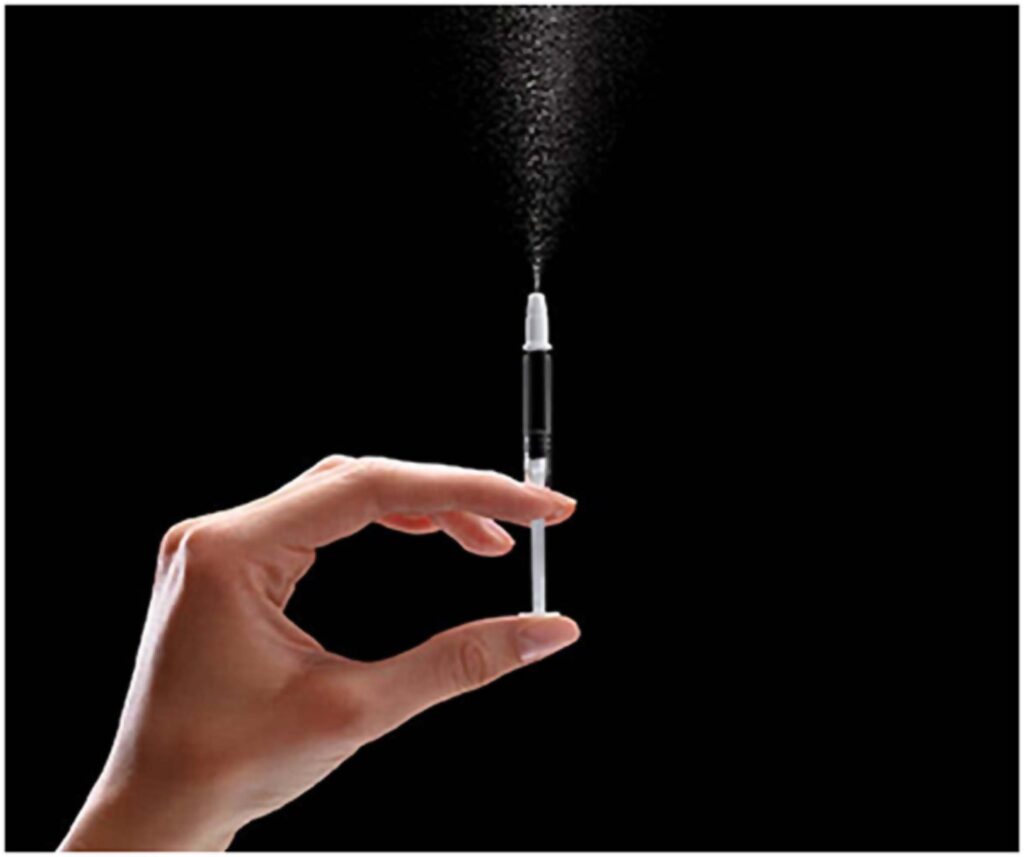
The FluMist vaccine will remain available from prescribers as an in-office treatment. Pix Credit: AstraZeneca
AstraZeneca, which makes the treatment, said it would start a FluMist Home website, where people can fill out a questionnaire that will be reviewed by a pharmacist before the treatment is shipped to a person’s home. The mist will remain available from prescribers as an in-office treatment. The current out-of-pocket cost for a dose is about $35 to $45, but may be less depending on insurance coverage.
“Today’s approval of the first influenza vaccine for self- or caregiver-administration provides a new option for receiving a safe and effective seasonal influenza vaccine potentially with greater convenience, flexibility and accessibility for individuals and families,” said Dr. Peter Marks, director of the F.D.A.’s vaccine center, which authorized the at-home option.
The agency required the company to study whether its instructions were clear and whether at-home administration was feasible. The agency concluded that it was, but advised caregivers to give the spray to those who are 2 to 17 years old.
The flu takes a steep toll that varies greatly from year to year, according to an F.D.A. summary of data from the Centers for Disease Control and Prevention. From 2010 through 2023, hospitalizations have ranged from 100,000 to 700,000 each year, and from about 4,900 to 51,000 people have died.
FluMist was first approved by the F.D.A. in 2003 for people ages 5 to 49; since 2007, it has been authorized for people as young as 2 years old. The spray contains a weakened form of live flu virus that is applied inside the nose.
According to the C.D.C., the nasal spray has largely been found to be as effective as the shot, except for children in 2009, a year of particularly high levels of flu cases. Since then, the formula of the spray has changed, according to the agency, which said studies outside the United States found it to have similar efficacy to the shot.
Dr. Abraar Karan, a Stanford infectious disease doctor, said he saw a lot of flu patients in urgent care. He added that many said they had meant to get a vaccine, but found that the major challenge was basic logistics: making an appointment, missing work and building in time to feel tired or achy after receiving the vaccine.
He said the new approval would ideally go a long way toward preventing more flu cases.
“A lot of it is actually just reducing those logistical barriers,” Dr. Karan said. “And so an at-home platform, I think, will increase uptake, and that will increase uptake quickly, which is really the key before the season starts picking up.”
Credit: The New York Times
U.S. Restarts Free COVID Test Program
Team Metabolic Health
Key Takeaways
- Need a COVID test? Starting Sept. 26, U.S. households can again get four of the screens for free from the federal government
- Over 900 million of the free tests have already been distributed since the pandemic began
- Getting your COVID vaccine is a smart idea, too: Updated shots are now available

Adobe Stock
Key Takeaways
- Need a COVID test? Starting Sept. 26, U.S. households can again get four of the screens for free from the federal government
- Over 900 million of the free tests have already been distributed since the pandemic began
- Getting your COVID vaccine is a smart idea, too: Updated shots are now available
U.S. government is offering another round of free COVID tests.
“U.S. households will be eligible to order 4 free COVID-19 tests at COVIDTests.gov,” according to the Department of Health and Human Services. “The COVID-19 tests will detect current COVID-19 variants and can be used through the end of the year.”
More than 900 million such tests have already been distributed to help folks get tested and treated earlier, and to perhaps keep them from spreading COVID to others.
If you’ve never tested for COVID before, the nasal swab kits are easy to use.
“At-home COVID tests can be taken at home or in other locations and typically provide results within 30 minutes or less,” according to the HHS. “COVID tests can be administered to both vaccinated and unvaccinated individuals.”
Testing may come in handy as gatherings for Halloween, Thanksgiving and Christmas push people into close proximity.
“The best plan going into this winter is for everyone to remain vigilant, to use the tools we have: vaccines, testing, treatment against the illnesses responsible for the majority of fall and winter deaths and hospitalizations,” Dr. Mandy Cohen, director of the U.S. Centers for Disease Control and Prevention, said Friday, CNN reported.
And don’t forget vaccines.
The latest, strain-specific formulation of COVID vaccine is now available, in both the RNA form (Moderna and Pfizer) or Novavax’ protein-based alternative.
The mRNA vaccines target the KP.2 ‘FLiRT’ variant, which has been a dominant strain since late spring, while Novavax’ shot targets JN.1, which is still around but perhaps less dominant than in months past.
All vaccines are available at pharmacies nationwide, and it’s fine to get a COVID and flu shot simultaneously, experts say.
Credit: healthday.com
Wegovy Leaked Out of the Injection Site: Now What?
Team Metabolic Health
There’s a specific technique for injecting Wegovy (semaglutide) so that the drug won’t leak out of the injection site. Learn how to inject Wegovy properly and what to do if leakage still occurs.
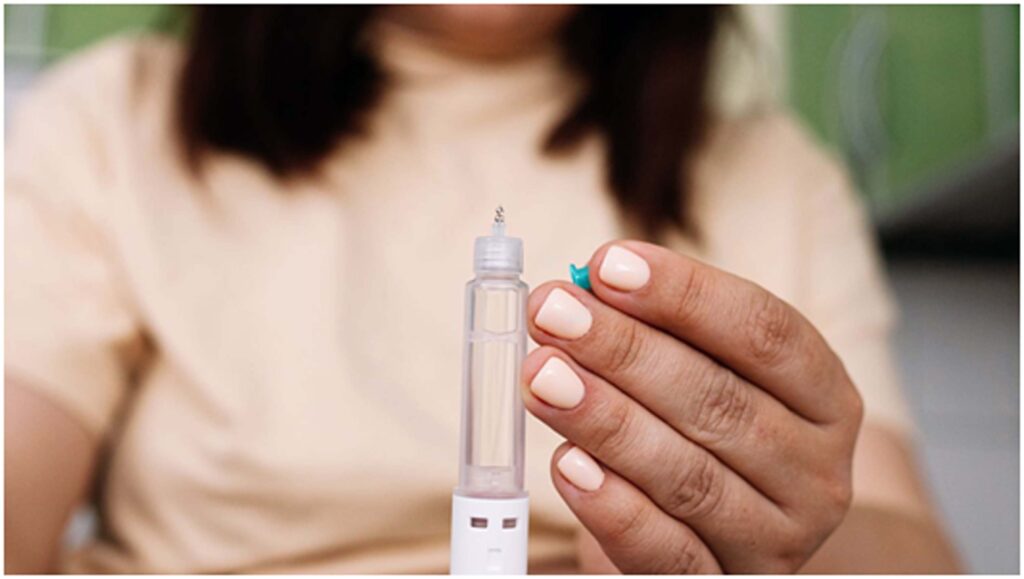
Wegovy is a prescription medication used to help with weight loss in certain people. The drug comes as a liquid solution in single-dose prefilled pens and is given as an injection under your skin.
How to inject Wegovy
Choosing the right injection site and following the injection instructions exactly can help reduce many instances of leakage.
Where’s the best injection area to prevent leakage?
Several areas of your body are equally effective for Wegovy injections. These include:
your lower stomach (at least 2 inches from your belly button)
- Upper arm
- Front upper thigh
If you have difficulty with Wegovy leaking from an abdominal injection site, you might have more success using your front upper thigh or upper arm. These areas are typically firmer than the stomach, and using them may help avoid leakage. If you do inject into your abdomen, try standing up to tighten the skin there.
Iuliia Burmistrova/Getty Images
Regardless of where you choose to inject Wegovy, be sure to change the exact location each time to avoid injection site reactions. For example, you can switch thighs from one dose to the next or inject into the same thigh a few inches from your last injection site.
Keep in mind that even within the areas approved for injection, there are places you should not inject Wegovy. These include:
- A vein or muscle
- Any area with stretch marks or scars
- Skin that’s bruised or discolored, tender or hard
Talk with your doctor or another healthcare professional before your first Wegovy injection. They can show you the proper technique and help you determine which injection sites are best for you.
What’s the best injection technique to prevent leakage?
To be sure you get the full dose of the drug, it’s important to follow the injection instructions closely.
Detailed instructions are available from several sources:
- Check out the “How to use the Wegovy pen” video on the manufacturer’s website.
- Follow the step-by-step directions outlined in the drug’s prescribing information (beginning on page 38).
- Refer to the instructions for use that come with your Wegovy pen.
In general terms, the Wegovy injection process is as follows:
- Clean your hands and then the injection site with soap and water or rubbing alcohol. Let your skin dry.
- Pull the cap straight off the pen.
- Push the needle cover firmly against your skin, and keep it firmly there the entire time.
- The injection starts when you hear the first click, and the yellow bar in the pen’s window begins to move. If this doesn’t occur, apply more pressure.
- The pen will click a second time. Keep applying pressure, as this sound indicates the injection is still in progress.
- The injection is finished when the yellow bar stops moving.
- Again, the first click means the injection has started. The second click means it’s still in progress. The injection is complete when the yellow bar stops moving (typically 5 to 10 seconds from the initial click).
- Slowly pull the pen away from your skin.
- Press a cotton ball or gauze pad lightly against the spot if there’s any bleeding.
Drug leakage can occur if you don’t press the pen firmly enough against your skin or if you pull the pen away too soon. You may see fluid leaking or squirting from the needle or pooling on your skin.
Note that the needle cover locks as soon as you remove the pen from your skin, so once you’ve stopped an injection, you can’t restart it.
You should immediately discard used pens in a Food and Drug Administration (FDA)-approved sharps disposal container. For more information, check out this FDA pageTrusted Source.
What to do if Wegovy leaks out
If you follow all the appropriate steps and Wegovy is still leaking from the injection site, it may be due to a pen malfunction.
Wegovy has a helpline you can call at 833-4-WEGOVY if you have a pen that’s not working properly.
You can also call the drug manufacturer at 833-934-6891 for assistance with issues such as the following:
- The pen has passed its expiration date.
- The fluid in the pen is not colorless and clear.
- Any part of the pen has been damaged or broken.
- The pen looks like it’s been used.
If you have a Wegovy pen that’s not working correctly, discard of it properly without using it and try a new pen instead.
Credit: healthline.com
Sanofi wins US approval for multiple myeloma drug in newly diagnosed patients
Team Metabolic Health
The U.S. Food and Drug Administration said on Friday it has approved the use of a drug combination along with Sanofi’s (SASY.PA), opens new tab Sarclisa infusion as a treatment for certain types of newly diagnosed multiple myeloma patients.
Sarclisa has previously been approved for use as a fallback therapy for certain cases of multiple myeloma after standard treatments have failed.
The French drugmaker, a market leader in anti-inflammatory drugs, has underscored its commitment to oncology drug development even after a once-promising breast cancer drug candidate flopped in 2022.

The logo of French drugmaker Sanofi is seen a the Sanofi Genzyme Polyclonals in Lyon, France, September 30, 2023. REUTERS/Gonzalo Fuentes/File Photo
The FDA’s approval allows use of the regimen in patients who are not eligible for autologous stem cell transplant, another treatment option for multiple myeloma.
In a late-stage study, a certain treatment regimen with Sarclisa lowered the risk of disease progression or death by 40% when compared to a treatment course without Sarclisa.
The study was conducted in patients who were not eligible for the autologous stem cell transplant, in which a patient’s own healthy blood cells are used to restore bone marrow function.
The drug was given FDA priority review status in May.
Sanofi plans to advance blood cancer drugs known as anti-CD38, which include Sarclisa, despite GenMab (GMAB.CO), opens new tab and Johnson & Johnson’s (JNJ.N), opens new tab strong foothold with Darzalex in the same class.
Sarclisa generated sales of 227 million euros ($253.40 million)in the first half of the year. Analysts expect annual Sarclisa sales of about 800 million-900 million euros by 2030, according to LSEG data.
Credit: Reuters
How we think about ‘obesity’ and body weight is changing. Here’s why
Team Metabolic Health
From doctors’ offices to family gatherings, larger-bodied people report being bombarded with unsolicited advice about their eating and exercise habits. The underlying message? They “just need to lose weight” to fix almost any health problem.
Society’s focus on weight has shaped how most Australians view health and body weight, often pushing them towards unhealthy thoughts and behaviours in the pursuit of an “ideal” body shape.
However, the way society thinks about obesity and body weight is changing, with science backing the shift.
Policymakers and health researchers are increasingly recognising the harms of stigmatising language and attitudes towards larger-bodied people.
Let’s unpack how the thinking on obesity has shifted over time and what this means for public health and health care in Australia.

From personal responsibility to a complex, chronic disease
Until recent years, managing body weight was predominantly considered a personal responsibility. Obesity was considered a result of a poor diet and a lack of physical activity, underpinned by personal and moral failure.
This narrative was reflected in public health policies that used language such as “war on obesity” and “obesity epidemic”. Such language was shown to reinforce negative stereotypes of larger-bodied people as “lazy” and lacking willpower.
These stereotypes give way to weight stigma and discrimination, which is still prevalent today. Health professionals such as dietitians report that weight stigma (from other people and internally from within themselves) is a prevalent and ongoing challenge they manage in their career.
This narrative of personal responsibility has shifted in recent years to recognise the wider determinants of health. Research has identified a range of psychological, social, biological and systemic factors contributing to increasing rates of obesity, such as socioeconomic status, genetics, medications and environment.
As a result, public health experts consider it no longer appropriate to use language referring to obesity as a problem of “lifestyle”.
Until recently, weight management was seen as a personal responsibility. World Obesity Federation
Professionals across medicine, psychology and dietetics also responded by updating their language standards to person-first language (for example, “person living with obesity”), acknowledging the shift away from framing obesity as a personal failure.
In 2014, the United States American Medical Association classified obesity as a chronic disease, against advice from its Committee on Science and Public Health. The decision sparked widespread discontent and discussion, with claims it causes unnecessary discrimination and pathologises normal changes to human bodies over time.
The debate continues here in Australia, yet no classification has been made.
Weight-centric and weight-inclusive narratives
Recent policy documents in Australia, such as the National Obesity Strategy 2022–2032, acknowledge a broader view of obesity. But policy and practice in Australia remains predominantly weight-centric. They encourage weight loss as a health goal and recommend intentionally avoiding weight gain.
Weight-centric approaches to health have been criticised for lacking long-term evidence (beyond five years) to support their effectiveness and for producing unintended consequences.
Rather than promoting health, weight-centric approaches can cause harm, such as increased weight stigma and weight cycling (repeatedly losing and regaining weight). Both weight stigma and weight cycling have been linked with negative long-term physical and mental health outcomes.
Weight-inclusive approaches to health are gaining popularity as an alternative approach that supports people in eating well and moving regularly, regardless of any desire to lose weight. This approach aims to improve access to health care and has been shown to enhance overall physical and mental health.
Approaches like Health at Every Size and intuitive eating are key examples of promoting health and wellbeing without focusing on weight.
Weight-inclusive approaches have faced criticism, however, with concerns that these approaches lack empirical evidence and may not be appropriate for people who want support for weight management.
Where does this leave us?
While our thinking about obesity continues to change, it is essential to listen to larger-bodied people and ensure their access to health care is equitable, safe and affirming.
Advocates such as Size Inclusive Health Australia recommend efforts to reduce weight stigma and discrimination so that health is inclusive of all body shapes and sizes.
Guidance and recommendations exist for addressing weight stigma and adopting weight-inclusive approaches to health, such as the Size Inclusive Health Promotion Guidelines and the Eating Disorder Safe Principles.
Policy, research and practice should continue to synthesise and understand the evidence surrounding weight-inclusive approaches, in line with the shifting narratives of weight and health. This will support the design, implementation and evaluation for weight-inclusive initiatives in Australia.
Credit: The Conversation