
Health Perks of Shedding Kilos for Diabetes Patients
Team Metabolic Health
Scientists suggest that losing weight, particularly around the waist, can reduce the risk of severe flu and infections in individuals with diabetes, adding to the overall health benefits of weight loss, according to the study published in the journal Diabetologia.
The study from Rhian Hopkins and Ethan de Villiers from the University of Exeter in the UK found evidence to suggest that a higher body mass index (BMI) is a cause of severe infections.
Did You Know?
Hyperglycemia is a leading cause of diabetic complications, accounting for over 1 million hospitalizations annually. In contrast, there was no evidence that mild hyperglycemia contributes to the likelihood of a severe infection.
“Up to one in three hospitalizations in people with diabetes are for infections and people with diabetes are twice as likely to be hospitalized with infections than the general population. They are also at high risk of readmission,” said Hopkins.
Previous studies have found that a higher BMI and poor blood sugar control are associated with severe infections. New study highlights the psychological and metabolic mechanisms associated with altered risky decision-making in severe obesity.

Slimming Down — A Key to Reducing Flu Risks for Diabetics!
However, these studies have been observational and so haven’t been able to prove that the links are causal.
The team used data from the UK Biobank to explore the effect of higher BMI and poor blood sugar control on hospitalization for bacterial and viral infections.
Addis Miller’s 21-day water fasting journey sparked debate on its safety and effectiveness for weight loss and detoxification.
A higher BMI was found to be associated with hospitalization with infections. The likelihood of being hospitalized with a bacterial infection increased by 30 percent per 5-point increase in BMI.
Similarly, every five-point increase in BMI was associated with a 32 percent increase in the likelihood of a severe viral infection. This suggested that a higher BMI is one of the causes of severe bacterial and viral infections.
Innovative semaglutide hydrogel may revolutionize diabetes treatment by reducing the need for injections to just once a month, improving patient convenience.
However, mild hyperglycemia did not appear to be a cause of severe infections. Infections are a major cause of death and ill health, particularly in people with diabetes.
According to researchers, anyone admitted to a hospital with a severe infection is also at high risk of being admitted again with another. While this message may be particularly relevant to people with diabetes, it applies more widely, too, they added.
Credit. www.medindia.net
Respiratory infection vaccine to be rolled out
Team Metabolic Health
The vaccine will be offered to certain groups from September
A vaccine to protect babies and older adults against a common but potentially dangerous respiratory infection is set to be rolled out on the Isle of Man.
Respiratory syncytial virus (RSV) usually causes mild, cold-like symptoms, but can lead to pneumonia and bronchiolitis.
Manx Care will offer the jabs to pregnant women and those aged between 75 and 79 years old from September.
It follows the introduction of similar schemes in Scotland, England, Wales and Northern Ireland.
The health care body said the eligible groups were “at the greatest risk from RSV, based on advice from the Joint Committee on Vaccination and Immunisation”.
Manx Care said: “Despite infecting around 90% of children within the first two years of life, RSV is relatively unknown among the public.”
“However, it can lead to severe lung infections like pneumonia and infant bronchiolitis and is a leading cause of infant mortality globally,” it said.
‘Challenging winter months’
For most people, RSV causes a mild respiratory illness with cold-like symptoms.
The island’s health care body said unlike some other vaccines, such as those for seasonal flu, the RSV vaccine is given all year round and “older adults only need one dose to protect them for several years”.
“These programmes will save lives and significantly reduce the impact on Manx Care services during the challenging winter months”, it added.
Those eligible will receive invitations from Manx Care to attend a vaccination appointment.
Credit: BBC News
Study finds how weight loss could reduce chances of severe infections in diabetic people
Team Metabolic Health
According to new research, weight loss therapies may lower the risk of severe flu cases and other infections in patients suffering from diabetes.
The research will be presented at the annual meeting of the European Association for the Study of Diabetes (EASD) in Madrid, Spain (9-13 September).
The study by Rhian Hopkins and Ethan de Villiers, of the University of Exeter Medical School, University of Exeter, Exeter, in the United Kingdom, there is evidence to support the link between severe illnesses and a higher BMI.
In contrast, there was no evidence that mild hyperglycamia contributes to the likelihood of a severe infection.
Hopkins says: “Up to one in three hospitalisations in people with diabetes are for infections and people with diabetes are twice as likely to be hospitalised with infections than the general population. They are also at high risk of readmission.”
“Previous studies have found that a higher BMI and poor blood sugar control are associated with severe infections. However, these studies have been observational and so haven’t been able to prove that the links are causal.”
“If one or both of these factors can be shown to be causal, it may be possible to design interventions to lower the risk of severe infections in those at high risk, such as people with diabetes.”
The new study used data from the UK Biobank, which holds medical and genetic data on around 500,000 people in the UK, to explore the effect of higher BMI and poor blood sugar control on hospitalisation for bacterial and viral infections.
The 486,924 participants were classified into three groups: those with a record of hospitalisation for a bacterial infection, such as pneumonia or a urinary tract infection, (n=64,005) or a viral infection, such as flu, (n=14,562) and an infection-free control group (n=408,357).
A higher BMI was found to be associated with hospitalisation with infections. The likelihood of being hospitalised with a bacterial infection increased by 30 per cent per 5-point increase in BMI (for instance, an increase in BMI from 30 kg/m2 to 35 kg/m2).
Similarly, every five-point increase in BMI was associated with a 32 per cent increase in the likelihood a severe viral infection.
Mild hyperglycaemia was also found to be associated with severe infections. The likelihood of being hospitalised with a bacterial infection increased by 32 per cent per 10mmol/mol increase in HbA1c, a measure of blood sugar levels.
Similarly, every 10mmol/mol increase in HbA1c was associated with a 29 per cent increase in the likelihood of a severe viral infection.
The team then used Mendelian randomisation, a technique that uses genetic information to establish whether a factor actually causes ill health, to determine if the relationships were causal.
This suggested that a higher BMI is one of the causes of severe bacterial and viral infections.
However, mild hyperglycaemia did not appear to be a cause of severe infections.
The study didn’t focus on individuals with diabetes. However, given how vulnerable they are to infections, the results may be of particular relevance to them, says Hopkins.
She adds: “Infections are a major cause of death and ill health, particularly in people with diabetes. Anyone admitted to hospital with a severe infection is also at high risk of being admitted again with another. However, we currently have few effective ways to prevent this.”
“This study demonstrates that higher BMI is a cause of hospital admission with infection. Clinicians could discuss weight loss options for people with a high BMI at risk of severe infections and readmission to hospital for infection.”
“While this message may be particularly relevant to people with diabetes, it applies more widely, too.”
Credit: ANI
The Miracle Drug: Ozempic’s Surprising Benefits Beyond Weight Loss!
Team Metabolic Health
Ozempic a medication originally designed to treat Type 2 diabetes has garnered significant attention for its unexpected side effect: weight loss.
In recent years, Ozempic a medication originally designed to treat Type 2 diabetes has garnered significant attention for its unexpected side effect: weight loss. However, a new study suggests that Ozempic may offer more than just a slimming solution. The research proposes that the drug could potentially delay aging, enhance heart health, and reduce the risk of death from Covid-19 and other diseases. This has sparked considerable debate and interest. Here’s a closer look at what the study reveals and what it means for users.
The Miracle Weight Loss Drug
The quest for effective weight loss solutions has led to a flood of medications in the market, each promising quick results. Ozempic stands out among them, not only for its weight loss side effect but also for its origins as a diabetes medication. Despite its initial purpose, the drug has become a sought-after tool for weight management, though it is not without concerns.
Availability and Accessibility Issues
Ozempic is not currently available in India, yet its popularity has driven some individuals to seek it through unconventional means, including smuggling and the dark web. This raises questions about the ethical and legal implications of using such medications outside regulated channels.
Can Ozempic Delay Aging? New Study Says Yes
The new study, spanning three years, provides compelling evidence that Ozempic—and similar drugs like Wegovy—may offer more than just weight loss. Obesity is a well-documented risk factor for numerous health issues, including cardiovascular disease, type 2 diabetes, and accelerated aging. By addressing obesity, these medications could potentially mitigate some of these risks.
Study Findings
The study suggests that Ozempic’s impact extends beyond weight management. Key findings include:
Delaying Aging: The research indicates that the drug may contribute to slowing down the aging process.
Improving Heart Health: Ozempic could enhance cardiovascular health, potentially reducing the risk of heart disease.
Reducing Disease Risk: There is evidence suggesting that the medication may lower the risk of severe outcomes from diseases like Covid-19.
The Bottom Line
Despite the promising findings, experts caution against viewing Ozempic as a miracle solution. While the drug offers significant benefits, it is not a substitute for healthy lifestyle choices. Weight loss achieved through medication may not always be sustainable, as many individuals regain lost weight once they stop taking the drug.
Side Effects and Risks
Like all medications, Ozempic comes with potential side effects. Common issues include:
Gastrointestinal Problems: Vomiting, diarrhea, abdominal pain, and constipation.
Serious Risks: Potential complications such as pancreatitis, gallbladder issues, and kidney problems.
While the new study highlights some exciting possibilities regarding Ozempic’s impact on aging and overall health, it is crucial for users to weigh the benefits against the risks. Consulting healthcare professionals and considering a balanced approach to weight management and health are essential steps in making informed decisions about using Ozempic or similar drugs.
Credit: newsx.com
At least 155 million Indians are not meeting WHO’s physical activity requirements!
Team Metabolic Health
The Dalberg’s State of Sports and Physical Activity (SAPA) report demonstrates that India has a long way to go in becoming an active nation.
At least 155 million Indian adults and 45 million adolescents today fail to meet the WHO guidelines on physical activity, a recent report has found.
The Dalberg’s State of Sports and Physical Activity (SAPA) report demonstrates that India has a long way to go in becoming an active nation. It added that those who do engage in physical activity are not diverse in their movements with data showing that outside of work and chores, most adults engage only in walking, which is beneficial but not enough on its own.
According to Dr Smita Ingle, Director of Physiotherapy, Occupational Therapy and Rehab Centre, Ruby Hall Clinic, Pune, integrating movement into your daily routine can make a significant difference. But first, why is it even important to incorporate physical activity into your routine?

Here’s how regular movement benefits your body (Source: Freepik)
Here’s how regular movement benefits your body, Dr Ingle explained:
Physical Health: Strengthens heart, improves circulation, builds muscle, enhances flexibility, and supports weight management.
Mental Health: Reduces stress, anxiety, and depression, and boosts mood.
Overall Well-being: Improves joint and bone health, and contributes to a healthier lifestyle.
Dr Ingle offered some practical tips to help incorporate physical activity into your day, even in small measures:
Climb Stairs: Opt for stairs over elevators whenever possible. This simple switch can boost cardiovascular health and strengthen your muscles.
Active Breaks: Take short breaks during your workday to stretch or walk around. Even a few minutes can improve circulation and reduce muscle stiffness.
Desk Exercises: Perform chair exercises such as abdominal tucks or seated leg lifts while at your desk to engage your core and lower body.
Micro and Mini Breaks: Schedule regular intervals to stretch your neck, back, and other muscle groups. This helps prevent strain and maintains flexibility.
Stand Up and Move: Incorporate standing or walking meetings. Try to physically deliver documents or communicate with colleagues in person rather than over email.
Bottom of Form
By making these small adjustments, you can gradually meet the recommended physical activity levels and enhance your overall health.
Credit: The Indian Express
‘Gelzempic’ Could Make Popular Weight Loss Drugs Easier to Take!
Team Metabolic Health
Scientists have developed a gel-based version of semaglutide that could reduce how often people need to take it.
One of the most popular drugs in recent history could someday become less of a hassle to use. In new research presented Saturday, scientists in France have unveiled a novel hydrogel version of semaglutide, the active ingredient in the diabetes and weight loss medications Ozempic and Wegovy. The slow-releasing version should allow people to only need a monthly injection of these drugs, rather than once-a-week as currently required, the scientists say.

Credit: Kaedeezign via Getty
The research was conducted by scientists at the France-based biotech company Adocia, as part of the company’s overarching goal to create innovative formulations of existing drugs used for diabetes and obesity. The company has already developed versions of insulin that are being tested in large-scale clinical trials. This gel-based formulation of semaglutide is intended to address one of the known limitations of the drug—its adherence rate.
People taking semaglutide have lost on average 15% of their body weight in clinical trials, a level of success far above the results typically seen with diet and/or exercise alone. So far, it appears to be generally safe and tolerable as well, though people will commonly experience side effects like nausea, diarrhea, and other gastrointestinal symptoms. But in studies examining real-world use, only about 40% of people on the drug stay on it for at least a year. Some of this drop-off might be tied to semaglutide’s dosing schedule, which is once weekly for the injectable versions and once daily for the oral pill version (sold as Rybelsus).
To create their “Gelzepmic,” (formally known as AdoGel® Sema) the Adocia scientists blended together two degradable polymers. The resulting gel is designed to release a limited burst of the drug at first, then a steady release over a month’s time. As with the original formulation, this gel is meant to be injected just underneath the skin.
In both lab tests and lab rats, the gel-based semaglutide appeared to work as hoped, with the drug slowly releasing over time, the researchers found. Importantly, the rats also showed no signs of inflammation, indicating that it was safely tolerated with no added toxicity. The team’s findings were presented this weekend at the annual meeting of The European Association for the Study of Diabetes (EASD).
“Glucagon-like peptide-1 agonist (GLP-1) drugs have transformed type 2 diabetes care, but weekly injections can be burdensome for patients. A single shot a month could make it much easier for people living with diabetes or obesity to stick to their drug regimens, improving quality of life and reducing side effects and diabetes complications,” said lead researcher and Adocia scientist Claire Mégret, in a statement from the EASD.
Wegovy and Other New Weight Loss Drugs Actually Work—so What’s Next?
Mégret and her team next plan to test the gel in pigs—animals whose skin and endocrine systems more closely resemble those of humans. Should these tests prove successful, human trials could feasibly start in the next few years. The company is also working on developing its own oral version of semaglutide as well, with early results suggesting that it should be much easily absorbed by the body than the only currently available oral pill Rybelsus.
Credit: https://gizmodo.com/
How to Eat for a Long and Healthy Life!
Team Metabolic Health
There’s no one-size-fits-all approach, but certain dietary patterns are more associated with longer lives than others.
If hit podcasts, best-selling books and influencer culture are any indication, millions of people are obsessed with longevity.
But just as important as your life span is your health span, or the number of years you live in good health, said Susan B. Roberts, the senior associate dean for research at the Geisel School of Medicine at Dartmouth.
The length and quality of your life will be determined in part by your genetics, she said. But how you live your life is important, too, including how much you exercise and sleep, whether you drink excessively or smoke — and how you eat, Dr. Roberts said.

Credit: Getty Images
Eating for longevity isn’t an exact science, of course. It’s unrealistic, and possibly unethical, for researchers to ask people to faithfully follow various diets for decades and then see how their lives turn out, said Dr. Frank Hu, a professor of nutrition and epidemiology at the Harvard T.H. Chan School of Public Health.
But researchers can look for associations between people’s dietary habits and their long-term health, he said.
Here are the best clues we have for how to eat for a long and healthy life.
Prioritize protein, especially from plants.
Research suggests that those who consume more protein tend to live longer and stay stronger and healthier later in life than those who consume less.
But where you get your protein matters. Plant-based sources like legumes, nuts and whole grains seem to be especially beneficial, whereas protein from red and processed meat has been linked with shorter lives, Dr. Lars Fadnes, a professor of global public health at the University of Bergen in Norway, wrote in an email.
Protein is key to maintaining strong muscles and bones, which can help older adults stay active and avoid falls and fractures, said Denise K. Houston, a professor of gerontology and geriatric medicine at Wake Forest University School of Medicine.
Dr. Houston and other experts have recommended that those 65 and older consume at least 0.45 to 0.54 grams of protein per pound of body weight per day. For a 150-pound adult, this translates to about 68 to 81 grams of protein. To help your body better absorb and use protein, try to distribute it across meals throughout the day, Dr. Houston said.
Incorporate bone-strengthening nutrients.
In addition to protein, be sure to get enough calcium and vitamin D to support your bone health as you age, Dr. Roberts said.
Dairy milk, as well as fortified plant milks, orange juices and cereals, can be good sources of both nutrients. You can also find calcium in yogurt, cheese, tofu, beans and leafy green vegetables. Much of your vitamin D can come from exposure to sunlight, but foods like fish, mushrooms and eggs provide additional amounts.
It’s best to get calcium from foods if you can, Dr. Houston said. But if you’re falling short on either nutrient, talk with your doctor about whether supplements are right for you.
Pump up the polyphenols.
Fruits, vegetables, whole grains and other plant foods, like nuts and legumes, are rich in polyphenols — antioxidant and anti-inflammatory compounds that some research suggests can support healthy aging.
Coffee, for example, is a major source of polyphenols. Drinking as much as three to five cups per day has been linked with reduced risks for Type 2 diabetes, heart disease, some cancers, Parkinson’s disease, cognitive decline and earlier death, Dr. Hu said. Green tea may have similar benefits, he added, though the research is less robust.
Credit: The New York Times
Is spicy food unhealthy? Dietitian says, not really!
Team Metabolic Health
Spicy food has the reputation of being unhealthy – however, that’s not true. Read a dietitian’s take here.
When we look at the popular gym culture and the diet followed by fitness enthusiasts, there’s a lot of bland boiled chicken, rice and broccoli. Even in the case of wellness foods, kale and spinach are most popular. We are made to believe that fun food with flavours is unhealthy, while bland food is the better alternative. This is where the popular notion of spicy food being unhealthy comes in. Dietitian Shyla Cadogan, RD explained in an article that while that may be the popular belief, there’s more to spicy food than the reputation it got.

A harmless dollop of hot sauce or a few jalapenos cannot go wrong. All we need to know is our tolerance to spice.(Unsplash)
Reactions of having too much spice
The internet is flooded with videos of people taking up hot pepper challenges where they consume a lot of spicy food which makes their eyes water and their faces turn red. The dietitian added that the reactions are signs of distress, which when left unchecked, can become more severe. However, when we eat spicy food or add spice to our diet, we are not consuming the hottest peppers every day. A harmless dollop of hot sauce or a few jalapenos cannot go wrong. All we need to know is our tolerance to spice and have food accordingly.
What happens to the body when we eat spicy food?
Dietitian Shyla Cadogan, RD explained that spicy food induces the body to generate a natural response. In peppers, capsaicin is a compound that can cause burning sensation or irritation on tongue – this is because some peppers evolve as a way of preventing mammals from eating them. However, having mild spice can make the dish enjoyable and full of flavours. Having hotter peppers can trigger heat receptors in the body, tricking it to believe that it is overheating.
The dietitian further explained that spicy food is not unhealthy – all we need to understand is our preferred spice level. In case we are thinking of introducing more spice to the diet, we should do it slowly. Simultaneously, we should pay attention to how the body reacts to spice.
Disclaimer: This article is for informational purposes only and not a substitute for professional medical advice. Always seek the advice of your doctor with any questions about a medical condition.
Credit: Hindustan Times
Weight-loss drugs change shopping habits!
Team Metabolic Health
GLP-1 drugs such as Ozempic and Wegovy are booming among consumers. That means Americans are downsizing in fitting rooms and grocery aisles.
Amanda Hartman is shopping for tighter clothes. Sarah Lowenthal has slashed her spending on junk food. Kait Handler snagged a pair of non-plus-size jeans that fit.
“I was never a shopper, probably because I couldn’t be,” said Handler, 40. “Those jeans were an indicator, a possibility, of what could be. They were a bellwether.”
Get a curated selection of 10 of our best stories in your inbox every weekend.
All three have changed their shopping habits after slimming down on glucagon-like peptide-1, or GLP-1, medications such as Ozempic, Wegovy and Zepbound. Industry experts expect many more Americans will do the same as those drugs’ explosive popularity, fueled by their ability to help people lose weight, reverberates across the retail sector.
One in eight U.S. adults have tried a GLP-1 medication and about 6 percent — or 15 million — currently have a prescription, according to a May survey by KFF. Although drugs such as Ozempic originally were developed to treat chronic conditions such as diabetes, about 40 percent of the KFF respondents tried the drugs to lose weight. By 2030, JP Morgan Research forecasts that such weight-loss treatments will grow into a $100 billion market serving 30 million Americans.
That means Americans are starting to downsize in fitting rooms and grocery aisles. While the trend is still in its infancy, retailers in every category are already contending with how to adapt to slimmer, less hungry and often more fashion-forward shoppers.

Amanda Hartman said she lost nearly 50 pounds on Wegovy. (Taylor Glascock for The Washington Post)
“It’s really hard to deny that as greater GLP-1 usage has been happening, there are a lot of very sizable, very tangible ripple effects on retail,” said Mansur Khamitov, an assistant professor at Indiana University’s business school. “It’s a real opportunity. It’s just a matter of who’s going to capitalize on it and leverage it.”
Luxury clothing retailers were quickest to jump on the downsizing trend. Early adopters of weight-loss drugs have tended to be wealthy because insurers have been slow to cover Ozempic’s out-of-pocket price of about $1,000 a month. That presented an opportunity for high-fashion brands to court thinner shoppers, according to Nora Kleinewillinghoefer, a partner at Kearney who focuses on luxury and fashion.

Amanda Hartman still keeps ice cream in her freezer even after losing weight on Wegovy, but she said she doesn’t consume it as quickly, “so my purchase cycle has become a lot longer for these junk foods.” (Taylor Glascock for The Washington Post)
Purchases of size “small” women’s clothing increased 5 percent between 2022 and 2024 on New York’s Upper East Side — an affluent area with a high percentage of non-diabetic weight-loss drug prescriptions, according to research from Impact Analytics, which helps retailers manage their inventory and sizing.
The firm looked at sales from retailers’ flagship stores on Madison Avenue between 2022 and 2024 and found the size curve in women’s clothing — particularly long-sleeve button-up shirts — has been trending smaller. Sales of those shirts in sizes XXS, XS and S have increased by 12 percent since 2022 while sales of L, XL and XXL have decreased by nearly 11 percent. Men’s clothing has also experienced a detectable but less pronounced shift toward smaller sizes, the report said.
“Most brands are actively observing, reacting to and jumping on these trends,” Kleinewillinghoefer said. “They’re thinking about different product ranges. They’re thinking about inventory management, how to shift the size curve downward.”
Before Handler lost 50 pounds on Zepbound, the mall felt like a trap. The 40-year-old from Amityville, N.Y., said she has struggled with her weight for most of her life and often compromised on style, fit and comfort with clothes. But on a recent shopping trip, she found herself inside Madewell — a clothing store she would have never entered before she lost weight.
She meandered around the store and stumbled upon a pair of jeans, holding them up to her waist as a salesperson approached her. “Do you want to try those on?” she recalled the worker asking. “Yes, definitely!” she replied, although she was really thinking, “This is going to be embarrassing,” she told The Washington Post.
Instead of pretending to try the pants on — her usual go-to when coaxed into a fitting room by a well-meaning retail worker — she gave it a shot. To her surprise, the size 33 waist fit. And even better: they were on sale. So for the first time in years, she bought jeans that fit from a store that doesn’t specialize in plus sizes.
“This has been both an uncomfortable and sensational experience for me,” Handler said. “What do you mean I can walk into a store and buy an article of clothing? Emergency dress? No problem. Stain on your pants before a big work meeting? Head to the shops. Lost luggage? Just go into a store and buy something wherever you are.”
After losing nearly 50 pounds on Wegovy, Hartman ditched the “matronly” look of many plus-size clothes and started wearing tighter and corseted styles. The Chicago resident purchased from sustainable and secondhand brands and spent more than $1,000 on a few items from a SoHo boutique during a trip to New York.

Amanda Hartman displays a crop top that she bought recently. (Taylor Glascock for The Washington Post)
“I had sort of prepared for this moment and put savings aside to be able to say ‘Okay, these are my staple, really nice pieces,’” said Hartman, 25. “It makes more sense to invest in more timeless pieces that are not going to go out of style, that are higher quality, that are a little bit more expensive.”
The downsizing trend could also erode a decade of size inclusivity progress in retail. Representation for bigger sizes among luxury brands has recently declined, according to the Vogue Business Spring/Summer 2025 menswear size inclusivity report, which found that only three of the 65 brands on the runway this season had at least one plus-size model, compared with eight out of 69 just four seasons earlier. Non-luxury brands such as Loft and Old Navy have also pulled back on their plus-size offerings in recent years.
Retailers that carry plus-size offerings, including Torrid, Eloquii, Maurice’s and Universal Standard, told The Post they haven’t seen a shift in demand so far. But some of them said they were open to expanding their smaller-size offerings.
“You have to wonder, is it another trend? Is it something that really is here to stay?” said Julie Carnevale, the co-founder of Eloquii. “Never say never. We’re here to serve this customer and give her fashion, and if we start to see this in our numbers, we absolutely would be open to serving her at a size 12 or a size 10. … The reality is that we’re just not seeing that in the numbers quite yet.”
Others decried the shift away from body inclusivity. Size trends are reverting back to “more antiquated, unrealistic standards,” which unfairly erases plus-size shoppers from fashion conversations they deserve to be included in, said Polina Veksler, the co-founder and CEO of Universal Standard.
Even some people who have changed their shopping habits have found it jarring to ditch plus-size clothing. Lowenthal, 29, spent more than a decade putting together a plus-size wardrobe that made her feel confident. Now the Tallahassee resident finds herself rethinking her style “on the fly” every two or three months as her weight fluctuates on Ozempic, leading her to cycle through clothing items in multiple sizes.
Lowenthal’s habits have also shifted in the grocery aisle. If she kept snacks in her house before starting Ozempic, they would all be gone within days. Now, after nearly a year on the drug, she no longer has obsessive thoughts about food.
“I felt like I was in the passenger seat when it came to food cravings,” Lowenthal said. “These drugs [put] you back in a place where you can control what you’re eating, where you can control your thoughts, where you can control what goes in and out of your body.”
JP Morgan Research found that people currently using weight-loss treatments purchased about 8 percent less food — including snacks, soft drinks and high-carb products — between November 2022 and 2023 than consumers not on the drugs. Weight-loss medications suppress appetites by making people feel fuller for longer.
Some people who take the drugs have also had an easier time controlling their impulses, which helps them resist junk food cravings. Processed food companies such as General Mills and Conagra saw a decrease in U.S. snack sales between 2023 and 2024, according to SEC filings. PepsiCo’s FritoLay division, which sells Dorito and Lay’s chips, also reported a slight dip in snack sales in its most recent quarter.
Hartman has firsthand experience with changes in her grocery basket.

Amanda Hartman says she has changed her shopping habits, causing her to invest in higher-end clothing and protein-rich snacks. (Taylor Glascock for The Washington Post)
She still buys the occasional junk food, but eats more intuitively now. Before, she could finish half a pint of ice cream in one sitting. Now, she eats a few bites biweekly.
“I try not to deprive myself, so I always have a sourdough loaf on hand and I have a ton of ice cream pints in my freezer,” Hartman said. “The caveat is that it takes me much longer to get through everything, so my purchase cycle has become a lot longer for these junk foods.”
Popular weight-loss treatments can also cause people to lose muscle mass, so consumers such as Hartman have also swapped out zero-sugar, low-calorie meal plans for high-protein, healthy snacks. Those healthier habits don’t bode well for major grocery chains and packaged food companies.
Most grocers sell a lot of unhealthy food at small profit margins, according to Simon Somogyi, a Texas A&M professor who studies food consumer behavior. But slimmer consumers often switch to healthier food items that sell fewer units, albeit at higher margins. If grocers stop selling mountains of candy and chips each day and shift to lower volume products, they’ll have to rethink how they arrange their stores, Somogyi said.
“It sounds odd because it’s a good thing that people are buying more healthy food, but it’s not typically in line with retailers’ strategy,” he said.
Sugary displays near check-out lines could disappear, and whole aisles of chips and ice cream eventually could be replaced by more fresh produce and protein, said Somogyi, who suspects that manufacturers of high-calorie, processed foods worry about keeping their prime supermarket placement.
Even manufacturers of diet foods — such as Lean Cuisine or Healthy Choice — are now in a race to support, rather than prompt, consumers’ weight loss. Somogyi expects other companies to follow suit with initiatives such as grocer-gym partnerships, high-protein meal rollouts and loyalty perks for shoppers taking weight-loss drugs.
The food industry has to help people losing weight become aware of high-protein products, said Russell Zwanka, who directs the food management program at Western Michigan University.
“We can make it easier for them,” Zwanka said. “We can call it out on the packaging. … We can help them call it out on the shelf.”
Weight Watchers in December launched a program that specifically caters to those taking weight-loss drugs. Nestlé, the world’s largest food and beverage company, has also launched products to support consumers’ weight loss. The company sees the rise of weight-loss drugs as an opportunity to push into an emerging market, rather than a threat, a Nestlé spokesperson told The Post.
Zwanka likened the rise of weight-loss drugs to the challenges grocers and manufacturers faced when vegan and paleo diets gained popularity. The industry has adapted to shifts in consumer diets before, but weight-loss drugs could have a lasting effect, he said.
“You always have some reason why people might eat less or shift their focus, but this one is the first time, other than maybe liposuction, that actually makes it painful to exceed the allotted amount of food,” Zwanka said. “That’s kind of a game changer.”
Credit: The Washington Post
Eli Lilly Partner BioAge Developing New Weight Loss Drug For The Elderly
Team Metabolic Health
Biopharmaceutical start-up BioAge Labs is developing a weight loss drug for older adults known as azelaprag, which is intended to be taken orally along with other weight loss drugs. According to the company which partners with Eli Lilly, the phase 2 trials for azelaprag have begun in combination with tizerpertide – an active ingredient used in Eli’s Zepbound. Read on to know more.

BioAge will be using azelaprag, an apelin receptor agonist that mimics the activity of a peptide released during exercise.
A well-known collaborator with Eli Lilly – BioAge Labs is focusing on developing an anti-obesity drug for the elderly “by targeting the biology of human ageing”, the biopharmaceutical start-up said. The company says it has started phase 2 clinical trials of azelaprag in combination with tizerpertide – the active ingredient in Eli Lilly’s Zepbound.
BioAge will be using azelaprag – an apelin receptor agonist that mimics the activity of a peptide released during exercise, along with semaglutide – the drug behind Novo Nordisk’s Wegovy and Ozempic, which are hugely popular among all age groups.
The race for next-gen weight loss drugs
According to experts, apart from Novo Nordisk and Eli Lilly, many other pharma companies have been tirelessly working to come out with new formulas for anti-obesity drugs due to surging demand for weight loss medications.
How does azelaprag work?
According to the company, Azelaprag copies the activity of the exerkine apelin, helps with weight loss, and improves body composition. A few preclinical studies have also suggested that azelaprag can double the weight loss achieved with incretin drugs.
Azelaprag is well tolerated and has a safety profile that is in line with prior data. In a phase 1b clinical trial, the drug also prevented muscle atrophy and maintained muscle protein synthesis in healthy volunteers aged 65 years or older who were placed on 10 days of bed rest.
Muscle atrophy or loss of muscle mass and strength is a universal feature of human ageing that increases the risk of multiple morbidities, shortens lifespan, and diminishes the quality of life. Hospitalization and periods of forced inactivity greatly accelerate this loss in older people.
“The data from this Phase 1b study provide clinical validation of BioAge’s AI-driven discovery platform and demonstrate the power of our human-first approach to identify medically relevant drug targets,” said Dr. Kristen Fortney, CEO and co-founder of BioAge in a news release. “Our analysis of BioAge’s human aging cohorts revealed that the apelin pathway is a strong predictor of healthy longevity and muscle function, and now this has translated directly into our clinical finding that apelin pathway activation with BGE-105 improves muscle physiology in older adults. Today’s announcement is a milestone in BioAge’s mission to create a pipeline of drugs that treat disease and extend healthy lifespan by targeting the mechanisms of ageing.”
BioAge’s analysis of proprietary human biobanks showed that apelin pathway activity, which declines with age, is positively associated with longevity, mobility, and cognitive function.
Apelin, the natural ligand of APJ, is secreted by skeletal muscle in response to exercise and regulates multiple aspects of muscle metabolism, growth, and repair. BGE-105 binds APJ and activates apelin signaling.
Credit: Times Now
Japanese man has slept only 30 minutes a day for 12 years to boost work efficiency; we ask expert if this is feasible
Team Metabolic Health
Daisuke Hori’s claims have intrigued many, leading to a reality show by Japan’s Yomiuri TV that followed him closely for three days to observe his lifestyle.
Imagine sleeping just 30 minutes a day for over a decade and still functioning at a high level. This is the remarkable claim of Daisuke Hori, a 40-year-old entrepreneur from Hyogo, Japan, who has maintained such an extreme sleep schedule for the past 12 years.
According to Hori, this minimal sleep routine is not only a personal challenge but a way to “double” his life, as reported by South China Morning Post.
Despite the consensus that adults need 6-8 hours of sleep for optimal health, Hori asserts that his unique approach has significantly boosted his work efficiency and overall focus.
The man’s routine includes unconventional methods. He told the outlet, “As long as you do sports or drink coffee an hour before eating, you can stave off drowsiness.”
Hori’s claims have intrigued many, leading to a reality show by Japan’s Yomiuri TV that followed him closely for three days to observe his lifestyle. The show mentioned an instance where he slept for just 26 minutes, woke up filled with energy, had breakfast, went to work, and even hit the gym.

What happens when you sleep for just 30 minutes a day? (Source: X/Bothinahamed)
As he continues to teach others about short sleeping through his Japan Short Sleepers Training Association, his practices challenge traditional sleep science and invite questions about the feasibility of this practice.
Dr Palleti Siva Karthik Reddy MBBS, MD, general physician tells indianexpress.com, “Consistently sleeping only 30 minutes a day can have significant negative impacts on long-term health. Sleep is essential for various physiological processes, including brain function, memory consolidation, immune system function, and metabolic regulation. Chronic sleep deprivation, like limiting sleep to just 30 minutes a day, can lead to a host of health problems.”
But, what are these health issues?
Dr Reddy explains, “One of the most immediate effects of severe sleep deprivation is impaired cognitive function. Lack of sleep affects attention, concentration, decision-making, and problem-solving abilities. Over time, chronic sleep deprivation can lead to memory loss and increased risk of neurodegenerative diseases like Alzheimer’s.”
He adds, “During sleep, the body produces cytokines, proteins that help fight infections, inflammation, and stress. A lack of adequate sleep lowers cytokine production, making the body more susceptible to illness.”
Dr Reddy also notes that chronic sleep deprivation is linked to cardiovascular problems, hormonal imbalances, and mood disorders like anxiety and depression. “While Mr Hori claims that sleeping only 30 minutes a day has allowed him to ‘double’ his productive life, the negative health impacts far outweigh any perceived benefits.”
“The idea that extreme sleep reduction can enhance productivity is misleading, as productivity also depends on cognitive sharpness, emotional stability, and overall health,” he adds.
Is it scientifically possible for the human body and brain to adapt to such minimal sleep?
Dr Reddy informs, “Scientifically, the human body and brain are not designed to adapt to such minimal sleep as 30 minutes a day.”
Sleep is essential for various bodily functions, including physical recovery, cognitive processes, and emotional regulation. A minimal amount of sleep prevents adequate progression through critical sleep stages like deep sleep and REM (rapid eye movement), which are crucial for restorative processes.
Extreme sleep deprivation can lead to ‘microsleeps,’ brief episodes of involuntary sleep that impair cognitive performance and are not a sustainable solution. Additionally, disrupting the body’s circadian rhythm with such minimal sleep can result in serious health issues, making it clear that extreme sleep deprivation cannot be fully adapted to without consequences.
How do practices like Hori’s affect the body’s ability to cope with extreme sleep deprivation?
“Practices like exercising or drinking coffee before meals, as mentioned by Mr Hori, may offer temporary boosts in alertness or energy but are not sustainable strategies for coping with extreme sleep deprivation,” states Dr Reddy.
While exercise can help mitigate some effects of sleep deprivation, such as fatigue, it cannot replace the restorative processes that occur during sleep.
Drinking coffee before meals can temporarily enhance alertness and concentration by blocking adenosine receptors in the brain, which promote sleep. However, excessive caffeine consumption, especially when used to counteract sleep deprivation, can lead to increased anxiety, heart palpitations, digestive issues, and dependency, reminds Dr Reddy.
Credit: The Indian Express
Turns out, the benefits of carrots for good eyesight ‘might be overstated’
Team Metabolic Health
Content creator Krish Ashok in his Instagram reel points out that it is all a product of British World War II propaganda
For generations, parents have encouraged their children to eat carrots, touting the vegetable’s purported benefits for improving vision. The widespread belief that carrots are a superfood for the eyes has become so deeply ingrained in our cultural consciousness that it’s rarely questioned.
However, according to author and content creator Krish Ashok, this is a myth. “Carrots are great for you, but they won’t give you night vision,” he captions his post.
In his reel, he explains that this myth is a product of British World War II propaganda. “During the war, one of the most groundbreaking inventions that helped defeat Hitler was radar. It helped the allies see German bombing planes at night so they could shoot them down more efficiently. Obviously, the Germans were trying to find out how they were doing this. And to keep the invention a secret, the Ministry of Information launched a propaganda campaign that claimed that British pilots could see at night because they were eating a lot of carrots,” he details.
Dr Jagadish J Hiremath, public health intellectual, says, “Carrots have long been associated with good eyesight, but recent discussions suggest that their benefits might be overstated.”

Dr Jagadish J Hiremath, public health intellectual, says, “Carrots have long been associated with good eyesight, but recent discussions suggest that their benefits might be overstated.” (Source: Freepik)
Nutrients in carrots and their role in eyesight
Contrary to what Ashok says in the video, Dr Hiremath asserts, “Carrots are rich in beta-carotene, which the body converts into vitamin A, an essential nutrient for eye health. Vitamin A helps maintain the surface of the eye (cornea) and is also crucial for night vision.”
According to the American Academy of Ophthalmology, he says, beta-carotene is vital for converting light into a signal that can be transmitted to the brain, thus supporting vision.
Studies challenging the notion
Recent studies challenge the long-held belief that carrots significantly improve eyesight, agrees Dr Hiremath. “A review published in JAMA Ophthalmology indicates that while vitamin A is crucial for eye health, excessive consumption beyond the required amount doesn’t enhance vision further. The review highlights that other factors and nutrients are also critical for maintaining eye health, and the impact of carrots alone may be minimal.”
Alternative dietary sources for eye health
While carrots are beneficial, Dr Hiremath recommends the consumption of these foods to support eye health as well:
Leafy Greens: Spinach and kale contain lutein and zeaxanthin, antioxidants that protect the eyes from harmful light.

Maintaining good eyesight involves more than just diet. (Source: Freepik)
Fish: Fatty fish like salmon provide omega-3 fatty acids, essential for retinal health.
Citrus Fruits: Oranges and lemons are high in vitamin C, which supports the health of blood vessels in the eyes.
Nuts and Seeds: Almonds and sunflower seeds are rich in vitamin E, protecting eyes from free radical damage.
Effective practices for maintaining good eyesight
Dr Hiremath says, “Maintaining good eyesight involves more than just diet.” Here are some effective practices based on current research, that he suggests everyone to follow:
Balanced Diet: A diet rich in fruits, vegetables, and healthy fats supports overall eye health.
Regular Eye Exams: Routine check-ups can detect eye-related issues early.
Protective Eyewear: Wearing sunglasses that block UV rays can prevent damage to your eyes.
Credit: The Indian Express
Know what happens when you chew a piece of ginger with some rock salt before a meal
Team Metabolic Health
Ginger has anti-inflammatory properties while rock salt is a mineral-rich alternative to table salt.
Of late, digestive disorders have become commonplace; and for relief, while some people pop pills and resort to laxatives, many others still swear by traditional home remedies. One common tried-and-tested solution is having a small piece of fresh ginger with sendha namak (or rock salt).
According to Ayurveda practitioner Dr Vilaxana Joshi, this system of traditional medicine also advises consuming this combination before meals. “Chew on it properly. It ensures that digestion is good. It increases the palatability of your food and cleanses your throat and tongue,” said Dr Joshi.
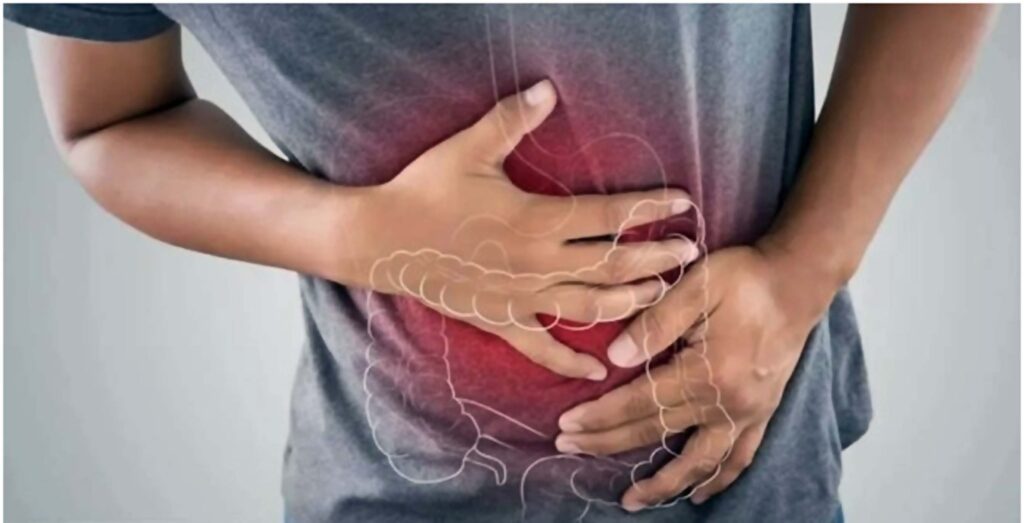
Do you often face digestive issues? (Source: Getty Images/Thinkstock)
Intrigued, we decided to learn more about it.
Ayurveda highlights the concept of ‘agni’, or digestive fire, as crucial for overall health, said Jagmohan Singh, founder, Riohills Hospitality. “Ginger and rock salt are indeed powerful allies in enhancing digestion. When agni is low, the body struggles to absorb nutrients, leading to the buildup of toxins,” explained Singh.
Gut health nutritionist Payal Kothari added ginger has anti-inflammatory properties that can soothe the digestive tract and alleviate symptoms of indigestion.
How does Ginger Help?
Rock salt, on the other hand, is a mineral-rich alternative to table salt. “It contains essential minerals like magnesium, calcium, and potassium, which support various bodily functions, including digestion. Rock salt aids in balancing electrolytes and stimulating the production of digestive juices, promoting better digestion and nutrient absorption,” said Kothari.

Does the combination work?
Experts suggest that when combined, ginger and rock salt can work synergistically to improve digestion. Consuming a combination of ginger and rock salt before meals can help strengthen digestive fire, boost metabolism, and aid in the efficient assimilation of nutrients, said Singh.
“Ginger stimulates digestive enzymes, while rock salt, rich in essential trace minerals, supports organ function and balances the body’s internal environment,” Singh told indianexpress.com.
“This combination not only prepares the digestive system but also curbs unhealthy cravings, promoting overall well-being,” added Singh.
Credit: The Indian Express
Blood tests allow 30-year estimates of women’s cardio risks: study
Team Metabolic Health
Risks for major cardiovascular events like heart attacks or strokes over 30 years were 36% higher in women with the highest levels of LDL-C and 70% higher in women with the highest levels of hsCRP, suggesting the need for universal screening for these and other markers, researchers said.
Women’s heart disease risks, and their need to start taking preventive medications should be evaluated when they are in their 30s rather than well after menopause as is now the practice, said researchers who published a study on Saturday, August 31, 2024.
Presenting the findings at the European Society of Cardiology annual meeting in London, they said the study showed, for the first time, that simple blood tests make it possible to estimate a woman’s risk of cardiovascular disease over the next three decades.
“This is good for patients first and foremost, but it is also important information for (manufacturers of) cholesterol lowering drugs, anti-inflammatory drugs, and lipoprotein(a)lowering drugs – the implications for therapy are broad,” said study leader Paul Ridker of Brigham and Women’s Hospital in Boston.
Current guidelines “suggest to physicians that women should generally not be considered for preventive therapies until their 60s and 70s. These new data… clearly demonstrate that our guidelines need to change,” Dr. Ridker said. “We must move beyond discussions of 5 or 10 year risk.”
The 27,939 participants in the long-term Women’s Health Initiative study had blood tests between 1992 and 1995 for low density lipoprotein cholesterol (LDL-C or “bad cholesterol”), which are already a part of routine care.
They also had tests for high-sensitivity C-reactive protein (hsCRP) – a marker of blood vessel inflammation – and lipoprotein(a), a genetically determined type of fat.
Compared to risks in women with the lowest levels of each marker, risks for major cardiovascular events like heart attacks or strokes over the next 30 years were 36% higher in women with the highest levels of LDL-C, 70% higher in women with the highest levels of hsCRP, and 33% higher in those with the highest levels of lipoprotein(a).
Women in whom all three markers were in the highest range were 2.6 times more likely to have a major cardiovascular event and 3.7 times more likely to have a stroke over the next three decades, according to a report of the study in The New England Journal of Medicine published to coincide with the presentation at the meeting.
“The three biomarkers are fully independent of each other and tell us about different biologic issues each individual woman faces,” Dr. Ridker said.
“The therapies we might use in response to an elevation in each biomarker are markedly different, and physicians can now specifically target the individual person’s biologic problem.”
While drugs that lower LDL-C and hsCRP are widely available – including statins and certain pills for high blood pressure and heart failure – drugs that reduce lipoprotein(a) levels are still in development by companies, including Novartis (NOVN.S ), Amgen , Eli Lilly and London-based Silence Therapeutics.
In some cases, lifestyle changes such as exercising and quitting smoking can be helpful.
Most of the women in the study were white Americans, but the findings would likely “have even greater impact among Black and Hispanic women for whom there is even a higher prevalence of undetected and untreated inflammation,” Dr. Ridker said.
“This is a global problem,” he added. “We need universal screening for hsCRP … and for lipoprotein(a), just as we already have universal screening for cholesterol.”
Credit: Reuters
AI Drug Discovery Trial Reveals Promise and Challenges of Using the Tech
Team Metabolic Health
As artificial intelligence (AI) promises to remake drug discovery, recent clinical trial results reveal its potential and challenges.
Recursion Pharmaceuticals, a self-described “clinical stage TechBio company,” recently announced results from its Phase 2 SYCAMORE trial for REC-994, a drug candidate targeting cerebral cavernous malformation (CCM), a rare brain disorder. The trial met its primary safety endpoint but showed mixed efficacy results, illustrating the complexities of translating AI-driven discoveries into clinical success.
The company’s Recursion OS platform uses machine-learning algorithms to analyze vast datasets, aiming to identify new drug candidates more efficiently than traditional methods. This approach represents a growing trend in the pharmaceutical industry to leverage AI in drug discovery. It also shows the challenges.

“While artificial intelligence excels at analyzing vast datasets, the scarcity of information on uncommon neurological conditions poses a major challenge,” Keaun Amani, CEO of Neurosnap, an AI platform used by labs, told PYMNTS. “Limited patient populations make it difficult to gather sufficient data for training accurate AI models.”
AI’s Growing Role in Drug Discovery
Progress in AI-driven drug discovery is evident. Alister Campbell, VP of science and technology at Dotmatics, told PYMNTS that since 2015, AI-native biotechnology companies and their partners have brought 75 candidates to clinical trials, with numbers growing yearly.
“AI use in drug discovery comes in many shapes and forms, from drug repurposing to predicting structures of anti-bodies and proteins using algorithms like AlphaFold, designing small molecule drugs using generative AI methods, using AI to mine vast OMIC datasets providing valuable insights into disease biology, druggable targets, and biomarkers,” Campbell said.
Jo Varshney, founder and CEO of AI drug discovery company VeriSIM Life, told PYMNTS: “Neurological conditions often lack clear, easily measurable indicators in lab tests or clinical assessments, resulting in a data scarcity that limits the effectiveness of AI systems.”
Recursion’s SYCAMORE clinical trial for CCM, which affects approximately 360,000 symptomatic individuals in the U.S. and EU, illustrates these challenges. Dr. Najat Khan, chief R&D officer at Recursion, noted “promising trends in exploratory efficacy endpoints,” particularly at the highest dose. However, the company acknowledged that “improvements in either patient or physician-reported outcomes were not yet seen at the 12 month time point.”
The trial’s outcome reflects broader industry challenges. According to Amani, “Mixed results in clinical studies reveal that while AI has great potential to revolutionize drug discovery, it still faces significant hurdles in accurately predicting drug efficacy. One major challenge is the complexity of biological systems, which AI models often struggle to fully capture.”
Navigating the Path Forward
Experts suggest various approaches to advance AI in drug discovery. Amani envisions developing more complex models capable of analyzing larger biological systems. He suggests “developing all-atom models capable of analyzing larger, more complex biological systems. These models, combined with a growing trend of blending machine learning and physics-based methods, offer the potential to simulate molecular interactions with unprecedented accuracy.”
Campbell proposes combining AI with traditional techniques to identify relevant biological targets and develop drug candidates more efficiently. He suggests a multi-pronged approach to identify clinically relevant biological targets, develop ideal candidates more quickly and cheaply, and reduce the chances of failure due to safety, efficacy and cost issues.
Accessibility of AI tools is also crucial. Amani notes that platforms like Neurosnap have streamlined the process, making it easier for scientists to use these tools. “Accessing AI-based tools for drug discovery can often be technically prohibitive to researchers,” Amani said. “Platforms like Neurosnap have greatly streamlined this process making it easier for scientists to efficiently utilize the tools they need.”
Varshney said developing more sophisticated “knowledge” or mechanistic systems that intricately incorporate detailed aspects of biology could yield more accurate and reliable predictions when integrated with AI.
Credit: www.pymnts.com