
Does eating meat raise the risk of diabetes?
Team Metabolic Health
Newspaper headlines are warning eating “a ham sandwich a day” increases a the risk of type 2 diabetes – but experts say it is not that simple.
A study of nearly two million people from 20 different countries found a link with both red and processed meats, such as steak, bacon and sausages.
While the research has been done well, the findings are nuanced and should not cause fear or panic.
It is sensible to limit intake, in line with healthy-eating guidelines, they say, but the study should not wipe meat off the menu.

Pix Credit: Getty Images
Link not proof
The research, in The Lancet Diabetes and Endocrinology journal, has an inevitable limitation – it cannot prove meat causes diabetes, because it is impossible to fully discount all the other possible risk factors, such as other foods people in the study ate and the lifestyle they led.
Dr Duane Mellor, of the British Dietetic Association, said: “The authors did try to control for other risk factors associated with increased risk of developing type 2 diabetes, including having a higher body weight, smoking, alcohol, low vegetable intake.”
There was some missing data for the effect of family history and waist circumference, which can be associated with diabetes, but the researchers say they are confident in the link that they found.
Studies such as this have to rely on participants telling the truth and accurately recalling what they eat.
Does that mean the findings should be entirely dismissed?
No – not at all. It adds to a growing picture of what foods – and how much – might be good or bad for us.
Prof Naveed Sattar, an expert in cardiometabolic medicine at the University of Glasgow, said: “This is an important study which, despite the inevitable observational nature of the evidence, is very well done.
“The data suggest cutting red and processed meats from diets may not only protect people from heart disease and stroke but also from type 2 diabetes, a disease on the rise worldwide.”
Bowel cancer
In the study, two thick slices of ham a day (50g; 1.7oz) or a small (100g) steak appeared to be a risk.
The findings around chicken and other white meat were less clear.
The NHS already advises people eating more than 90g (cooked weight) of red or processed meat a day to cut down to 70g, because experts believe eating too much processed meat can cause bowel cancer.
The International Agency for Research on Cancer puts it in the same category of risk as tobacco smoking and asbestos.
Processed meat has been modified, for taste or to extend shelf-life.
The chemicals and methods used, such as smoking, curing, or adding salt or preservatives, could be a factor.
And while meat is a good source of protein, vitamins and minerals, it sometimes also contains a lot of saturated fat, which has been linked to high blood-cholesterol levels, a risk factor for coronary heart disease.
Blood-sugar levels
Lead researcher Prof Nita Forouhi, from the University of Cambridge, said: “Our research provides the most comprehensive evidence to date of an association between eating processed meat and unprocessed red meat and a higher future risk of type 2 diabetes.
“It supports recommendations to limit the consumption of processed meat and unprocessed red meat to reduce type 2 diabetes cases in the population.”
Type 2 diabetes is high blood-sugar levels due to the body making too little of a hormone called insulin – or the insulin it makes not working properly.
Risk factors include:
- Obesity or being overweight
- High blood pressure
- Ethnicity
- Family history
Dr Mellor warned people considering cutting down on meat to ensure they still got enough vital nutrients, such as iron and vitamin B12.
“It is important when considering reducing or taking a type of food out of the diet, that any replacement foods provide the same nutrients to maintain a healthy diet overall,” he said
Good sources of vitamin B12 include:
- Milk
- Cheese
- Eggs
- Fortified yeast extracts, such as marmite
- Fortified breakfast cereals
- Fortified soya products
Credit: BBC News
Weight Loss Drugs: A New Perspective on Metabolic Activity
Team Metabolic Health
The world of weight loss medications is being reevaluated following a study led by Professor Donal O’Shea of St. Vincent’s University Hospital (SVUH) and the UCD School of Medicine. The research focused on the medication Ozempic, a drug that has been under public scrutiny for some time. The study’s findings, published in the Journal of the Obesity Society, challenge the prevailing belief that weight loss medications like Ozempic, Wegovy, or Monjaro primarily work by promoting satiety and reducing food intake.
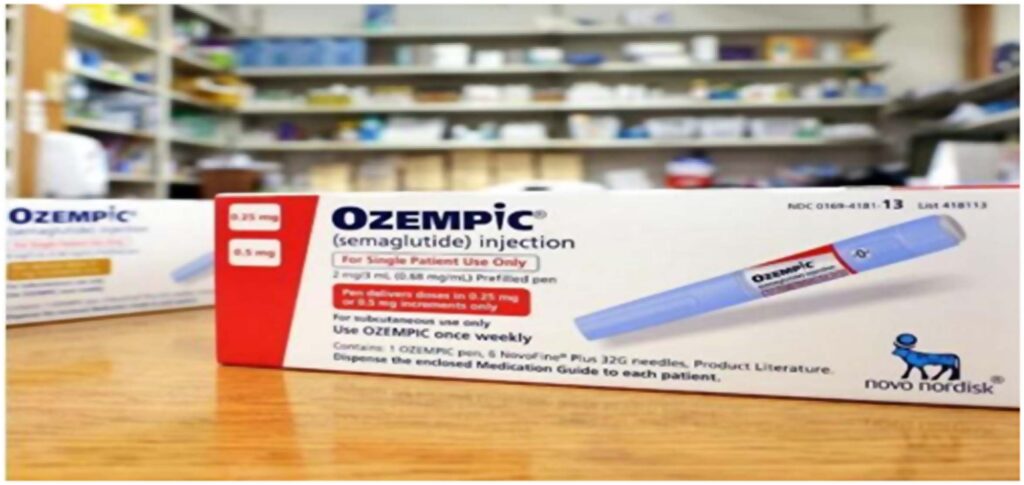
The world of weight loss medications is being reevaluated following a study led by Professor Donal O’Shea of St. Vincent’s University Hospital (SVUH) and the UCD School of Medicine. The research focused on the medication Ozempic, a drug that has been under public scrutiny for some time. The study’s findings, published in the Journal of the Obesity Society, challenge the prevailing belief that weight loss medications like Ozempic, Wegovy, or Monjaro primarily work by promoting satiety and reducing food intake.
The research involved a randomised controlled trial with 30 patients and focused on medications based on the hormone Glucagon-like peptide-1 (GLP-1). The findings reveal a strong relationship between increased metabolic activity caused by daily GLP-1 treatment and the amount of weight lost. Interestingly, individuals with lower metabolic activity before beginning treatment experienced the most significant benefits.
This study challenges the main narrative about these newer treatments, which is that they simply make you eat less and that any action on energy burn is minimal, said O’Shea. The strength of the association is surprising given the relatively small number of participants, suggesting that this increase in metabolic activity is a significant contributor to how these drugs work.
O’Shea emphasised the importance of understanding the full mechanism behind these treatments. Safe medical treatment for obesity is still in its infancy, and we need to fully understand how the treatment works. Understanding how these agents increase energy burn should be an important part of future research.
The study was co-authored by Professor Silke Ryan, SVUH, funded by the Health Research Board and supported by University College Dublin. The 30 subjects had specialised imaging of the fat within their abdomen using a PET-CT scanner, with scans carried out before and after six months of treatment.
The findings of this study are significant as they challenge the existing understanding of how these weight loss medications work. It reveals that these drugs do not just suppress appetite but also significantly increase metabolic activity, contributing to weight loss. This is especially true for individuals with lower metabolic activity before treatment.
This study also highlights the need for a more comprehensive understanding of these treatments. As O’Shea points out, safe medical treatment for obesity is still in its infancy, and there is a need to fully understand how these treatments work. This includes understanding how these agents increase energy burn, which should be an important part of future research.
The findings of this study also shed light on the uncomfortable truth about the diet industry. The industry has been long criticised for its inhumanity and the unrealistic standards it promotes, especially among people in the public eye such as actors and models. Some of these individuals have been candid about their struggles to maintain the size zero figure. This study brings to the fore the need for a more humane and realistic approach to weight loss and body image.
Credit: https://www.ibtimes.co.in/
This Popular Weight Loss Drug May Help People With Sleep Apnea, Study Finds
Team Metabolic Health
- Zepbound, a popular weight loss drug from Eli Lilly, may help people with sleep apnea.
- Based on recent findings, Eli Lilly plans to submit the material to the U.S. Food and Drug Administration to expand the use of the drug for obstructive sleep apnea.
- Sleep experts explain the findings.
Study: Weight Loss Drug May Help Sleep Apnea Towfiqu Photography – Getty Images
Medications like semaglutide (the main active ingredient in Ozempic and Wegovy) and tirzepatide (the main active ingredient in Zepbound and Mounjaro) have been rising in popularity for helping people with obesity lose a significant amount of weight. Researchers continue to find secondary benefits of going on these drugs. Now, new research on the weight loss drug Zepbound, from drugmaker Eli Lilly, finds that the medication may help those with sleep apnea, a disorder where breathing stops and restarts multiple times throughout sleep.
The U.S. Food and Drug Administration (FDA) approved Zepbound for the treatment of obesity in November 2023. Some prescribe the weekly injection off-label to those with sleep apnea, driving Eli Lilly to test the drug for obstructive sleep apnea back in June 2022. Over 400 participants were enrolled in the trial.
In their preliminary findings, researchers found that adult patients with obesity and obstructive sleep apnea treated with Zepbound for a year saw improvement in their sleep apnea compared to adults who did not receive the drug. After a year, those with moderate-to-severe obstructive sleep apnea who were taking the medication and not using PAP therapy (a machine that will pump pressurized air into a person’s airway to keep it open and prevent breathing problems while they sleep) saw a reduction of 27.4 events per hour, compared with a reduction of 4.8 events per hour in the participants who got the placebo.
Researchers then went one step further to see how the use of Zepbound may impact those who were already using the gold standard for sleep apnea treatment, PAP therapy. They found that people who used or planned to use PAP therapy and took the drug saw a slightly larger reduction in the number of events they had while they were sleeping. At 52 weeks, those who took the drug saw an average reduction of 30.4 events per hour compared with an average reduction of six events per hour in people who got a placebo.
Based on results from trials in people with sleep apnea, Eli Lilly said it plans to submit the material to the FDA to potentially expand the use of Zepbound to those with the condition. Note that the results of this study have yet to be peer-reviewed or published, but the drug maker has noted that these findings will be presented at a meeting of the American Diabetes Association in June.
Sleep apnea is a disorder where the throat closes when we fall asleep, causing difficulty breathing and lower oxygen levels, explains Abhay Sharma, M.D., sleep physician leading the University of South Florida’s ENT Sleep and Snoring Center. People with untreated sleep apnea repeatedly stop breathing during their sleep, sometimes hundreds of times during the night, and often for a minute or longer, adds Chris Allen, M.D., board-certified sleep medicine physician and sleep science advisor at Aeroflow Sleep. “This causes a significant disturbance in sleep quality and can have profound impacts on our health,” says Dr. Sharma.
Weight plays an important role in the development of sleep apnea, says Dr. Sharma. “Though it is not the only important factor, increased weight predisposes people to sleep apnea.” Therefore, it makes sense that weight loss drugs such as Zepbound may improve these factors by supercharging the weight loss process, notes Dr. Sharma.
Therefore, tirzepatide’s ability to significantly aid in weight loss can play a critical role in reducing one of the primary causes of sleep apnea. As of now, the weight loss aspect of the drug appears to be the main contributing factor in reducing sleep apnea side effects. “By mitigating one risk factor, Tirzepatide not only improves sleep quality but potentially reduces the risk of cardiovascular diseases and type 2 diabetes, which are often comorbid with obesity and sleep apnea,” explains Dr. Allen.
These findings confirm that a drug that effectively contributes to weight loss may also be used for treating sleep apnea, says Dr. Sharma. “This is substantial because it provides another option for people struggling to treat their sleep apnea because 40 to 50% of people are unable to use the gold standard for treatment of sleep apnea: CPAP.” One of these studies specifically enrolled patients who could not use CPAP and therefore provides an important addition to treatment, Dr. Sharma explains.
So can all semaglutide and tirzepatide drugs (like Ozempic, Wegovy, and Mounjaro) help with sleep apnea? Dr. Sharma says yes. “Though there could be unique effects of some of these drugs on sleep apnea, the most important reason for improvement in sleep apnea severity is the amount of weight loss,” he explains. However, the efficacy can vary based on the specific drug’s effect on weight loss, dosing, and the individual’s response to the treatment, notes Dr. Allen.
But these medications don’t come without side effects. Reports of gastroparesis (stomach paralysis), upset stomach, and more deter some patients from the medications. And, if you do not fit the drug criteria (having overweight or obesity), the drug may not be for you.
The bottom line
As access to weight loss drugs like Zepbound that activate both GIP (glucose-dependent insulinotropic polypeptide) and GLP-1 (glucagon-like peptide-1) hormone receptors increase, we will see improvements in our ability to treat sleep apnea, says Dr. Sharma. “It is important to realize these drugs will not cure all sleep apnea. Instead, they will provide an adjunct to treating patients who are unable to use CPAP.”
And, patients need to realize that stopping these drugs result in the recurrence of weight gain, and therefore, sleep apnea, notes Dr. Sharma, so “patients must be ready to start a medication that they likely need to continue indefinitely.”
If you suffer from sleep apnea, particularly if overweight or obese, consult your healthcare provider about the possibility of using GLP-1 receptor agonists like Zepbound, advises Dr. Allen. “It’s essential for patients to evaluate their overall health condition, consider their current treatment regimen, and discuss potential benefits and side effects of GLP-1 receptor agonists,” he explains.
Credit: Yahoo
Where Do You Lose Weight First? Doctors Explain The Factors At Play, Including Genetics
Team Metabolic Health
Weight loss is complex and super personal, especially for women (more on this soon), so, there is no one-size-fits-all answer to “Where do you lose weight first?” The truth is, whether the waistband of your jeans gets looser or your arms tone up faster than other areas of your body depends on a variety of factors, experts say.
First, it’s important to call out that you can’t “spot treat” specific areas of your body to lose weight from. “Trying to target certain areas for weight loss is just not feasible,” says Mir Ali, MD, a bariatric surgeon and medical director of MemorialCare Surgical Weight Loss Center at Orange Coast Medical Center. Where you hold and lose fat will largely depend on genetics, he says.
That said, it’s natural to want to drop weight in a specific area of your body. What you can do is focus on overall weight loss, says Keerthana Kesavarapu, DO, an associate professor and gastroenterologist at Rutgers Robert Wood Johnson Medical School. When you do this, you’ll naturally lose weight in those specific areas and body parts you’re hoping to change.
Here’s what experts have to say about where, exactly, you tend to trim down first—and why.
Meet the experts: Mir Ali, MD, is a bariatric surgeon and medical director of MemorialCare Surgical Weight Loss Center at Orange Coast Medical Center in Fountain Valley, CA. Keerthana Kesavarapu, DO, is an associate professor and gastroenterologist with advanced training in nutrition and obesity sciences at Rutgers Robert Wood Johnson Medical School. Dina Peralta-Reich, MD, is an obesity medicine specialist and founder of New York Weight Wellness Medicine. Romy Block, MD is an endocrinologist, member of the American Thyroid Association, and co-founder of Vous Vitamin.

Factors That Impact Where You Lose Weight First
Genetics
Your DNA plays a significant role in obesity and weight loss, says Dina Peralta-Reich, MD, an obesity medicine specialist and founder of New York Weight Wellness Medicine. “[Doctors] have pinpointed several genes that are linked to a genetic predisposition for obesity,” she says. For example, one of them is the leptin (LEP) gene, which plays a major role in appetite regulation, energy expenditure, and more, per a 2022 study published in the International journal of molecular sciences.
Your family history has a lot to do with your weight, too, since patterns of obesity often emerge among siblings, parents, and even extended family members like aunts and uncles, Dr. Peralta-Reich adds. So, if your mom tends to lose weight in her arms first, for example, you might have a similar tendency.
Age
Struggling to lose weight in a specific area of your body could also be due to age. FYI, your metabolism—the way your body converts food into energy—changes with age, per the National Institutes of Health (NIH). It tends to reach its peak early in life (around 9 to 15 months old), stays relatively stable in your 20s through 60s, and declines significantly after age 60, per a 2021 study published in Science.
Women during the perimenopausal stage of life may find it harder to lose weight due to a variety of barriers, like difficulty managing diet and activity, stress, and lack of time, according to a 2022 study of women ages 40 to 55 published in the journal Menopause. And getting older doesn’t just make you more likely to gain weight—it can also impact where you gain it. Fat tends to build up around the center of your body after age 30, according to the U.S. National Library of Medicine.
Biological Sex
“Men and women tend to lose weight differently based on the types of fat they contain and childbearing factors,” says endocrinologist Romy Block, MD. For example, women generally have more subcutaneous fat, a type of fat that deposits right underneath the skin, than men.
Additionally, men typically experience quicker weight loss than women due to the lack of comparable hormonal fluctuations, says Dr. Peralta-Reich. Unlike men, women also tend to hold weight in their butt, thighs, and hips as the body prepares for pregnancy and birth, she adds.
Generally speaking, the first place men typically lose weight is the belly, while women tend to lose weight all over, but may hold onto weight in the thighs and hips more so than men, Dr. Block says.
How do I get rid of visceral fat?
There are two distinct categories of fat: subcutaneous and visceral. Visceral fat is deep in your abdominal region and surrounds your organs, while subcutaneous fat sits just under your skin, Dr. Peralta-Reich says. Visceral fat is linked to health issues like diabetes, heart disease, and stroke, per Cleveland Clinic, but it can be harder to lose.
The best way to get rid of both types of fat is similar, though: Try to adopt a balanced, nutritious diet and exercise regularly, says Dr. Peralta-Reich. Maintaining a calorie deficit can also help you lose the weight faster, Dr. Ali adds. (Check out our guide to calculating a calorie deficit or use this tool from the National Institutes of Health to learn more.)
What’s the best way to start losing weight?
Experts agree that weight loss is a marathon, not a sprint. “Small changes [to your diet and exercise plans] can make big differences over time and impact your health and energy in a significant way,” Dr. Block says. A high-protein diet, consuming more fiber, and adopting a regular, consistent exercise routine will support your long-term weight loss goals. Approaches like mindful eating, intuitive eating, and practicing body neutrality can also help you stay confident throughout your weight loss journey.
How much weight is safe to lose at a time?
It’s generally safe for women to lose one to two pounds per week, says Dr. Peralta-Reich. People who lose weight at this pace are more likely to keep the weight off than those who lose it at a faster pace, according to the Centers for Disease Control and Prevention (CDC). But, of course, there is an asterisk here. “If a patient is heavier and has more weight to lose, it [might be] safe to lose weight at a faster pace,” Dr. Ali says. “But if they’re only looking to lose a few pounds, it may be better to lose weight at a slower pace.” Always consult your doctor, a registered dietitian, or both to determine the safest plan for you.
Credit: www.womenshealthmag.com
Childhood obesity can contribute to development of immune-related diseases: Study
Team Metabolic Health
The recent study aimed to determine whether obesity or dynamic changes in body weight were associated with the development of IMSDs.
Childhood obesity may have an impact on immune-mediated skin disorders (IMSDs), such as psoriasis, atopic dermatitis, and alopecia areata, according to a study published on Wednesday. According to a study that examined 2,161,900 Korean youngsters from 2009 to 2020, maintaining a healthy weight may help lower the risk of developing specific skin conditions. The quality of life of children with IMSDs and their families is negatively impacted, with negative effects on emotional, physical, social, and functional well-being.

Image Credit: Social
Know about the study
The research, which was published in the Journal of Investigative Dermatology, highlights how crucial it is to maintain a healthy weight and encourage good eating habits to prevent atopic dermatitis in obese children, especially those who are not yet school-age.
While several biologics have shown promise in the treatment of paediatric psoriasis and atopic dermatitis, there are still significant obstacles in the management of children with IMSDs due to a paucity of clinical trials and a shortage of treatment choices.
The prevalence of childhood obesity has increased significantly in recent years, making it an unquestionable public health emergency that has been made worse by the pandemic’s effects and countrywide lockdowns.
Uncertainty surrounds the exact mechanisms by which obesity contributes to the development of chronic inflammatory skin illnesses, such as psoriasis, atopic dermatitis, and skin cancers.
“Previously, many studies have looked at the link between childhood obesity and IMSDs. However, most of these studies only looked at data from one point in time or compared groups with and without the condition (i.e., obesity or overweight), and they had small sample sizes. Very few studies have followed children over a long period to see how their body weight affects the development of these skin conditions,” said Seong Rae Kim, Department of Dermatology, Seoul National University College of Medicine, in Korea.
“This means we still don’t know for sure whether being obese or overweight causes atopic dermatitis and psoriasis or if the opposite is true. Also, no studies have yet looked at the effect of body weight on alopecia areata or how dynamic changes in a child’s weight affect the development of common IMSDs,” Kim added.
Credit: IndiaTV With IANS Inputs
Popular weight loss drug found to reduce risk of heart complications, study shows
Team Metabolic Health
Wegovy is part of a class of drugs called GLP-1 Receptor Agonists.
Taking a weight loss drug may also help reduce the risk of heart attack, stroke and cardiac death, data shows.
Wegovy, a drug approved by the U.S. Food and Drug Administration to treat obesity, lowers the risk of heart-related issues by up to 44% in people who are overweight or obese and without diabetes, according to a study published in the New England Journal of Medicine.
The study, funded by Novo Nordisk, the maker of Wegovy, looked at over 17,000 people in 41 countries who were over the age of 45 with pre-existing heart disease.
Over a span of, on average, 34 months, the people in the study taking Wegovy not only saw their risk of cardiac complications lower but also saw lower blood pressure levels and weight loss greater than people in the placebo group.
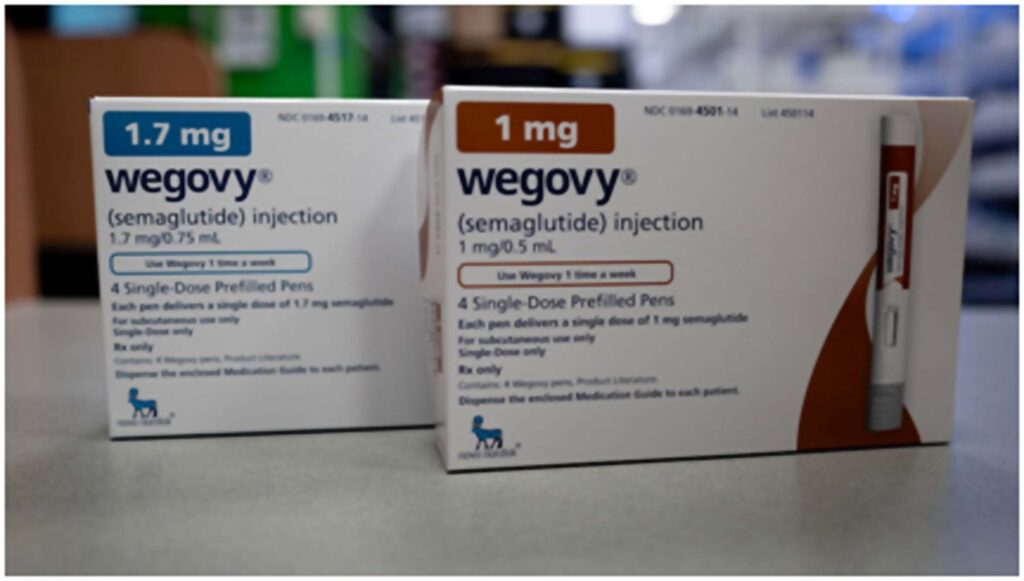
In this photo illustration, the injectable weight-loss medication Wegovy (Scott Olson/Getty Images)
Wegovy is part of a class of drugs called GLP-1 Receptor Agonists that help people increase the amount of insulin in their body to lower the amount of sugar in their blood.
Semaglutide, the drugs’ active ingredient, works by slowing down the movement of food through the stomach and curbing appetite, thereby causing weight loss.
In the study, nearly 17% of the Wegovy users had side effects including cardiac, GI and nervous system issues, serious enough to make them to drop out of the study,
Among all medications used for weight loss, the most commonly reported side effects are nausea and constipation, but irreversible gallbladder and pancreatic disease is also reported.
Credit: ABC News
Novo Nordisk plans to introduce drug for sickle cell disease in 3-5 years
Team Metabolic Health
The company announced the plan to hire about 1,300 new employees by the end of 2026 in its GBS (global business services) division
Danish-based drugmaker domestic arm Novo Nordisk told Business Standard about its plans to introduce a drug for sickle cell disease (undergoing Phase – 3 trials) in the country in the next 3-5 years depending on regulatory approvals. India aims to be sickle cell free by 2045. Moreover, the company announced the plan to hire about 1,300 new employees by the end of 2026 in its GBS (global business services) division.
Representational Image
Novo Nordisk has already rolled out 700 jobs in 2024 in India, totalling 4,200 employees. The company is further focusing on roles such as PhDs, pharmacists, commercial experts, finance professionals, IT experts, and so on.
Recently, the Government of Karnataka (GoK) signed a Memorandum of Understanding (MoU) with the Novo Nordisk Education Foundation (NNEF) by the India arm, to launch the ‘Changing Diabetes Barometer’ (CDB) programme. As part of this MoU, Community Diabetes Centres (CDCs) shall be developed in various district hospitals, sub-district hospitals, community health centres, and primary health centres across the state.
The pilot projects will be rolled out in three districts of Karnataka – Bengaluru Urban, Dakshina Karnataka, and Yadgiri. The programme aims at mapping diabetes impact on a real-time basis and promoting early diagnosis and treatment options along with lifestyle modifications.
“We are committed to upgrading our health ecosystem and healthcare services to address the unmet needs of people living with various non-communicable diseases and promote the overall well-being of all citizens. Diabetes continues to be a major health concern not just for Karnataka but for the entire nation. The Indian Council of Medical Research in its recent study highlighted that India has around 101 million people living with diabetes and another 136 million people in pre-diabetic stages,” said Dinesh Gundu Rao, minister of health and family welfare, GoK.
The partnership is focused on improving the overall diabetes care ecosystem in the state by means of several interventions: creating awareness and advocacy for NCDs like diabetes among the masses, a 360-degree upskilling and training model for doctors and healthcare workers at primary and secondary healthcare facilities, improved infrastructural support, digitisation support, and education and counselling for lifestyle modification via Information, Education and Communication (IEC) material.
Besides Karnataka, Novo Nordisk has partnered with other state governments for the launch of 12 excellence centres in Goa, Agra, Rajasthan, Maharashtra, Noida, Hyderabad, etc. Furthermore, Novo Nordisk is seeking academic collaboration with IIT and IIIT in Bengaluru, and Manipal Hospital, to name a few.
“Changing Diabetes Barometer (CDB) programme highlights NNEF’s unique ‘ACT’ approach – increasing Awareness, building Capacity, and elevating Treatment across Karnataka. Till now, we have partnered with several state governments in various capacities to develop programmes that support diabetes care under the public-private partnership (PPP) framework,” said Vikrant Shrotriya, managing trustee, Novo Nordisk Education Foundation.
“This will help bring the qualitative and quantitative aspects of this disease to the forefront within society. Considering the alarming diabetes statistics across India, we aim to support policy initiatives by various states and the Union government to benefit masses,” added Shrotriya.
India being a crucial hotspot for diabetes, Novo Nordisk is also working around a once-a-week insulin concept in the near future where one does not need to take a prick every day. Furthermore, the drugmaker is carrying out a total of 40 clinical trials in India.
Credit: Business Standard
An insight into what is Power Nap all about
Team Metabolic Health
Napping is a popular way to relieve tiredness and feel more alert. Although napping for too long can leave people feeling dazed or groggy, a well-timed power nap can effectively relieve fatigue and increase focus for up to several hours.
Tiredness from insufficient or poor sleep can affect health, safety, and the ability to function in general. A power nap can be a powerful tool for anyone who experiences sleep deprivation, including people working the night shift, travelers who cross time zones, students, and anyone who has trouble getting enough sleep.
What Is a Power Nap?
A power nap is a planned short period of sleep that can relieve tiredness and help a person feel alert again.
For a power nap to be effective, it needs to be timed so that a person wakes up when they are in the early and lighter stages of sleep Trusted SourceCenters for Disease Control and Prevention (CDC)As the nation’s health protection agency, CDC saves lives and protects people from health threats.View Source . This helps to minimize an experience called sleep inertia, which is the dazed, sluggish feeling commonly experienced after waking from a long nap.
How Long Should a Power Nap Be?
Research shows that 10- to 30-minute power naps are refreshing and can make a person feel more awake. In particular, napping for less than 20 minutes Trusted SourceNational Library of Medicine, Biotech InformationThe National Center for Biotechnology Information advances science and health by providing access to biomedical and genomic information.View Source improves alertness and functioning right away with little or no grogginess after waking up. Power naps are unlikely to interfere with nighttime sleep if taken in the early or mid-afternoon.
A longer power nap can be helpful if timed so that a person wakes up at the end of a sleep cycle, which lasts about 90 minutes. Sleep is lighter at the end of a sleep cycle, which means a 90-minute nap should only cause a brief period of sluggishness from sleep inertia.
Power Nap Benefits
- Power naps are associated with a plethora of benefits, including:
- Reduced fatigue
- Increased alertness and attention
- Improved performance and safety for shift workers
- Better memory
- Decreased reaction time Trusted SourceNational Library of Medicine, Biotech InformationThe National Center for Biotechnology Information advances science and health by providing access to biomedical and genomic information.View Source
- Boosted mood
- Improved heart health.
How to Take a Power Nap
- To take a power nap, set aside 15 to 30 minutes and set an alarm on your watch or phone to make sure you do not oversleep. Before taking a power nap, some people consume caffeine to set the stage for a coffee nap. Otherwise, prepare your environment for uninterrupted and restorative sleep:
- Make sure the room is cool
- Put electronic devices on silent mode and turn off notifications
- Lie down on a bed, mattress, or cot
- Use an eye mask or blackout shades
- Turn off or cover up the light coming from a device such as a clock or a computer
- Put in earplugs
- After a power nap, it can help to get outside in the sunshine, expose yourself to bright light, or splash water on your face if you feel any residual grogginess. A cup of caffeinated coffee can also help get rid of sleep inertia, but avoid caffeine within eight hours of bedtime.
Credit: https://www.sleepfoundation.org/
VALIANT Results Support Use of Pegcetacoplan in C3G, IC-MPGN Treatment
Team Metabolic Health
Biopharmaceutical companies Apellis and Sobi announced positive topline results from the phase 3 VALIANT study. VALIANT investigated the use of systemic pegcetacoplan in patients with C3 glomerulopathy (C3G) or primary immune complex membranoproliferative glomerulonephritis (IC-MPGN), rare and debilitating kidney diseases that can lead to kidney failure and have no approved treatments. Apellis and Sobi are codevelopers of systemic pegcetacoplan.

VALIANT was led by Carla Nester, MD, MSA, FASN. Participants comprised 124 patients aged 12 years or older with C3G and IC-MPGN. The study met its primary end point, demonstrating that treatment with pegcetacoplan resulted in a statistically significant and clinically meaningful 68% (P<.0001) reduction in proteinuria (log-transformed ratio of urine protein-to-creatinine ratio) compared with placebo at 26 weeks. Pegcetacoplan also demonstrated statistical significance on the key secondary end points of composite renal end point (a combination of proteinuria reduction and estimated glomerular filtration rate stabilization) and proteinuria reduction of at least 50% compared with baseline.
Pegcetacoplan is a targeted C3 therapy designed to regulate excessive activation of the complement cascade, a part of the body’s immune system, which can lead to the onset and progression of many serious diseases. Pegcetacoplan is approved in the United States and several other countries for the treatment of paroxysmal nocturnal hemoglobinuria.
Detailed data from VALIANT will be presented at an upcoming medical congress. All patients who completed the VALIANT study are now enrolled in the VALE long-term extension study.
Apellis, which has exclusive US commercialization rights for systemic pegcetacoplan, plans to submit a supplemental new drug application to the US Food and Drug Administration in early 2025. Meanwhile, Sobi, which has exclusive commercialization rights outside of the United States, will file a marketing application with the European Medicines Agency in 2025.
Credit: docwirenews
High Blood Pressure – the “silent killer”
Team Metabolic Health
Hypertension or high blood pressure is known as the “silent killer” because despite being one of the most common fatal conditions worldwide, most people are unaware they have the condition because it presents with very few or no symptoms.
Diagnosis is therefore often not made until the disease has progressed enough to cause symptoms, at which stage it often has life threatening outcomes such as stroke. Because of the lack of specific symptoms, adults should have their blood pressure measured every five years.
Blood pressure
Blood pressure is the pressure exerted against the walls of blood vessels as the heart pumps blood through them. An increased blood pressure means too much strain is being placed on the artery walls which can lead to complications such as a stroke, kidney damage or heart attack.
Blood pressure is measured in millimetres of mercury (mm Hg) using an instrument called a sphygmomanometer. There are two numerical figures of blood pressure – the systolic pressure and the diastolic pressure. The systolic pressure is the higher figure and indicates the pressure of the blood when the heart beats.
Diastolic pressure is the lower figure and indicates the pressure of the blood when the heart rests between two beats. A normal blood pressure level is one of around 120/80 mm Hg while a pressure over 140/90 mm Hg is considered high.
Risk factors and symptoms
The risk of hypertension is increased in people who are overweight or obese, those of African or Caribbean origin and those with a diet high in salt but low in fresh fruits and vegetables. People who do not get enough exercise, who smoke or drink too much alcohol or who are aged over 65 years are also at an increased risk. High blood pressure also runs in families.
Diagnosis and treatment
Hypertension is measured using a sphygmomanometer which may be used to regularly monitor the blood pressure level in someone who is diagnosed with the condition. There are several groups of antihypertensive medication that can be used to control blood pressure.
Over time, high blood pressure can damage organs such as the kidneys, eyes and brain and these are routinely examined for hypertension-induced damage.
Credit: news-medical.net
The Benefits of a Power Nap and How to Take the Perfect Nap – According to Science
Team Metabolic Health
Taking a power nap has many benefits for your brain, heart, stress levels, and mood. A short nap of 10 or 20 minutes in the middle of the day can do wonders for your productivity, alertness, and memory. A power nap will leave you feeling refreshed and increase your energy levels.
Far from being a sign of laziness, the most productive workers use short naps to increase their effectiveness. In fact, more and more companies allow for a midday nap because it can enhance cognitive function. So, if you feel like taking a short snooze in the afternoon, then it’s good to know that you can benefit from a 30-minute power nap.
In this article, you will find out why napping is good for you. You will also learn how long a power nap should be.
What is a Power Nap?
A power nap is a short sleep in the daytime, usually lasting between 10 and 30 minutes. Many people prefer taking a nap in the early afternoon when they naturally feel drowsy or sleepy.
Researchers from Harvard Medical School say that an afternoon nap can help deal with the body’s natural wake and sleep cycle (circadian cycle). Your body experiences a drop in wakefulness in the afternoon, and a nap is perfect to restore alertness. (1)
Scientists also say that a power nap can benefit people who don’t get enough sleep at night. Your afternoon nap can be a good way to “catch up” on lost sleep and restore alertness. In fact, the American Psychological Association says that an afternoon nap is as effective as caffeine in boosting midday alertness.
What is the Perfect Nap Length?
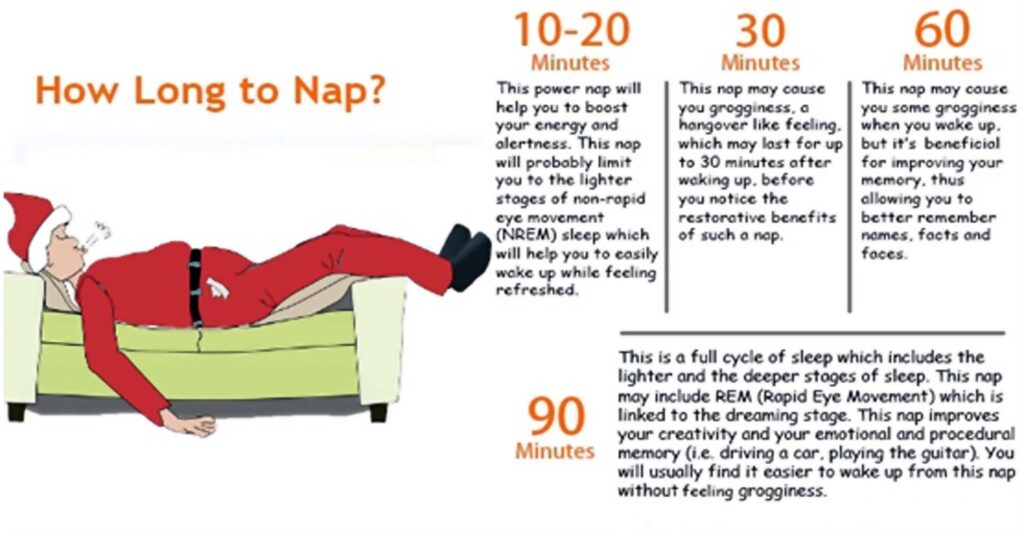
Many studies have tried to establish the perfect nap length. The Journal of Sleep Research reported that short nap length of 10 minutes can give instant benefits. Longer naps lasting 30 minutes also had many benefits that were felt later in the day. Some studies have shown that a 5-minute nap doesn’t have any cognitive benefits. However, napping for 10, 20, or 30 minutes all helped to improve alertness.
Some studies show that a 10-minute nap is the most effective length of time to nap for.
Generally speaking, a short power nap of 10-20 minutes is good for a quick improvement of your alertness and energy level and will enable you to get back to work quickly.
A nap of about 30 minutes will provide you a mental sharpness similar to the 10-20 minute nap, with that sharpness lasting a bit longer, but the downside is that people tend to feel groggy immediately after this kind of nap.
A longer nap of 60 minutes is good for your cognitive memory. It can help you remember faces, names and facts, but the downside is some grogginess upon waking.
A long nap of 90 or more can provide you a full sleep cycle which improves procedural memory (such as riding a bike or playing the piano) and creativity. Waking up after it usually has minimal amount of grogginess.
So to summarize, if you are looking for a quick boost or recharge, you are looking at a short nap length of about 10-20 minutes. However if you are looking for deeper sleep rejuvenation, you are looking at a longer nap of about 60-90 minutes.
The Benefits of a Power Nap
Let’s look in more detail how power naps can work for you to improve memory, increase learning, become more efficient and generally function better.
Power Nap Improves Alertness
One of the instant benefits of taking an afternoon power nap is that you will feel more alert.
Researchers have found that a brief power nap of between 5 and 15 minutes can make you immediately feel more alert. One study showed that the effects of a short nap can last for up to 3 hours. A longer nap of 30 minutes also helped to improve alertness with the effects lasting for many hours.
One 2019 study found that a 30-minute nap at 1:00 p.m. boosted cognitive function and restored alertness. The study also showed that an afternoon nap can help to improve physical performance and reduce fatigue.
Some studies show that napping is as effective as drinking coffee to increase alertness. However, other studies reveal that the benefits of a 15-minute nap can be enhanced by having a coffee just before your nap or washing your face.
Another study showed that taking a cup of coffee after a 15-minute nap can help make you more alert when driving.
Power Nap Improves Productivity
Enjoying a short nap in the afternoon can also help boost your productivity at work.
The journal PLoS One found that the best time to nap is between 2 p.m. and 4 p.m. which is when you may feel the sleepiest. Researchers have found that napping for 15 to 45 minutes between 12:30 and 14:00 is the most effective time to increase productivity. (8)
However, a long nap seemed to negatively impact on alertness and productivity.
One study found that napping for 30 minutes or less was good to enhance learning ability and performance.
A small study found that 20 minutes nap in the mid-afternoon had positive effects upon maintaining daytime vigilance level, and improved performance level and self-confidence of the participants in their task performance.
Power Napping Improves Memory
The benefits to your cognitive function of taking a nap after lunch can also help to boost your memory.
Studies have shown that regular napping can benefit your long-term and short-term memory.
A 2019 study published in the journal Sleep found that napping can help to improve memory function over the long-term. Taking a nap was more effective than taking a break and helped young adults retain more information when studying.
Studies have also shown that a quick nap during the day can benefit short-term memory. For example, a study involving 145 female shift workers found that those who napped had better alertness and cognitive function than the non-nappers.
Another study reported that napping after lunch benefits short-term memory, accuracy, and alertness.
Further reading: Proven Brain Foods to Boost Brain Power, Focus and Memory.
Power Naps Boost Endurance Performance
Dozing after lunch for 20 minutes or so can also improve your energy levels and increase your performance.
The European Journal of Sport Science in 2018 reported that athletes who napped for between 20 and 30 minutes performed better. Napping in the afternoon was a good way to reduce the effects of sleep deprivation.
Power Nap Promotes Good Heart Health
A meta-analysis on the effects of napping on your heart health found that a short nap can lower your risk of heart disease. The perfect length of time for a nap to promote good heart health was under 30 minutes. Interestingly, regularly napping for an hour or more during the day was associated with an increased risk of heart disease.
One of the reasons why a power nap is good for your heart is that it helps improve your circadian rhythm. This has been shown to lower stress levels and blood pressure – both of which can impact on your health.
The researchers believe that an afternoon nap may contribute to stress-releasing process, which can help reduce mortality from coronary heart disease.
A large research from the Harvard School of Public Health and the University of Athens Medical School found that midday napping reduced coronary mortality by about one third among men and women. The study found that people who regularly took naps at least three times per week for an average of at least 30 minutes, had a 37% lower coronary mortality than those not taking naps.
Find out how the cardiac diet can be good for your heart.
Power Nap May Help Control Blood Pressure
Enjoying a short siesta can also be good to manage high blood pressure.
For example, one study found that blood pressure drops during a short afternoon sleep when compared to being awake.
Other studies have shown that power napping in the afternoon can be more beneficial for your blood pressure than just relaxing while awake. (16)
Learn about other natural ways to manage hypertension naturally and prevent strokes or heart disease.
Power Nap Boosts Your Immunity
Having a power nap after lunch is also good for your health in general because it can boost your immune system.
Researchers have come to realize that getting enough sleep is necessary to strengthen your immune system. There is also evidence that a brief nap can also give your immunity a needed boost.
One study found that napping is a good way to offset some of the negative effects sleep deprivation has on your immunity. Getting a 30-minute nap helps to normalize your body’s immune response.
A power nap is one of the great hacks to quickly get your immunity working as it should. You can also learn what else you can do to prevent infection due to a weakened immune system.
Power Naps to Help Relieve Stress
A 30-minute power nap can also be good to deal better with stress and avoid the consequences of being constantly stressed.
Getting enough sleep helps your body produce hormones that are associated with lower stress levels. Taking a nap can help to normalize hormone levels if you haven’t had enough sleep.
The Journal of Clinical Endocrinology & Metabolism reported that napping has a stress-releasing effect. From various reports, it seems that the ideal nap time to relieve stress is around 30 minutes. The researchers also found that this nap length helped boost immunity and cardiovascular health. (18)
A study involving night-shift workers found that taking two 15-minute naps helped to relieve tension and calm the nerves.
Other studies have found that short naps are good for helping to reduce psychological and physiological strain.
Learn more about why getting an afternoon nap is just one of the effective remedies for dealing with anxiety and stress.
Power Nap Could Help Improve Depression and Boost Mood
Having a short sleep in the afternoon can be one of the ways to improve your mood and manage depression.
One trial involving people with depression found that napping after a sleepless night was beneficial. The patients napped for 10 minutes during the day and researchers noted they had fewer symptoms of depression after the nap.
Another study found that a power nap has many benefits for people with depression. The study found that napping between 2 p.m. and 3:30 p.m. helped to improve the general well-being of depressed people.
Taking a nap in the afternoon can also boost the mood of people who don’t have depression. One small study found that a short 20-minute nap helped to boost mood and have a positive effect on cognitive function.
For more ways to deal with mild depression naturally, please read this article on natural remedies for anxiety and depression. You may also find that serotonin supplements can help if you suffer from depression.
Power Napping Increases Testosterone in Men
A power nap after lunch can be good for male sexual health because it boosts testosterone levels.
Studies into the effects of hormone production during sleep have found that levels of testosterone increase while sleeping. This is one reason why men who regularly nap seem to have higher testosterone levels in the afternoon.
Tips for the Perfect Nap
Power naps can really help to improve your mood, alertness, learning ability, and general well-being.
What can you do to enjoy the perfect power nap? And when is the best time to go for a nap?
Most studies show that your body naturally becomes drowsier in the 2 or 3 hours after lunch. So, generally, power naps are best enjoyed in the early afternoon or not long after eating lunch.
Most of us feel tired between 1 and 4 pm, so try to fit your nap during those hours. Don’t make it later otherwise it can interfere with your ability to fall asleep at bedtime.
Here are some ways to enjoy the perfect nap:
Don’t nap too long. A power nap is never meant to be too long. Usually, napping between 10 and 30 minutes is the ideal length of time for a nap. If you nap too long, you may feel drowsy for the rest of the day.
When taking shorter naps, it is recommended to sleep partially upright to make it easier to wake up and to avoid falling into a deeper sleep.
Create the right environment. You will fall asleep for a short nap easier if you are in a dark place that isn’t too warm.
Time your caffeine right. Some power nappers find that taking a cup of coffee right before napping is effective. Studies have shown that this helps you to wake up more alert after your power nap.
Try relaxing beverages. You can avoid the stimulating effect of caffeine by taking a relaxing herbal tea before or after your power nap.
Have a light snack. Did you know that there are some foods that make you sleepy? Take a glass of warm milk or eat a banana to help you fall asleep faster.
Remove distractions. Make sure that you won’t be distracted during your 10, 20, or 30-minute power nap. So, put your phone on a flight mode if using it as an alarm clock.
Try the 4-7-8 exercise to fall asleep. Learn more here about this exercise that will help you fall asleep in no time at all.
Try to nap at a regular time. If your schedule allows for it, try to schedule a power nap for the same time every day. This way you teach your body to expect the nap and you may find it easier to fall asleep.
Credit: https://www.healthyandnaturalworld.com/
The ‘best way to hydrate’—and 6 other foods, drinks to reach for as temperatures rise
Team Metabolic Health
Staying hydrated during the summer season has always been important but it’s even more vital as temperatures rise to record highs.
To keep your electrolytes at a normal level, there are seven elements that should be included in the foods and drinks you consume, in moderation, according to Cleveland Clinic:
- Magnesium
- Sodium
- Calcium
- Potassium
- Phosphate
- Chloride
- Bicarbonate

Pix Credit: Getty Images
Drinking water is “the best way for us to hydrate,” says Nicole Antes, a registered dietitian nutritionist, but when water is filtered, it can lose some of its healthy minerals. Antes recommends adding trace mineral drops that include minerals like sodium, potassium and magnesium to increase the benefits you get from drinking water. You can also buy mineralized water for those same perks.
And if you’re looking for other beverages, or foods, to stay hydrated, Antes has a list you can reference.
6 drinks and foods to keep you hydrated
Reach for foods that are naturally rich in minerals, Antes tells Make It. Six of the best beverages and foods that she recommends are:
Coconut water: Coconut water is “naturally high in potassium.” One disclaimer that Antes has is to “be mindful [of] where you’re sourcing your coconut water from, because these days a lot of them have added sugar or different kinds of flavorings.”
Aloe vera juice: While it’s not “probably not as popular, [aloe vera juice] is a great mineral-rich beverage,” high in vitamin C, she says, “It’s typically pretty low in sugar.” Though, it’s also important to pay attention to the added sugar content.
Dark leafy greens: Leafy greens have high water content, especially lettuce which is more than 90% water, according to WebMD.com. But green leafy vegetables are also nutrient-dense with B vitamins and fiber, which can be helpful for your overall health.
Celery: Celery is about 95% water and is rich in magnesium, potassium and phosphorus.
Cucumber: A cucumber is around 95% water and contains a substantial amount of phosphorus, potassium, and magnesium, as well as vitamins B and C.
Citrus fruits: Fruits like lemons and limes “are really high in natural electrolytes,” Antes says.
Recently, variations of drinks that are low in sugar and rich in natural electrolytes are gaining popularity. People have taken to calling them Nature’s Gatorade.
Antes’ take on the phenomenon is one of her favorite mocktails for hydration and it includes just three ingredients:
8 ounces of coconut water
An eighth or a fourth of a teaspoon of Celtic or pink Himalayan salt
A squeeze of a lemon or lime
“It’s a great way to get all the electrolytes, have a fun drink and then not have to worry about added sugar, dyes [and] things like that,” Antes says. “You can also do it using water, a little bit of orange juice and then a pinch of salt as well.”
Credit:
‘Socially accepted poison’: Doctor says no amount of alcohol is actually harmless for your liver
Team Metabolic Health
Is little amount of alcohol healthy for liver health? Dr Shiv Kumar Sarin busted the myths.
Alcohol has the reputation of harming the liver and causing serious illness. However, how much truth is in it? In an interview with ANI, Insta-popular gastroenterologist Dr Shiv Kumar Sarin explained why alcohol is the socially accepted poison. The doctor set his opinion straight away in the initial part of the question – no amount of alcohol is safe for the liver. He added that when we drink alcohol, we directly harm the liver and make it susceptible to diseases.

The doctor set his opinion straight away in the initial part of the question – no amount of alcohol is safe for the liver. (HT FIle/ Representational Image)
But what about other doctors saying that a small amount of alcohol is healthy?
Dr Shiv Kumar Sarin laughed it off and said that we may always find doctors who say that a little amount of alcohol is fine, but that’s not true. He quoted the World Health Organisation and mentioned that the WHO says – no alcohol, in any amount, is harmless.
How does alcohol affect the liver?
Dr Shiv Kumar Sarin explained that unlike the other foods which when consumed get absorbed by the intestine, alcohol gets absorbed by the stomach instead. This makes the alcohol faster to be absorbed by the liver. Hence, alcohol can have a direct impact on the liver health.
What happens when we consume fatty foods with alcohol?
Dr Shiv Kumar Sarin addressed a common notion that states that when we consume alcohol with fatty foods, it balances the harm caused to the body. However, according to the doctor, fatty foods can also deposit fat in the liver, while alcohol causes serious liver damage. Hence, consuming fats with alcohol simultaneously is more harmful.
Does fat and alcohol affect liver in different ways?
Dr Shiv Kumar sarin said that in one gram of sugar, there are four calories, while in alcohol there are seven calories per gram – which is almost double of sugar. Hence, consuming them together is lethal for the body, and most importantly, for liver health.
Disclaimer: This article is for informational purposes only and not a substitute for professional medical advice. Always seek the advice of your doctor with any questions about a medical condition.
Credit: Hindustan Times
Eli Lilly’s weight loss drug slashes the risk of developing diabetes in long-term trial
Team Metabolic Health
Eli Lilly’s weight loss drug reduced the risk of developing Type 2 diabetes by 94% in obese or overweight adults with pre-diabetes compared to a placebo, according to initial results from a long-term study.
The late-stage trial on tirzepatide also found that patients experienced sustained weight loss over the roughly three-year treatment period.
Tirzepatide is the active ingredient in the company’s highly popular weight loss injection Zepbound and diabetes drug Mounjaro.
Eli Lilly’s highly popular weight loss drug reduced the risk of developing Type 2 diabetes by 94% in obese or overweight adults with prediabetes compared with a placebo, according to initial results from a long-term study released Tuesday.
The late-stage trial on tirzepatide, the active ingredient in the company’s weight loss injection Zepbound and diabetes drug Mounjaro, also found that patients experienced sustained weight loss over the roughly three-year treatment period. Adults on the highest weekly dose of the drug saw a 22.9% decrease in body weight on average after 176 weeks, compared with 2.1% for those who received a placebo.

The results suggest that Eli Lilly’s treatment could meaningfully delay a potential diagnosis for people with prediabetes, or those with blood sugar levels that are higher than normal but not high enough to be classified as Type 2 diabetes.
More than 1 in 3 Americans have prediabetes, according to the latest government data, which health experts say can be reversed with lifestyle changes such as diet and exercise. People who are overweight or have obesity are at a higher risk for prediabetes.
The new data also shows the potential long-term health benefits of taking a buzzy class of obesity and diabetes medications called GLP-1s, which mimic hormones produced in the gut to tamp down appetite and regulate blood sugar. As Eli Lilly’s Zepbound and Mounjaro and injections from rival Novo Nordisk have skyrocketed in popularity over the last two years, the companies have raced to study other clinical uses for their drugs.
The results are “another reminder of the huge investment which Lilly has made to prove not only do you lose weight but when you do on this medicine, it converts to health benefits. This is our fourth study this year that does such a thing,” Eli Lilly CEO David Ricks told CNBC in an interview, adding that tirzepatide has shown promise as a treatment for heart failure, sleep apnea and fatty liver disease in three other clinical trials.
Eli Lilly tested tirzepatide in more than 1,000 adults over 176 weeks in the phase three trial, followed by a 17-week period where patients stopped treatment. It is the longest completed study on the drug to date, according to the company.
The drugmaker will submit the latest results to a peer-reviewed journal and present them at an upcoming medical conference in November. Eli Lilly published 72-week weight loss results on a larger group of patients from the same trial, called SUMOUNT-1, back in 2022.
Patients in the trial who stopped taking tirzepatide during the 17 weeks began to regain weight and saw an increase in progression to diabetes. But those participants still had an 88% lower risk of developing diabetes compared with a placebo, according to the latest phase three results.
“On the drug, we can keep healthy body weight down for three years and ward off diabetes,” Ricks told CNBC. “When you come of the drug, a percentage of people do begin to gain weight and then…begin the advance again toward diabetes.”
Still, Ricks noted that patients don’t “snap all the way back as if they were never on the drug.”
The safety data on tirzepatide during the trial was consistent with previous studies on the drug, according to Eli Lilly. The most common side effects were gastrointestinal, such as diarrhea, nausea, constipation and vomiting, and were generally mild to moderate in severity.
Eli Lilly’s Zepbound works by imitating two naturally produced gut hormones called GLP-1 and GIP.
GLP helps reduce food intake and appetite. GIP, which also suppresses appetite, may also improve how the body breaks down sugar and fat.
Credit: CNBC
Drugs Like Ozempic, Wegovy, Zepbound And Mounjaro Could Treat Other Conditions—Here’s What Scientists Are Looking At
Team Metabolic Health
Weight loss and diabetes may just be the beginning for drugs like Ozempic, Wegovy, Mounjaro and Zepbound as reports increasingly suggest they may have far-reaching benefits for treating conditions as diverse as heart disease, liver disease, Parkinson’s, sleep apnea and addiction, sparking research among firms competing in pharma’s latest gold rush.
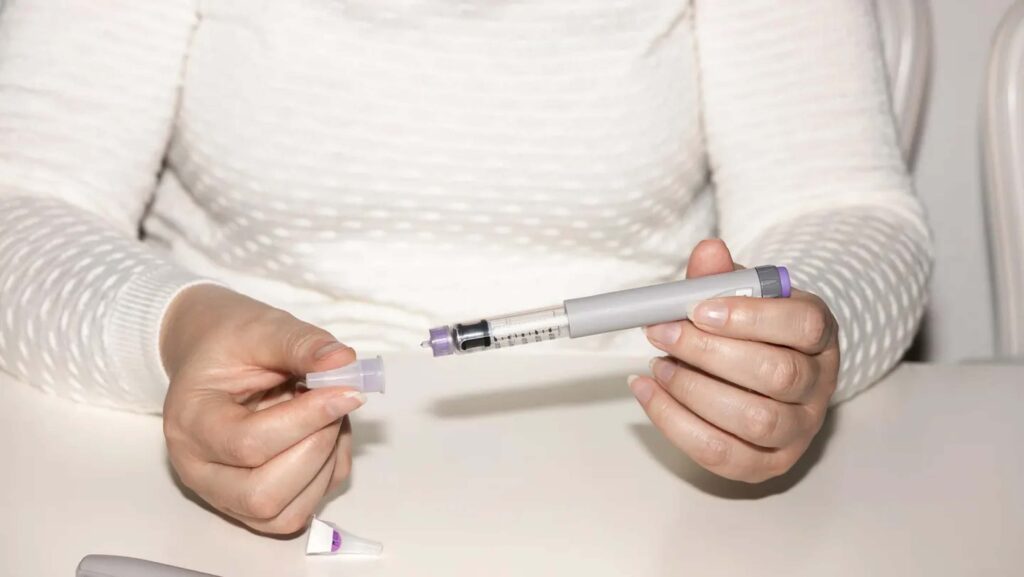
GLP-1 drugs are being investigated for a range of other health conditions including addiction, liver disease and Parkinson’s. (Pix Credit: Getty)
Key Facts
Novo Nordisk’s Ozempic and Wegovy and Eli Lilly’s Mounjaro and Zepbound — brand names for drugs semaglutide and tirzepatide — are far and away the most famous members of a booming class of medications known as GLP-1 agonists, which mimic the function of a gut hormone involved in regulating blood sugar and appetite, glucagon-like peptide-1.
GLP-1 drugs were initially approved to treat diabetes and, more recently, obesity, and with more and more people using the drugs, signs of other potential benefits are starting to emerge and Novo gathered enough data to prove this and scored approval from the Food and Drug Administration in March to add cardiovascular benefits to Wegovy’s label (experts expect Zepbound will be shown to have similar heart benefits), with research showing semaglutide could slash the risk of heart problems like heart attack and stroke by 20%, regardless of weight lost.
Lilly is also eying a label expansion for Zepbound after a late-stage trial found that the drug “meaningfully improved sleep apnea symptoms,” and if approved the drug would become the first pharmaceutical treatment for the underlying causes of the condition, rather than treating symptoms.
Companies like Novo and Lilly, as well as hopeful competitors like Boehringer and Zealand Pharma, are exploring GLP-1 drugs as a potential treatment for fatty liver disease, a longstanding graveyard for pharmaceutical development until the FDA authorized the first treatment, and other research, as trials suggest GLP-1s could be effective at treating kidney disease.
Studies also indicate the GLP-1 class could also lower the risk of developing an array of different cancers and possibly help with a range of brain disorders too, where they potentially help boost mood, cognitive function and alleviate symptoms for conditions including Parkinson’s, Alzheimers, dementia, depression, bipolar disorder and anxiety, areas that have long been notorious sticking points for pharmaceutical development.
Substance use disorders and addiction is another promising avenue following reports of diminished cravings among people taking GLP-1 drugs, though scientists are still working to figure out why — the drug could feasibly act on parts of the brain and nervous system as these also produce the GLP-1 hormone or have relevant hormone receptors for it — and confirm whether the medications can indeed curb addiction.
Have Weight Loss Injections Been Linked To Any New Side Effects?
While the clinical trials required to bring a drug to market are extensive, rigorous and ensure products are safe and effective, they rarely provide a complete picture of a medication. The sheer number of people who take a drug after approval, especially popular ones like semaglutide and tirzepatide, can dwarf the number of people involved in a trial and companies and regulators alike monitor how they fare in the real world. While it is exciting when reports and data gathered from more people using drugs indicate new possible benefits and uses, especially in areas like mental health and liver disease that have long evaded the efforts of pharmaceutical researchers, there is also the possibility that new information on negative effects can emerge as well. For weight loss and diabetes drugs like Ozempic and Wegovy, mental health issues and an uptick in suicidal thoughts have been the subject of significant scrutiny, though recently-released reviews from agencies like the FDA and the European Medicines Agency have cast doubt on the connection and said such a link is unlikely. Other research has indicated GLP-1 drugs could reduce bone density and suggested Ozempic and Wegovy could increase the risk of developing a rare form of blindness, though Novo have criticized the study as lacking sufficient data to establish a link. Medicines regulators have also begun changing guidance included on a drug’s label as more becomes known, including new warnings for patients undergoing surgery and anesthesia as the drugs can boost the risk of aspiration (inhaling something other than air) as material rises up from the stomach during the operation. There is also ongoing debate whether GLP-1s can raise the risks of developing certain types of cancer, notably thyroid cancers, though the matter is far from settled.
Big Number
$100 billion. That’s how much the weight loss drug market could be worth by 2030, analysts estimate, though some believe the market could possibly be worth much, much more than that. Novo and Lilly have already raked in billions from the drugs for obesity and diabetes and they have ballooned into some of the most valuable companies in the world off the back of these drugs, despite their inability to meet demand and persistent shortages.
Crucial Quote
Novo and Lilly hold an effective duopoly over the GLP-1 market right now, particularly regarding obesity. Experts like Citi analyst Peter Verdult told Forbes the wealth of data the pair are able to gather on semaglutide and tirzepatide will help them solidify their dominant positions and see off competitors still racing to bring drugs to market. Adding things like cardiovascular benefits to Wegovy’s label will raise the bar for new entrants to compete, especially as there’s a clear limit to the advantages brought by improving something like the amount of weight loss as research indicates Zepbound has done with Wegovy. “Now some may say, well that’s fine, I’ll just piggyback on it, because it’s the same molecules, same mechanism of action and everyone takes it for granted. But the bottom line is if you’re a drug rep, you can’t promote that,” Verdult said.
Credit: Forbes